

Kids Scooter
At the core of our Mountain Bike lies its innovative aluminum alloy internal cable routing frame.
Shanxi Daodebao International Import and Export Trading Co., Ltd. is a bicycles manufacturer and trader integrating design, R&D, and sales. We provide efficient, professional, and safe OEM/ODM services. Our products include bikes, tricycles, electric scooters, kids' toys, kids' products, pet supplies, and outdoor products.
Wide Range of Applications
The product is suitable for various purposes such as urban transportation, daily commuting, sports and fitness, off-road cycling, mountain crossing, leisure and entertainment, competitive competitions, tourism and sightseeing.
Broad Market
Our business currently covers more than 80 countries in Europe, America, Asia, the United States, Canada, Russia, India, the United Kingdom, South Korea, Japan, Brazil, etc.
Professional Advanced Equipment
We have the most advanced production lines in the country, precision processing workshops, assembly workshops, and complete testing equipment. We have our own welding frame workshop, waterline paint workshop, automatic weaving spoke workshop, and assembly workshop.
Rich Experience
Shanxi Daodebao International Import and Export Trading Co., Ltd. With 20 years of domestic and export sales experience, we have rich experience and understanding of the industry.
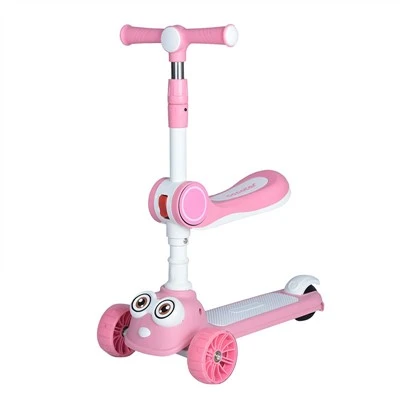


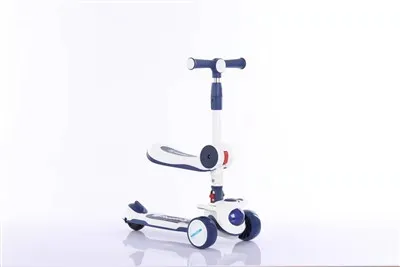


Scooters for children are a fun and safe means of transportation that introduce the youngest ones to the world of movement. Safe and tailored to the needs of the youngest users, scooters teach motor coordination, balance, and foster motor skills development. Equipped with durable materials and secure handles, they ensure safe and joyful rides for the youngest riders. This is an excellent way to promote a healthy lifestyle and physical activity from an early age.
What are Advantages of Kids Scooter?
Developing a sense of balance is a core component of child development, which is why kids scooters are great ride on toys. Scooting requires youngsters to stand upright and balance on one leg whilst using the other to propel themselves forward.
Little riders develop their motor skills as they learn to use their feet to balance and scoot; one foot kicks to get moving while the other balances. They also use their hands on the handlebar to balance the scooter. Mastering gross and fine motor skills allow kids to be more independent with everyday life tasks, too.
Core muscle strength is needed in order for youngsters to balance and stay upright. Each time they scoot, children develop their muscles - when they push off from a dead stop their ankles, calves, hamstrings and glutes are engaged the faster they move, for example.
The heart is a muscle that grows stronger the more it is used. As kids scoot faster and faster, their hearts need to pump more blood around. As they’re having so much fun, it won’t even feel like exercise.
Riding scooters requires critical thinking and decision-making skills; little ones have to make choices on the spot such as when to stop, when to slow down, when to turn, and how to lean to steer without tipping over.
Once children have mastered the knack of using their scooter, they can zoom about with their other scooter-mad pals. Scootering can boost kids’ happiness as they form long-lasting friendships with like-minded peers.
What are Features of Kids Scooter?
Grow with The Kid
A height-adjustable steering column allows a scooter to grow with the child, and a wide-ranging weight limit allows riding for many years.
Hold Up Over Time
Strong, nonbreakable decks and sturdy rust-resistant materials help a scooter endure the hard wear that a kid will give it and last through multiple kids. It should ideally be easy to replace parts when they wear down.
Provide a Smooth, Stable Ride
Larger, 120 mm or 125 mm polyurethane wheels help riders glide over bumps and cracks in the road or sidewalk, while 98 mm wheels, or those made of plastic, will give a rougher ride. Larger wheels also help you go faster. Stability is enhanced by wider handlebars—keeping arms farther apart helps with balance—and wide decks, especially for new riders.
Be Easy to Operate
Handlebars should be easy to turn, if required, and brakes should be easy to apply to slow down on hills. A lighter scooter can be easier for a toddler to use, since a pound can make a difference for a younger kid still figuring out how to steer. (And an older kid may find a lighter model less of a literal drag.)
Have a Simple Setup
Assembly for some models might be as minimal as inserting the T-bar into the deck, while others may require you to put many parts together with tools. Whatever is required, the directions should be clear, and the assembly straightforward.
Safety Features
Handlebar Grips
The handlebar grips should be made of non-slip material to provide a firm grip, even if your child's hands get sweaty.
Brakes
The scooter should have a reliable braking system to ensure that your child can stop quickly and safely when needed. Some scooters come with a hand brake, while others have a foot brake.
Weight Limit
Make sure that the scooter you choose has a weight limit that is appropriate for your child. If your child is too heavy for the scooter, it may be unstable and unsafe to ride.
Wheels
The size and material of the wheels can affect the stability and speed of the scooter. Look for scooters with large, sturdy wheels made of high-quality material.
Adjustable Handlebars
Adjustable handlebars allow you to customize the height of the scooter to fit your child's size. This can help improve their balance and control while riding.
Reflectors
Reflectors are an important safety feature, especially if your child will be riding their scooter in low-light conditions. Look for scooters that have reflective stickers or lights on the front and back.
Common Types of Kids Scooter

Multi-Function Scooters (12 Months and Up)
Multi-function scooters are a great option for parents who want a product that will grow with their child and last for years. These scooters start as a ride-on toy and can be switched later to become a 3-wheel scooter. The seat can also be removed and the handlebars adjusted to different heights to accommodate your child as they grow.
This type of scooter is ideal for kids aged 12 months or more (depending on their size).
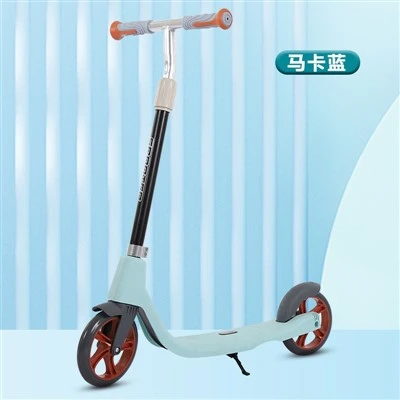
3-Wheel Scooters (3 Years and Up)
When it comes to balance, 3-wheel models are easier to ride than classic scooters, making them a safer choice for toddlers. These scooters have two main steering methods: turn to steer or lean to steer (some models may even have both). Both methods will help kids to develop the balance and coordination that they'll need to ride a two-wheel/in-line scooter in the future.
This type of scooter is ideal for kids aged three years old or more.
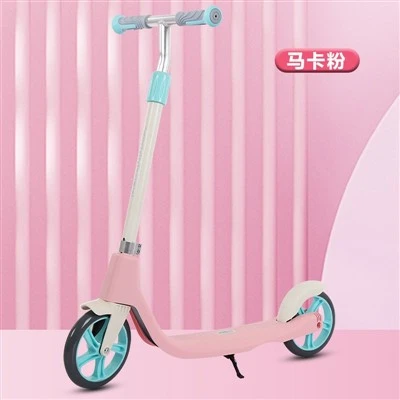
2-Wheel/Inline Scooters (5 Years and Up)
2-wheel scooters, otherwise known as inline scooters, roll faster than 3-wheel models and this makes them a great option for the school run or a family trip to the park. They'll also help kids to fine-tune their balance and coordination skills, which will stand them in good stead for the future.
Because 2-wheel scooters require higher motor skills to ride, this type of scooter is ideal for kids aged 5 years and more.
Clean Regularly
Dirt and debris can cause wear and tear on scooter components. Clean your scooter regularly with a gentle cloth or brush. Focus on removing mud, dust, and grime from the wheels, bearings, and deck. Avoid using harsh chemicals that could damage the scooter's surface.After each cleaning, you can apply a small amount of engine oil to the wheel bearings of the scooter.
Check and Tighten Bolts
Inspect the scooter for loose or missing bolts, especially around the handlebars, wheels, and brake components. Tighten any loose bolts using the appropriate tools. This prevents parts from coming loose during rides, ensuring safety.
Maintain Proper Tire Pressure(Inflatable Wheels Only)
Keep an eye on tire pressure to ensure a smooth and safe ride. Underinflated tires can make scooting more challenging and may cause damage to the wheels. Use a pressure gauge to maintain the recommended tire pressure specified by the manufacturer.
Follow Manufacturer Guidelines
Always refer to the manufacturer's manual for specific maintenance instructions and guidelines. Different scooter models may have unique maintenance requirements, and following the manufacturer's recommendations can help prolong its lifespan.
Lubricate Moving Parts
Apply lubricant to moving parts such as wheel bearings, folding mechanisms, and the brake. This reduces friction, allowing the scooter to operate smoothly. Be sure to use lubricants recommended for the specific parts to avoid damage.
Inspect Brake Functionality
Regularly check the brake system for wear and tear. Ensure that the brake pads have sufficient thickness and that they make proper contact with the wheel. Adjust or replace brake components as needed to maintain optimal braking performance. Try to use your scooter on a flat surface to prevent damage to the wheels and brake pads.
Store Properly
When not in use, store the scooter in a dry and safe place. Exposure to moisture or extreme temperatures can degrade the scooter's components. Consider covering it or storing it indoors to protect it from the elements.
Perform Periodic Maintenance Checks
Schedule routine inspections to assess the overall condition of the scooter. Look for signs of damage, excessive wear, or any potential safety hazards. Address any issues promptly to prevent further damage.
Wheel Configuration and Size
While hard wheels are more durable than their soft counterparts, they will provide less comfort for your child. Remember, not all scooters come with in-line wheels but have triangular wheels.
You can also consider wheel size and wheel type if you want to go more in-depth while buying the scooter. Standard scooter wheels have a 110 mm diameter and polyurethane threads wrapped around a core.
A smaller wheel will generally be slower but lighter and keep the deck closer to the ground. It can help with stability.
However, a big scooter wheel (120 to 125 mm) will be quicker and raise the deck further from the ground. It will also be smoother for most of the ride.
Some 3 wheeled models and micro scooters come with scooter wheels that glow and have LED lights inside the wheels. It might be a great feature for little ones.
Deck
It’s crucial to pay attention to the platform or deck your child will place the feet on. Check whether the deck is wide enough to help your child stand comfortably on the scooter.
Also, some decks come with stickers that might make them slippery. Always select a scooter with wide decks that are easy to stand on.
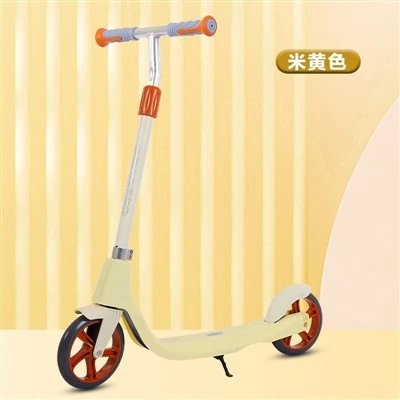
Adjustable Handlebars
For optimal control, make sure the scooter’s handlebars should not exceed the waist. Adjustable scooters with a T-bar that slides up and down may be the best option.
This feature allows sharing the scooter with another sibling or friend. It is a good option for younger children, particularly those aged 2-5 years old. You will need to replace it once your child has grown out of it.
Child’s Age
Many specifically designed kids’ scooters are available to make glide easy and safe. The three-wheeler scooters for kids are the most stable. They are specially made for children between 2 and 4 years old.
If your child is experienced at balance, you might consider a two-wheeled scooter. For children between 6 to 12 years of age, it’s a good idea to buy a scooter designed for regular use.
Foldable Scooters
There are many great folding scooter options available. It is worth considering if you plan to take the scooter on your next trip. Some children become attached to their scooters and want them to go everywhere.
Some scooters can fold down easily with a click of a button. Other designs allow the T-bar to be removed and stored as a 2-piece. However, most 3 wheel scooters do not have a fold-down feature.
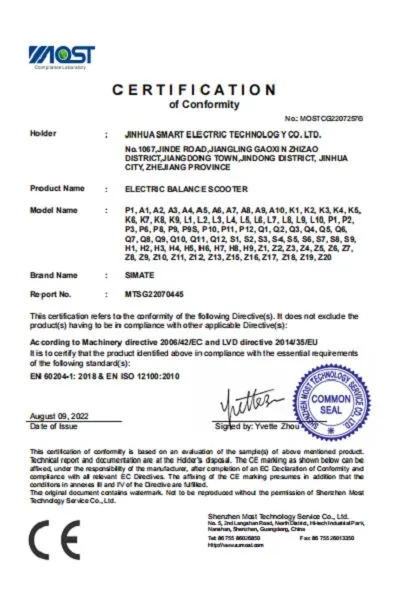
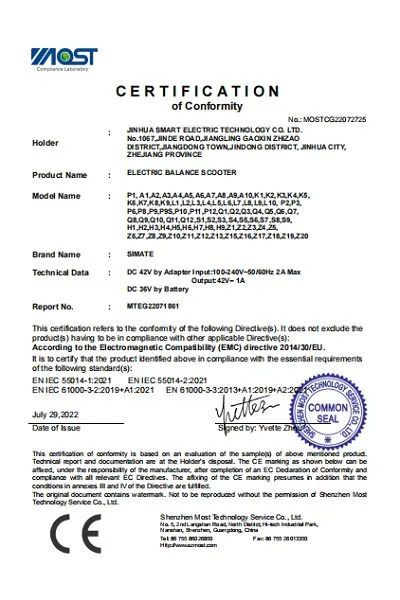
Our Certificate

Our Service
Before Sales
A professional sales team communicates with you to understand your needs and customize corresponding solutions and technologies. We understand market trends to help you better understand product information.
During Sales
During the production process, we ensure the quality of each product, report back to you at any time, and grasp every key step until the product is delivered.
After Sales
The company's products have a warranty period. If you have any questions or concerns, please feel free to contact us and we will reply and resolve them as soon as possible.
Our Factory
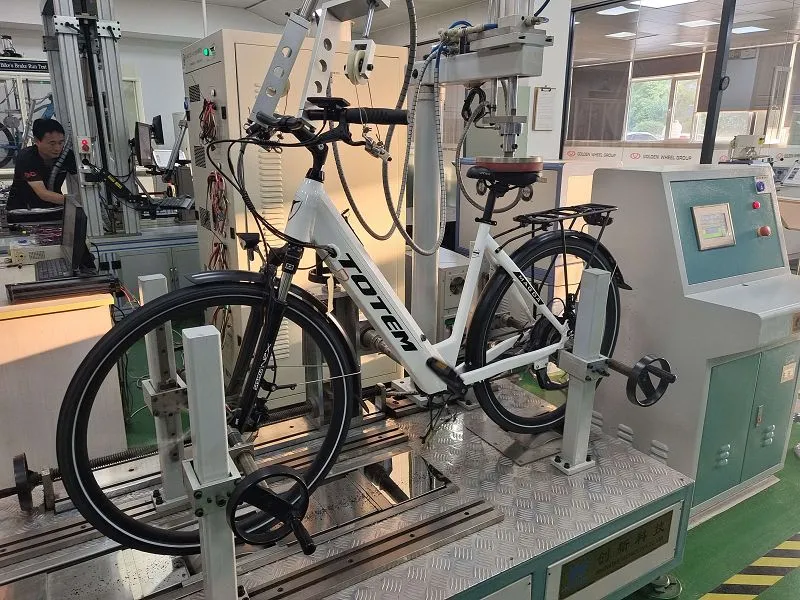
Daodebao Co., Ltd. is a mature factory with an area of 20000 square meters. With 500 employees, the company has the most advanced production line, precision machining workshop, assembly workshop, and complete testing equipment, providing customers with quality assurance and thoughtful service.


Contact Us
Email: daodebao666@aliyun.com
Email: daodebao888@aliyun.com
Frequently Asked Questions
Q: What are the common accessories for Kids Scooter?
Once you've tracked down the perfect scooter for your child, it's time to think about safety accessories. We'd always recommend that kids wear helmets when riding a scooter and skate-style helmets in particular. The hardwearing shell exterior of skate-style helmets provides greater coverage around the back of the head, while adjustable pads and fit systems provide a perfect fit.
Protective pads
Protective pads will help to keep little knees and elbows safe from any bumps or scratches. For younger riders, we have fun, character designs and for older riders we've got more robust knee/elbow pads with wrist guards.
Scooter carry straps
If the scooter you've chosen doesn't come with a built-in carry strap, then it can be a great idea to invest in one. This means you can easily transport your little one's scooter if their legs need a well-deserved rest or you've dropped them off at school.
Q: Can Kids Ride Electric Scooters?
Any children using electronic means of transport should always be wearing the relevant protective items. A Helmet and a triple pad set is super important when it comes to the safety of your child. We always recommend adult supervision when using an E-Scooter, Hoverboard, Electric Skateboard or any other means of motorised transport.
Q: Are Scooters Safe For Kids?
Triple Pad Sets provide perfect protection for beginners to learn bails and avoid injury. Helmets are of paramount importance in any extreme sport or activity. A great way to start off on the right foot is to locate any local skate park or class in your area. There is nothing better than learning the ropes from professionals or those who have perfected their art.
Q: What features should you consider with a Kids Scooter?
One thing that you should consider is the ABEC rating. This is the standard defining the scooter's bearings. The lower the rating, the slower the scooter will be. It's a good idea to go for a lower number when purchasing your child's first scooter. An ABEC 1 scooter, for instance, should be great for helping your child find their balance on their scooter without any emphasis on building speed.
Wheels
There are also crucial differences between the wheels and wheel configurations of different kids' scooters. Hard wheels should be more durable than their softer counterparts, but they're also likely to be less comfortable. Remember that some scooters have in-line wheels or are arranged in a triangle shape.
Deck
The deck of a scooter - the 'platform' on which your child places their feet is also worth considering. The width of a scooter deck varies from one model to the next, so you should consider whether your child will find it easier to stay on their scooter when the deck is broader.
Headset
The headset, meanwhile, is the part of the scooter that allows the user to steer. Even braking systems aren't always the same across different models. So pay close attention to the design when comparing various kids' scooters for sale.
Q: What Is a Kids' Scooter?
Kids’ scooters often come in vibrant colors, appealing to the youngest members of the family. They vary in styles, ranging from regular kick scooters to specialized versions like trampoline scooters or three-wheeled models.
Smaller sizes compared to adult or stunt scooters, featuring lower handlebars and lightweight builds for better control.
In some cases, height-adjustable bars to accommodate the rapid growth of children.
Two or three-wheeled setups, with three-wheeled scooters offering added stability, which is ideal for younger riders.
Choosing the best scooter for a 5-year-old involves considering age-appropriate models. Toddler scooters with three wheels suit ages 3 to 5, providing extra stability for learning to ride. Meanwhile, two-wheeled kick scooters are better for older children due to higher weight limits and enhanced maneuverability.
Q: What types of Kids Scooter are there?
Suitable for: Little kids (1+)
Ride, push or scoot, these clever little multi-function scooters are often designed with removable seats, push-along handles and stable handlebars. A great first scooter for supporting gross motor skills, balance and building confidence.
3 wheel scooters
Suitable for: Active kids (3+)
Ready, set, go! 3 wheel scooters are designed to develop balance and coordination skills while still giving lots of stability. Lean to steer when there are 2 wheels at the front, or turn the handlebar to steer when they're at the back.
Height adjustable 2 wheel scooters
Suitable for: Go-faster kids (5+)
A 2 wheel scooter requires good balancing skills. Either with a foot-operated rear brake or a hand-operated brake lever, the handlebar is easily adjustable to suit their height as they grow. Let's go!
2 wheel stunt scooters
Suitable for: Adventurous riders (5+)
Hit the skate park and wow everyone with jumps and tricks! Also known as a pro scooter, a stunt scooter has a fixed handlebar for strength and durability, and is not height-adjustable. With a foot-operated brake.
Big wheel scooters
Suitable for: Cruising kids (6+)
Big on comfort. A big wheel scooter is designed to give you speed while absorbing bumps for a smoother ride. It has a handlebar brake lever for when you want to stop and is great for school runs, parks and daily commutes but not for stunts.
Novelty scooters
Suitable for: Thrill seekers (6+)
Mix it up! From light up scooters to drift and spin scooters, there's no limit on fun with these bad boys. Or choose your favourite character to ride along with, from Baby Shark to Spiderman for more fun and excitement.
Folding scooters
Suitable for: On the go kids (1+)
Take them anywhere with a folding scooter. Easy to pack away and store at school or at home, or fit them in the car for family days out and holidays. Available for all ages, they're lightweight and easy to carry.
Kids scooter suitcases
Suitable for: Mini globe-trotters (3+)
Make those mini adventures a little more fun with a scooter suitcase. A scooter and travel bag in one, these bright ideas fit in most airline cabins and give your little one something to do while they're waiting at the airport.
Q: Is my child ready to ride a kick scooter?
As any sports coach will tell you, it is generally an advantage to start any given sport as early as physically possible.
If your child is 7 years or older and still can't ride a kick scooter (or bicycle), they are probably slightly behind the curve in motor skill development. Remember that it is possible for many children to successfully ice skate or inline-skate from as 5 years or younger. Riding a kick scooter requires much less motor skill.
In short, most children older than 2 can usually start riding a kick scooter. Of course, a younger/smaller child will probably need to start on a kick scooter that is easier to handle compared to an older/larger child.
Q: Should I choose a large kick scooter or a small kick scooter for my child?
The overall size of a kick scooter is usually directly related to its wheel size. These are the common kick scooter wheel sizes in the market, and what we usually refer to as small or large:
small: 100mm, 120mm, 125mm
medium: 145mm, 180mm
large: 200mm, 205mm
very large: 230mm.
Small wheeled scooters
Contrary to popular belief, not all small-wheeled kick scooters are meant for kids. Most if not all aluminum kick scooters can carry a rider of up to 100Kg, regardless of size. The only reason stopping an adult from riding a small wheeled kick scooter is if the handle bar so short that it causes the adult to stoop.
A small deck size is not deal-breaker because we really only need space for a single foot to actually ride a kick scooter (the other foot is pushing most of the time). See our post on how to ride a kick scooter. Many small wheeled kick scooters actually have full height handlebars (about 1m from the ground when fully extended) which allow adults to ride them. In fact, small-wheeled kick scooters are very practical as commuting tools because they are very portable.
Small wheeled kick scooters are very much lighter than large wheel scooters. They can be as much as half the size or weight of a full-sized kick scooter. This make small-wheeled kick scooters easier to ride, handle, steer and accelerate for children. They are also more agile. The downside is that small scooters can be ridden in a relatively more risky, ride-fast, brake-hard style of riding for kids with an aggressive riding style.
Large wheeled scooters
Large wheel kick scooters take more effort to push and steer, and take longer to brake to a stop. So they are more challenging for very small children to ride. However, large wheeled scooters are relatively more stable because of their longer wheel base and perform better over rough surfaces. Their relatively larger bulk and handling effort has a side effect of forcing kids to ride in a more moderated manner.
Large scooters also have the added advantage of a long usable life because the child will be less likely to outgrow it. An adult can also share the scooter with the child.
Scooter size safety consideration
The child's ability aside, it is generally safer for a child to ride a kick scooter which handle bars are lower than the child's neck. If the handle bar is in front of the child's face or neck, there is an increased chance of the handle bar causing injury to the face or neck during a collision. If your child is riding a kick scooter with a height-adjustable handle bar, keep the handle bars below neck height as a precaution. A good guide for the handlebar height is around the height of the stomach to elbow. This applies to both kids and adults.
Q: What Parts Can I Get To Customise My Stunt Scooter?
Scooter grips are essential for maintaining a firm and comfortable hold on the handlebars. They come in various designs, colors, and materials like rubber or soft foam. Upgrading your handlebars can offer improved strength, control, and style. Look for handlebars made from durable materials like chromoly steel or aluminum alloy. The deck is the platform where you place your feet. Upgrading to a lighter, stronger, or wider deck can enhance stability, durability, and control during tricks and jumps.
The fork connects the front wheel to the deck and plays a role in the scooter's steering. High-quality forks can provide better suspension, strength, and responsiveness. The headset enables smooth rotation of the handlebars. An upgraded headset with sealed bearings can improve the scooter's overall performance. Pegs are attachments that can be added to the front or rear wheel axles. They allow for additional grinding and stunts, providing a surface to slide on rails and curbs.
A compression system is responsible for securing the handlebars to the fork. Popular compression systems include HIC (Hidden Internal Compression), ICS (Inverted Compression System), and SCS (Standard Compression System). Customising your scooter with stickers and decals is a popular way to personalize its appearance and showcase your style.
Q: Can I Create My Own Stunt Scooter From Buying Parts?
To build your own stunt scooter, you'll need to start by selecting the parts that you want to use. This can include a deck, wheels, bearings, grips, forks, headset, clamp, brakes, and pegs. Once you have chosen the parts you want to use, you'll need to make sure they are compatible with each other and with your scooter frame. You can consult the specifications of each part to ensure they will fit together properly.
After you have all of the necessary parts, you'll need to assemble them according to the manufacturer's instructions. If you're not confident in your mechanical skills, you may want to seek assistance from a professional or experienced scooter builder.
Building your own stunt scooter can be a rewarding experience that allows you to create a personalised ride that matches your individual style and needs. Just remember to choose high-quality parts that are suited to your riding style, and make sure everything is assembled properly for a safe and enjoyable riding experience.
Q: CAN I REPLACE PARTS ON MY STUNT SCOOTER?
Some common parts that may need to be replaced over time include wheels, bearings, grips, brakes, and deck. If any of these parts are worn out or damaged, replacing them can improve your scooter's performance and extend its lifespan.
Q: What types of Kids Scooter are there?
As the name implies, these types of scooters can be used on the street and are suited for general outdoor play and the school run. They often have big wheels and are slightly wider than stunt scooters for good balance. You can get 2-wheel scooters as well as 3- or 4-wheel versions for better stability and safety. The 2-wheel scooters are usually fastest, but even a 3-wheel model can be ridden at astonishing speed. Street scooter are the most commonly bought scooters for young children.
Stunt Scooters:
These scooters, also known as trick scooters, are designed for kids who love to do tricks and little stunts. The wheels are usually smaller to make the scooter more manoeuvrable. They also have a metal core for sturdiness and safety reasons. Visually you cannot always tell the difference as these scooters look very similar to street scooters.
Skatepark Scooters:
If your kid loves using their scooter in the skate park, you should consider buying them a skatepark scooter for some proper freestyle scootering. These scooters are lighter with cut offs at the back of the decks. They glide better and are naturally faster than street scooters.
Q: What factors should you consider when buying a Kids Scooter?
First, you need to get the size right. Buying a scooter that is too small or too big, will make it not only difficult to handle, but also dangerous. Look for an adjustable handle, so the scooter can grow with your child. The deck – the platform on which your child stands – should be able to accommodation your child’s foot and more, so they have plenty of room to move around and balance on the scooter. Young children often put both feet on the deck, so a wide deck is preferrable if you have a toddler.
Safety:
When shopping for a kids scooter, safety should be a top priority. Buy a kids scooter suitable for your child’s age range and weight. You should also look for models with safety features, such as brakes and possibly reflectors. The deck should be long and wide with an anti-slip area. Don’t forget to consider the wheels: These should have a metal core and be bouncy. Also, depending on your child’s age and balancing skills, you might want to consider buying a 3-wheel or 4-wheel scooter before moving on to a 2-wheel model when they are older and more skilled.boy riding scooter in park
Durability:
If your scooter is going to get a lot of use and you want it to last a good few years, make sure the scooter looks stable and well-made. It should have a sturdy frame and reliable brakes. Don’t be put off by weight as heavier scooters are usually stronger – a necessity if you purchase a stunt scooter, for example. Bear in mind that the wheel parts are likely to be the first to break, so check that the materials of tyre and bearings are of superior quality. Only buy a scooter with plastic wheels if have a toddler.
Use:
Will your child ride the scooter near their home or on their way to school? Or are they already pretty skilled and starting to do tricks? Do you need a foldable model to take on a city trip (to stop the kids from moaning about aching feet), or on one of our holidays for single parents? Always buy a model that suits your youngster’s age and skill level and is suited to the activity or environment in which it is used: If your child rides their scooter mostly on the street, you can go for a street scooter with standard wheels. If they might ride on more bumpy terrain, however, you should look for an off-terrain model with large, air filled tyres.what to look for when buying a kids scooter
Budget:
For many single parents, an important consideration with any purchase is budget. Branded items often have better quality components and features, but you might not need them all. If your child is old enough, discuss what’s important to them and to you and don’t dismiss the cheaper counterparts outright. They might have the exact model you are looking for.
We're well-known as one of the leading kids scooter manufacturers and suppliers in China. Please feel free to buy high quality kids scooter for sale here from our factory. Good service and competitive price are available.
Multifunctional Kids Scooter, Baby Balance Bicycle, 3 in 1 Children Scooter