

Are pushchair walkers suitable for newborns?
As a supplier of pushchair walkers, I often encounter parents who are eager to find the best equipment for their little ones. One of the most frequently asked questions is whether pushchair walkers are suitable for newborns. In this blog post, I'll delve into this topic, exploring the scientific aspects, benefits, and potential drawbacks to help you make an informed decision.
Understanding Newborn Development
Newborns, typically defined as infants from birth to around 2 months old, are in a crucial stage of physical and neurological development. Their muscles are still weak, and they lack the necessary coordination and strength to support their own body weight or control movement. At this stage, their primary mode of movement is reflexive, such as the rooting reflex for feeding and the Moro reflex in response to sudden movements.
The skeletal system of a newborn is also very delicate. The bones are soft and pliable, and the joints are not fully developed. This means that they need gentle support and protection to ensure proper growth. For example, the head of a newborn is disproportionately large compared to the rest of the body, and the neck muscles are not strong enough to hold it up independently. Therefore, any equipment used for a newborn should be designed to provide adequate head and neck support.
The Function and Design of Pushchair Walkers
Pushchair walkers are designed to assist toddlers in learning to walk. They typically consist of a seat or platform attached to a frame with wheels, allowing the child to move around while being supported. Some pushchair walkers also come with additional features such as toys, music, and adjustable height settings.
The main purpose of a pushchair walker is to provide a safe and stable environment for a child to practice walking. It helps them develop balance, coordination, and leg strength. However, these features are tailored to the needs of older infants and toddlers who have already started to show signs of independent movement, such as sitting up unassisted and attempting to stand.
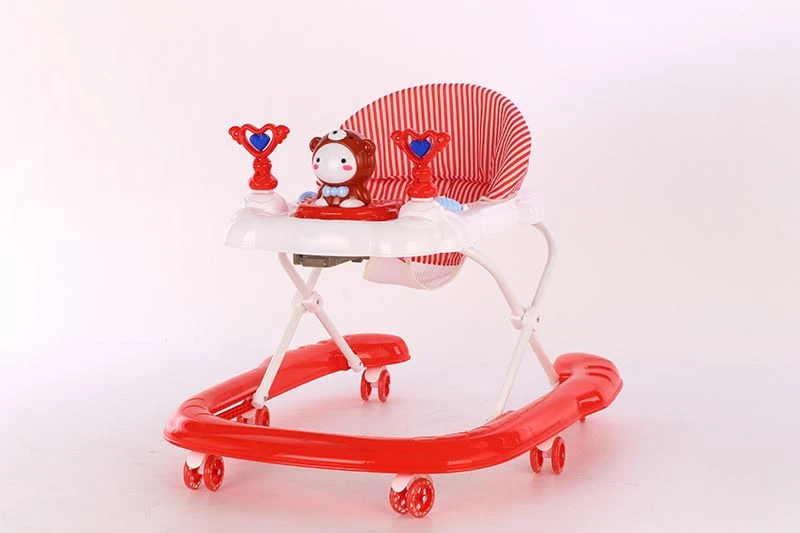
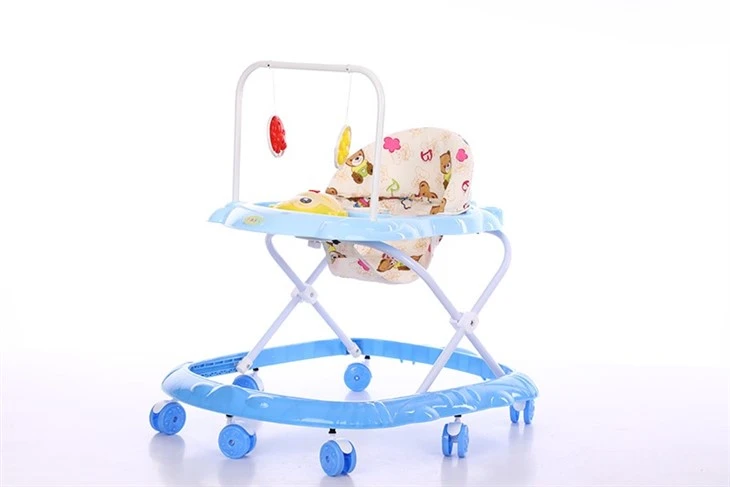
Reasons Why Pushchair Walkers Are Not Suitable for Newborns
- Lack of Physical Readiness: As mentioned earlier, newborns do not have the necessary muscle strength or coordination to use a pushchair walker. Their legs are not strong enough to support their body weight, and they cannot control the movement of the walker. Placing a newborn in a pushchair walker can put unnecessary strain on their developing muscles and joints, potentially leading to long - term problems.
- Risk of Injury: Newborns have poor head and neck control. In a pushchair walker, they may be at risk of falling forward or sideways, which can cause head injuries. Additionally, the wheels of the walker can move quickly and unexpectedly, increasing the risk of collisions with furniture or other objects in the environment.
- Developmental Delay: Using a pushchair walker too early may interfere with a newborn's natural development. Babies need to go through the normal stages of motor development, such as rolling over, sitting up, and crawling, before they are ready to walk. Premature use of a walker can prevent them from engaging in these important developmental activities, leading to delays in motor skills acquisition.
Appropriate Ages for Pushchair Walker Use
Pushchair walkers are generally recommended for infants between 6 and 12 months old. By this age, most babies have developed enough muscle strength and coordination to sit up unassisted and show an interest in standing and moving around. They can start to use the walker to practice taking steps and gain confidence in their walking abilities.
However, it's important to note that every child develops at their own pace. Some babies may be ready for a pushchair walker earlier, while others may need more time. Parents should always observe their child's development and consult with a pediatrician before introducing a pushchair walker.
Alternative Options for Newborns
For newborns, there are many other products that are more suitable and beneficial for their development. For example, a baby bouncer provides a gentle, rocking motion that can soothe a newborn and help them develop their vestibular system. A play mat with soft toys and colorful patterns can encourage tummy time, which is essential for building neck and upper body strength.
If you're looking for walking - related toys for older infants, you can check out Best Walking Toys For 1 Year Olds and Walking Toys For 9 Month Old. These resources offer a variety of options that are designed to support the specific developmental needs of different age groups.
Our Push And Sit Walker for Older Infants
As a pushchair walker supplier, we offer a high - quality Push And Sit Walker that is suitable for older infants. Our walker is designed with safety and comfort in mind. It has a sturdy frame and adjustable height settings to accommodate the growing needs of your child. The seat is padded for comfort, and the wheels are equipped with brakes for added safety.
The walker also comes with a variety of engaging toys and activities to keep your child entertained while they learn to walk. Whether your child is taking their first tentative steps or becoming more confident on their feet, our Push And Sit Walker can provide the support and encouragement they need.
Conclusion
In conclusion, pushchair walkers are not suitable for newborns due to their lack of physical readiness and the associated risks. Newborns need gentle support and activities that promote natural motor development. However, for older infants who are ready to start walking, a pushchair walker can be a valuable tool.
If you're interested in our pushchair walkers or have any questions about choosing the right product for your child, please feel free to contact us. We are always happy to provide professional advice and assistance to help you make the best decision for your little one.
References
American Academy of Pediatrics. (Year). Policy statement on baby walkers. Pediatrics.
Shirley, C., & Zernicke, R. F. (Year). Infant motor development and the use of baby walkers. Journal of Pediatric Orthopaedics.