

Kids Toys
Introducing our Children's Battery Powered Car, the ultimate blend of excitement, safety, and versatility, designed to delight both children and parents alike.
Shanxi Daodebao International Import and Export Trading Co., Ltd. is a bicycles manufacturer and trader integrating design, R&D, and sales. We provide efficient, professional, and safe OEM/ODM services. Our products include bikes, tricycles, electric scooters, kids' toys, kids' products, pet supplies, and outdoor products.
Wide Range of Applications
The product is suitable for various purposes such as urban transportation, daily commuting, sports and fitness, off-road cycling, mountain crossing, leisure and entertainment, competitive competitions, tourism and sightseeing.
Broad Market
Our business currently covers more than 80 countries in Europe, America, Asia, the United States, Canada, Russia, India, the United Kingdom, South Korea, Japan, Brazil, etc.
Professional Advanced Equipment
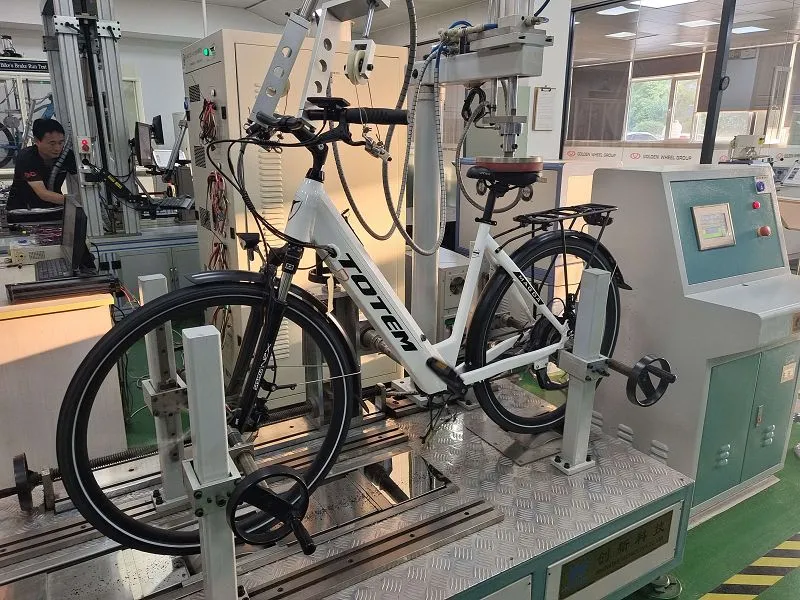
We have the most advanced production lines in the country, precision processing workshops, assembly workshops, and complete testing equipment. We have our own welding frame workshop, waterline paint workshop, automatic weaving spoke workshop, and assembly workshop.
Rich Experience
Shanxi Daodebao International Import and Export Trading Co., Ltd. With 20 years of domestic and export sales experience, we have rich experience and understanding of the industry.
-
Cheap Balance Bike
The affordable balance bike is designed for young children to introduce them to cycling, featuring a lightweight design for easy control and maneuverability. It is built with durable materials to
-
Balance Bike 12 Months
The balance bike for 12-month-old children is an early childhood development tool designed to foster balance and coordination. Featuring adjustable seats and handlebars, it grows with the child,
-
Bicycle Without Pedals
This bicycle without pedals, designed for young children, focuses on developing balance and coordination. It features a lightweight design with adjustable seats and handlebars, allowing it to grow
-
Infant Balance Bike
The infant balance bike is an early riding tool designed to enhance balance and coordination in young children. With its lightweight design, adjustable seat and handlebars, it's tailored for the
-
Black Balance Bike
The black balance bike is designed for young children, focusing on a lightweight structure that enhances balance and control. Its low base ensures easy access for kids, promoting safe and comfortable
-
Bike With No Pedals
This bike without pedals, designed for young children, focuses on balance and motor skill development. Its lightweight magnesium alloy frame and 12 EVA wheels provide stability and ease of movement.
-
Balance Bike
The balance bike is designed for children aged 2-6 years, focusing on developing balance and coordination skills. It has a lightweight aluminum alloy fork and a 12 wheel size, ensuring easy handling
-
Blue Balance Bike
The blue balance bike is designed for children aged 2-10 years, blending play with learning to enhance balance and coordination. This bike, made with a high-carbon steel frame and brake line system,
-
Lightweight Balance Bike
The lightweight balance bike is ideal for young learners, designed to promote balance and coordination in children aged 2-6 years. Its steel frame and carbon fibre rims ensure durability and ease of
-
Balance Bike With Pedals
The balance bike with pedals is a versatile early rider bike designed for children aged 2 to 6 years. It combines the benefits of balance training with the option to pedal, aiding the transition to
-
Specialized Balance Bike
The specialized balance bike is designed for children aged 2-6 years to help develop balance and coordination. Made from magnesium alloy, it's lightweight and features a low base for easy access,
-
14 Inch Balance Bike
The 14-inch balance bike is tailored for young children to develop balance and coordination, featuring a magnesium alloy fork and nylon fiber frame. It offers a shockproof design with inflatable
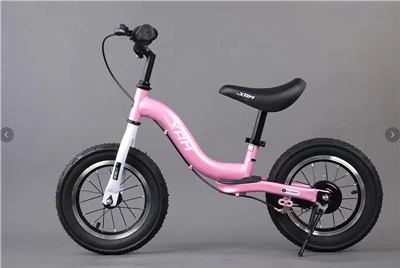

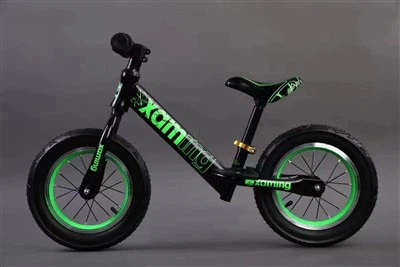
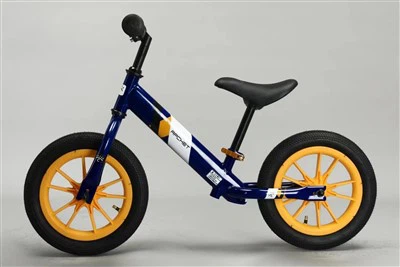
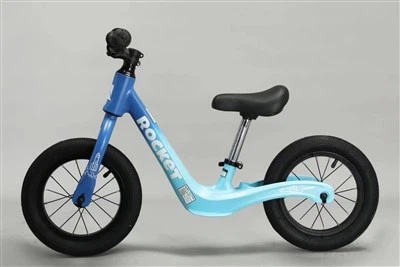
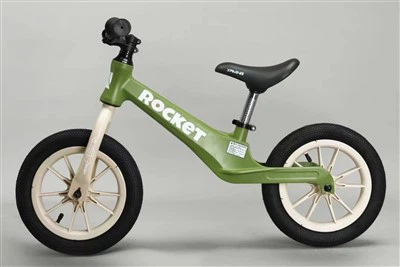
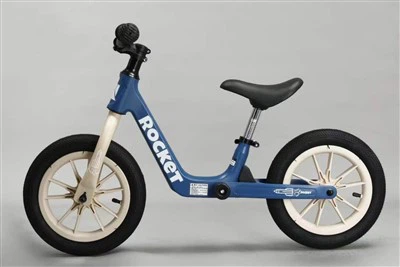
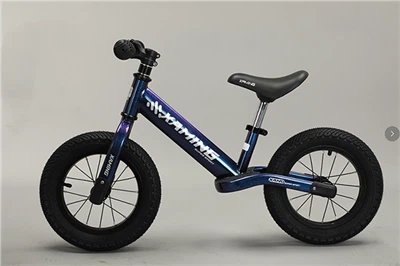


The children balance car can work as a toy, it can help children learn balance and develop their physical fitness.The brilliant thing about them is that they adjust as your toddler grows, guaranteeing years of enjoyment. The lightweight design is perfectly suited for little ones just learning to stand and ride.
What are Advantages of Kids Toys?
The low saddle height, feet on the ground and stable design make the balance bike a very safe introduction to cycling. And when it feels safe, it becomes fun!
Once a child is walking, stepping onto a balance bike is very intuitive. They still have their feet on the ground and simply push themselves along to get going!
Riding a balance bike requires children to use their motor skills to balance and steer. This can help improve their coordination and balance, which can be beneficial for other physical activities they may engage in later in life.
Learning to ride a balance bike can give children a sense of accomplishment and boost their confidence. As they master the skills required to ride the bike, they will become more confident in their abilities, which can carry over into other areas of their life.
Riding a balance bike is a fun activity that can encourage children to spend more time outdoors. This can help them develop a love of nature and a desire to be physically active, which can be beneficial for their overall health and well-being.
If you are wondering are balance bikes the best way to learn to cycle, studies have shown that children who learn to cycle on balance bikes develop better balance, strength and coordination. It is also now proven to lead to earlier independent cycling.
What are Features of Kids Toys?
Lower to the Ground
Because the child must be able to push with either foot while sitting on the seat, the frame and seat of a balance bike are lower than on a pedal bike. This makes balance bikes more accessible to younger children and toddlers.
Teaches Natural Turns
When steering through a turn on a pedal bike with training wheels, the bike stays mostly upright. Any amount of leaning is determined by the height of the training wheels. At high speeds, this can lead kids to topple over if they turn too sharply. Balance bikes allow and encourage kids to lean into turns the same way older kids and adults do.
Adaptable to Rough Terrain
Because they are light and kids can adjust their stride length as needed, balance bikes are easier for young kids to maneuver through dirt, grass, and gravel. Pedal bikes with 12-inch wheels have short crank arms and young kids often lack the leverage to keep the bike moving over a soft or rough surface. In addition, the training wheels often sink into soft surfaces like dirt, gravel, and sand, making it harder for kids to maintain their momentum.
Simplicity
Kids develop body awareness and balance quickly as they learn to walk, run, climb, and jump. Balancing on two wheels with their feet on the ground continues that progression, and once they master the balance part, learning the mechanical aspect of pedaling may come easily. Some children may even progress from balance bikes to pedal bikes without ever using training wheels.
Easy to Learn
The simplicity of the no-pedal design makes it easy for children to learn and enjoy the experience of riding. With a focus on balance, kids can build confidence and a sense of independence as they navigate their surroundings.
Safe and Durable
Crafted with safety in mind, our balance car is constructed from high-quality materials. The sturdy frame and reliable wheels ensure a safe and durable ride, giving parents peace of mind while their little ones explore.
Outdoor and Indoor Fun
Whether in the backyard, at the park, or indoors, the no-pedal balance car offers versatile fun. The lightweight and portable design make it easy for kids to enjoy active playtime anywhere.
Common Types of Kids Toys

Wooden Balance Bikes
Wooden balance bikes are typically made from birch, bamboo or other types of hardwoods, and they are known for their durability and strength. These bikes tend to weigh more than their metal counterparts, which can make them more difficult for very young children to maneuver. However, they are more environmentally friendly, and can be easily customized with paint or decals to suit a child’s preference.

Metal Balance Bikes
Metal balance bikes are generally a more popular choice than wooden models because they are lightweight and easier to handle. They are often made of aluminum, which is not only lightweight but also extremely durable. These bikes are also highly adjustable, meaning that they can be customized to suit the height and weight of the child who will be using them. In addition, they come in a wide range of colors and styles to cater to different preferences and tastes.

Plastic Balance Bikes
Plastic balance bikes are the most affordable option on the market, and they are ideal for parents who want a simple yet effective solution for teaching their children how to cycle. They are lightweight and easy to handle, and are often available in bright colors and fun designs that young children will love. However, they are not as durable as their wooden or metal counterparts, and may not last as long.
Strider Balance Bikes
Strider balance bikes have become increasingly popular in recent years, and are known for their high-quality construction and innovative design features. These bikes feature puncture-proof tires, adjustable seats and handlebars, and a unique footrest that allows children to rest their feet comfortably while learning to balance. Strider bikes are also highly intuitive, making them an excellent choice for children of all ages and developmental stages.

Pedal Bike Conversion Kits
Pedal bike conversion kits are a new type of balance bike that allow children to learn to balance using a traditional pedal-driven bike. These kits come with a special wheel that attaches to the rear of the bike, providing additional stability and balance while the child learns to cycle. Once the child has mastered the art of balancing, the rear wheel can be removed, and the bike can be converted into a regular pedal-driven model. This makes it an excellent investment for parents who want their children to learn to cycle from a young age, but do not want to constantly upgrade their equipment.
Keep Safety in Mind
Helmets are essential with any moving toys, from skateboards to scooters to bikes. Constant adult supervision and a safe place to ride (with no other motorized vehicles) are also necessary. It’s also important to be sure your child is wearing appropriate clothing. Close-toed shoes (no sandals or flip-flops), along with pants and a snug jacket or shirt are the safest options. Sunglasses or other protective eyewear can also be helpful for keeping bugs, sand, or sunlight out of their eyes.
Ensure They’re Comfortable and Confident
All kids are different. Some take to a balance bike instantly, while others may need a bit more encouragement. Don’t pressure your little one to do anything they’re not ready to do. Give them time to get used to it, even jogging or walking alongside them in the beginning. There’s not really a time limit for how long to use a balance bike. Keep supporting and encouraging them until they’re ready to level up.
Choose a Safe Spot
To ensure an optimal learning environment for your child, select an open area that’s free from traffic and distractions. Parks, bike trails, and certain sidewalks are great spots to practice with a balance bike. Avoid areas with numerous obstacles such as crowded pedestrian areas, bodies of water, parked cars, stairs, or densely populated tree areas. Try to find a gently sloping hill that will allow your little one to glide easily without picking up too much speed. (Be sure there’s ample space at the bottom for them to stop.)
Instruct Them on Technique
Talk to them about the bike and how it works. Urge them to keep looking ahead (not down at their feet) and to pay attention to where they’re going. Explain that they use their feet to push the bike forward and that they can glide by lifting their feet off the ground while it’s moving. This helps them learn coordination and balance.
It’s equally important to teach them about braking. Most children will instinctively lower their feet to stop the bike, but be sure they understand that they have to do this if they’re going too fast or about to run into something. Remind them that the bike won’t stop on its own. If your child’s bike has handbrakes, you can eventually show them how to incorporate those as well (assuming their fingers are strong enough to operate them). Begin with the rear brakes first, then move on to the front brakes.
Set an Example
Kids love to imitate the behaviors they observe in others, so it’s helpful to show your child that riding a bike opens up opportunities for exciting adventures. If they have a brother or sister who already rides a bike, that's even better. Organize family bicycle outings to show them that biking is a fun activity that can be shared with others. By doing so, you can inspire your child and encourage them to view bike riding as an enjoyable and social experience.
Regular cleaning
It's important to regularly clean your balance bike to remove dirt, grime, and other debris that can accumulate on the frame and components. Use a soft cloth or brush and a mild soap and water solution to gently scrub the bike. Avoid using harsh chemicals or high-pressure water jets, as these can damage the bike's finish or components.
Lubrication
Over time, the moving parts of a balance bike can become dry and start to squeak or feel sticky. To keep your bike running smoothly, it's a good idea to regularly lubricate the chain, pedals, and other moving parts. Use a lubricant specifically designed for bikes and follow the manufacturer's instructions for application.
Tire pressure
Proper tire pressure is important for the safety and performance of your balance bike. Check the tire pressure regularly using a tire pressure gauge, and inflate the tires to the recommended pressure as needed. Underinflated tires can make it harder to ride and can increase the risk of flats, while overinflated tires can make the ride less comfortable and increase the risk of a blowout.


Brake maintenance
Keep an eye on the condition of your balance bike's brakes and perform regular maintenance as needed. This may include cleaning the brake pads and adjusting the brake cables. If the brake pads are worn down or damaged, replace them to ensure that the brakes are functioning properly.
Storage
Proper storage can help to extend the lifespan of your balance bike. When not in use, store the bike indoors in a dry, protected area. If you must store the bike outside, cover it with a weatherproof bike cover to protect it from the elements.
Repairs
If you notice any problems with your balance bike, such as a loose bolt or a damaged component, address the issue as soon as possible to prevent further damage. If you're not comfortable making the repair yourself, take the bike to a professional bike shop for assistance.
The Considerations for Buying
Size
The most important factor is getting a balance bike that is the right size for your child. A bike that fits properly will feel natural for your child to ride and they are much more likely to engage with it. For more information on this, you can read our bike size guide.
01
Weight
Another key thing to look out for when buying a balance bike is how much the bike weighs. It’s important for both the kids, who’ll find it much easier to control and move the bike around, and for you for the times you inevitably spend carrying the bike along.
02
Ergonomic Design
Your child will also benefit from a balance bike with a proper child-centric ergonomic design. The brands on our list understand this and make balance bikes with great child-friendly geometry. They have plenty of room between the saddle and the bars and between the wheels which makes them comfortable for toddlers and young kids.
03
Brakes
Some balance bikes will come with brakes and some won’t. Those without rely on the child stopping themselves with their feet along the ground, which is a much simpler concept for younger kids to grasp than the idea of a brake lever. That said, having a brake attached gives kids the chance to learn how to use the brake lever as they get more confident. That can make a big difference to safety as they progress to a pedal bike where they will need to learn to use their brakes more.
04
Grips
Grips or hand-holds under the saddle can be useful to look out for as they can be used to both carry the bike and to help steady when first learning.
05
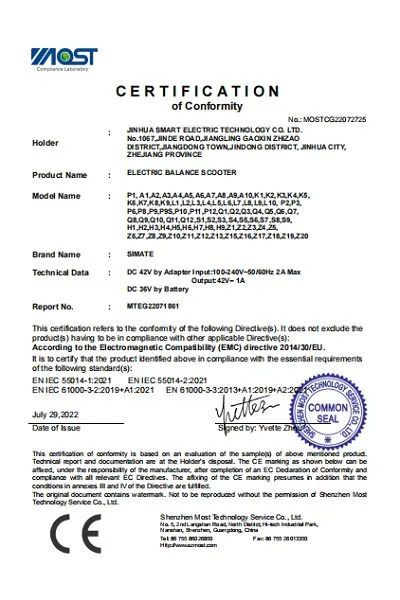
Our Certificate

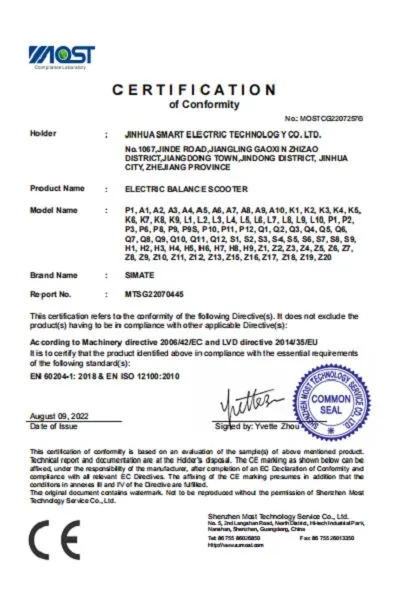
Our Service
Before Sales
A professional sales team communicates with you to understand your needs and customize corresponding solutions and technologies. We understand market trends to help you better understand product information.
During Sales
During the production process, we ensure the quality of each product, report back to you at any time, and grasp every key step until the product is delivered.
After Sales
The company's products have a warranty period. If you have any questions or concerns, please feel free to contact us and we will reply and resolve them as soon as possible.
Our Factory
Daodebao Co., Ltd. is a mature factory with an area of 20000 square meters. With 500 employees, the company has the most advanced production line, precision machining workshop, assembly workshop, and complete testing equipment, providing customers with quality assurance and thoughtful service.


Contact Us
Email: daodebao666@aliyun.com
Email: daodebao888@aliyun.com
Frequently Asked Questions
Q: What is a balance bike?
Learning to ride a bike requires some serious coordination. There's pedalling, steering, balancing, and braking – and that's before they've even made it off the driveway.
Instead of overwhelming children with so many new skills, a balance bike focuses on just balance and steering - the two most challenging cycling skills to master.
They can glide along on balance bikes, enjoying the freedom of two wheels while building up the skills and confidence they need to ride a pedal bike.
When your little one gets their balance bike, they may 'walk' the bike - holding onto the handlebars and walking alongside it.
Over time they will learn to sit on the saddle and scoot with their feet. Eventually, your child will start to glide along, picking their feet up off the floor and balancing. Once they've mastered gliding and the ability to steer around obstacles, they're ready to transition to a pedal bike.
On balance bikes with no brakes, your child uses their feet to speed up and slow down.
Q: Balance bikes vs stabilisers: what do I need?
Counter steering is the correct way to steer a pedal bike. On paper, it sounds odd, but counter steering works by leaning into a corner and turning the handlebars the other way. It's efficient and effective, but it's a skill you need to master.
Many children lean on the stabilisers and aren't counter steering. When the stabilisers come off, kids must learn how to balance and steer all over again, which can be frustrating and dent their confidence.
Once a child is ready to transition from a balance bike to a pedal bike, the only skills they need learn are pedalling and braking. These skills are so easy to master that many kids complete this transition within a day. Many parents also argue that children who start out on balance bikes learn to ride a bike much earlier than children who begin with stabilisers.
Balance bikes are durable and reliable. They easily roll on tarmac or rougher surfaces, and they're an ideal way to help your child keep up on family outings.
Q: What age are Balance bikes suitable for children?
But with so many glossy models and designs available, selecting the correct ride on car for your aspiring driver’s age can become a truly overwhelming task.
If you’re considering buying a ride on toy for your little one, you’ve landed at the right spot! Read our age by age guide to buying kids electric cars to choose the perfect toy for your child. Let’s dive right in!
Ages 18 months to 2 years old
Young children in this age group are still developing their motor skills and sense of balance, and that makes them vulnerable to tumbling and falling. That’s why you should be extra careful when picking a ride on toy for very young children.
The toy you pick should have added safety features. If you’re picking an electric ride on car, a powerful parental remote-control system is a must.
For very young children, we recommend simple and manual ride on toys such as balance bikes and toddler ride on cars. Balance bikes help your baby develop their balance while toddler ride on cars are great for your baby’s motor skills.
Foot to floor ride ons, as the name suggests, need to be pushed forward using feet so they’re a brilliant option if you want your child to get sufficient physical activity during playtime. You can also choose a toddler ride on car that comes with a handle so you can help them steer if needed.
From age 2 onwards toddlers will be suitable for some ride on cars with parental remote controls.
Q: How To Choose The Right Balance Bike For Your Child?
Q: How To Ride A Balance Bike?
Riding an ill-fitting bike is awkward and frustrating. While sitting on the saddle, your child should be able to have their feet flat on the ground.
The handlebars should be within comfortable reach, without being cramped, so your child can steer easily. Handlebars on proper bikes can be rotated backwards or forwards and moved up or down to get the right fit.
Learn How To Use The Brakes
Most kids will intuitively use their feet to stop while using the balance bike, at least while they’re getting started. Once your little one gets faster they’ll need to start using their brakes on their balance bike.
It’s best to teach them to use the rear brake first, then the front brake as they get more confident. You may wish to run alongside them with your hand on their back while they are learning in case they need to stop.
Get Padded Up
To ensure that a gentle fall doesn’t knock your child’s confidence, it’s best to be kitted up properly. A well-fitted helmet is strongly recommended, along with sturdy shoes and robust clothing, like jeans and a soft padded jacket. Avoid loose clothing or shoe laces that may get caught in the wheels.
Pick A Safe, Suitable Location
An open area free from traffic and distraction will provide a safe learning environment, and ensure your child is focused on the task at hand.
Avoid parked cars, steps, open water and any other obvious obstacles. Tarmac or short dry grass will ensure your child can get enough momentum to balance safely.
Find A Gentle Hill
In order to get your child coasting along easily, it’s best to find a very gentle downhill which will help in picking up speed. Just make sure there’s a good run-off at the bottom. Parks can be great places to learn as you will find long gently sloped paths and trails without too many people around and no traffic.
Practice & Be Patient
Balance is normally mastered quite quickly. But the nuances of pedalling and braking can take longer.
If your child is reluctant to start riding it’s best to put the bike back in the shed for a few weeks until they’re ready.
Fitting some jazzy accessories like bells, stickers or a basket could help entice your child to get on their bike.
Copy What Others Do
Your child will try and copy whatever you do, so try to let them see you riding a bike as much as possible.
If they have a brother or sister who rides a bike then all the better. You can then go out and ride as a family, and that’s what it’s all about!
Q: How does a balance bike work?
Once they are gliding(feet off the ground) along independently, they are mastering their balance and are ready to begin pedalling. But there’s no rush, kids can keep going on the balance bike for as long as they wish.
Balance bikes also teach kids how to steer properly by leaning the bike towards the corner, helped by the assurance of having their feet on the ground.
Balance bikes are proven to give kids independence much earlier than traditional pedal bikes with stabilisers/ training wheels.
Their inherent simplicity means they weigh less than normal bikes and are easier for young kids to understand.
Balance bikes are very intuitive for kids and usually they just grab the bike and go, no instructions needed!
By taking the task of pedalling out of the mix, kids are able to concentrate on the more tricky and nuanced skill of balancing the bike.
Q: Are balance bikes better than fitting stabilisers to a pedal bike?
This is because a balance bike actively challenges postural control, teaches balance and promotes independent cycling as it requires the child to actively stay upright by leaning their body and steering.
Recent studies have found that children who had only ridden balance bikes were able to cycle independently at a younger age, compared with those who practiced on a bike with stabilisers/training wheels.
Q: Does a balance bike need brakes?
Balance bikes can come with no brakes, rear hand brake only, or both front and rear hand brakes. Balance bikes with no brakes assume the child can slow the bike by dragging their feet off the ground. This is okay at slower speeds, but not when the speed increases.
Brakes are particularly important on inclines or rough surfaces where dragging your feet won’t slow the bike much. Having brakes on the balance bike also saves kids(and parents wallets) wearing out the toes and soles of their shoes.
Q: Are balance bikes suitable for a child with special needs?
A balance bike is far easier to control than a pedal bike, so is a great way for kids with special needs to learn to glide along independently. The independence it provides is great for personal development and confidence building.
Gliding along on a balance bike is also great exercise and helps improve motor skills.
If your child has slower growth (such as kids with Down syndrome), they may be able to use it for even longer. Kids with low muscle tone are fully supported by the saddle while they have their feet on the ground, making it even easier than walking.
Q: How will I know my child is ready to move on from their balance bike?
If your child has good hand/eye coordination and has mastered the skills needed to glide the balance bike confidently and safely, they’re probably ready to try pedalling.
But as pedalling adds a new skill to learn, it may still take them a little time to adjust before they can pedal away confidently. It’s important therefore that they practice pedalling in a safe place, away from obstacles and traffic, and that they keep wearing a helmet.
This means your child can learn to pedal on a bike they’re already familiar with which will give them extra confidence.
Q: Can you add pedals to a balance bike?
You can not fit pedals to most balance bikes as they are not designed to take them.
When your child is ready to cycle independently, you just attach the specially designed pedals and it converts to a standard pedal bike without the cost or hassle of buying a new bike.
Q: Are balance bikes good for toddlers?
For parents, ensuring a safe ride on a well-built bike that won’t fall apart, are factors in the decision-making. Children love riding the balance bike, while parents have the assurance of knowing it’s making it easier and safer for them to learn to cycle.
Q: Are balance bikes safe?
Balance bikes are also very simple to maintain, so there is less to go wrong.
While balance bikes are probably safer than regular bikes, we still recommend wearing a helmet anytime you are on a bike!
Q: How do you measure a child's leg for a balance bike?
To do this, ask them to stand up straight, back to the wall, with shoes on. Then place a book against the wall, between their two legs, and slide it up along the wall until it meets their crotch.
Now measure the vertical distance from the top of the book to the floor. This is your child's inseam leg measurement. To fit the balance bike, this needs to be within the saddle height range.
If their inseam is smaller than the lowest saddle height, the bike is too big. If the inseam is longer than the maximum saddle height, the bike is too small.
Q: How high should a balance bike seat be?
Most decent balance bikes have a quick release seat clamp for easy adjustments. They should be able to reach the handlebars comfortably, with their torso angled slightly forwards.
Imagine pushing a broken down car, you naturally lean forward so you can brace against the ground. If the torso is too upright, it can be difficult to push forwards.
We're well-known as one of the leading kids toys manufacturers and suppliers in China. Please feel free to buy high quality kids toys for sale here from our factory. Good service and competitive price are available.
