

Bike
At the core of our Mountain Bike lies its innovative aluminum alloy internal cable routing frame.
Shanxi Daodebao International Import and Export Trading Co., Ltd. is a bicycles manufacturer and trader integrating design, R&D, and sales. We provide efficient, professional, and safe OEM/ODM services. Our products include bikes, tricycles, electric scooters, kids' toys, kids' products, pet supplies, and outdoor products.
Wide Range of Applications
The product is suitable for various purposes such as urban transportation, daily commuting, sports and fitness, off-road cycling, mountain crossing, leisure and entertainment, competitive competitions, tourism and sightseeing.
Broad Market
Our business currently covers more than 80 countries in Europe, America, Asia, the United States, Canada, Russia, India, the United Kingdom, South Korea, Japan, Brazil, etc.
Professional Advanced Equipment
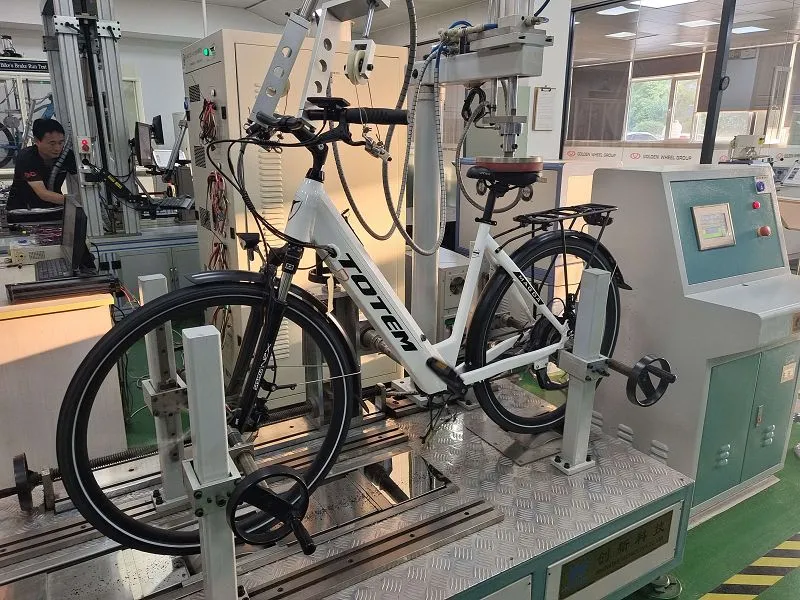
We have the most advanced production lines in the country, precision processing workshops, assembly workshops, and complete testing equipment. We have our own welding frame workshop, waterline paint workshop, automatic weaving spoke workshop, and assembly workshop.
Rich Experience
Shanxi Daodebao International Import and Export Trading Co., Ltd. With 20 years of domestic and export sales experience, we have rich experience and understanding of the industry.
-
Wide Tire Electric Bike
wide tire electric bike, featuring a 21-speed gear system, aluminum alloy frame, 20-inch tires, powered by a 48V lithium battery, disc brake system, a 10.4AH battery capacity, a central motor, and a
-
Eletric Fat Bike
The Electric Fat Bike offers a blend of robust performance and versatility with its powerful motor range of 350W to 1000W, catering to different power needs and supporting speeds suitable for various
-
Aluminum Alloy Full Suspension Electric Bicycle
The Aluminum Alloy Full Suspension Electric Bicycle is a high-performance electric bike designed for both durability and comfort. It features a lightweight aluminum alloy frame, customizable color
-
Mountain Bike for Adults
It includes advanced components such as a 27.5-inch aluminum frame for lightweight durability, hydraulic locking on the front fork for improved control on diverse terrains, and Shimano gear
-
Adult Mountain Bike
It features an aluminum alloy internal cable routing frame, Kuder semi-aluminum locking front fork, Shimano oil disc brakes, 9-piece positioning flywheel, Shimano shifters and derailleurs, TEC chain,
-
Trail Mountain Bike for Adults
What sets our Trail Mountain Bike for Adults apart is its beautiful overall design, seamlessly blending style and functionality. With a favorable price and factory direct sales, we invite you to
-
Mountain Bike for Man
This mountain bike features an aluminum alloy internal cable routing frame, a Kuder shock absorber with a locking front fork, Shimano TZ500 front and rear derailleurs, Ruipute mechanical disc brakes,
-
Stylish Girls Bicycle
The Stylish Girls Bicycle is a beautifully designed, durable bike that marries elegance with functionality. It features vibrant colors and captivating designs, making it not just a bicycle but a
-
12 Inch Bike For Kids
Designed for young adventurers, this 12-inch bike combines durability and style, offering a perfect introduction to cycling. Its adjustable features ensure it grows with your child, making it a
-
Cross Country Mountain Bike
It features a high-performance design with a steel frame, disc brakes, and a shock-absorbing fork for enhanced durability and comfort on rugged terrains. The bike is equipped with wide tires for
-
14 Inch Kids Cycle
It features a lightweight design, adjustable height, and durable materials, ensuring a comfortable, adaptable, and long-lasting ride. The bike's vibrant colors and designs aim to inspire creativity
-
Boys 14 Inch Kids Bike
Aimed at combining safety with fun, this bike is presented as an ideal choice for encouraging children to enjoy cycling and outdoor adventures, ensuring a comfortable and secure riding experience for


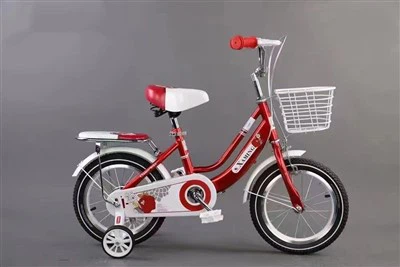
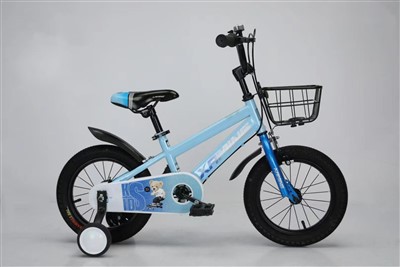
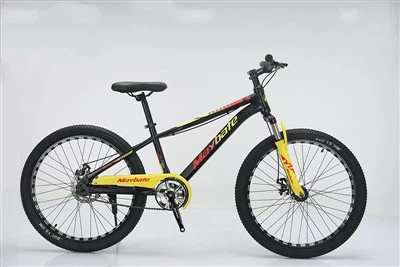
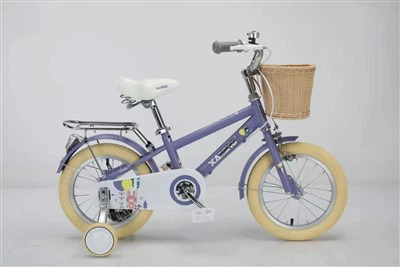
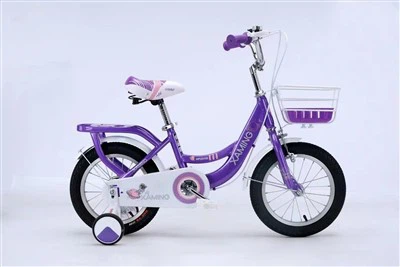

A bike is a two-wheeled human-powered vehicle. It is a popular means of transportation and recreation. Bikes are typically composed of a frame, two wheels, handlebars, and pedals. Some bikes also have gears and brakes. In addition to being an efficient and healthy mode of transportation, biking is also a great recreational activity. Whether you're an avid cyclist or a casual rider, biking is an enjoyable way to explore the outdoors and stay fit.
Common Types of Bike
Road bicycles are designed to be ridden fast on smooth pavement. They have smooth, skinny tires and "drop" handlebars, and can be used for on-road racing. They are usually lighter than other types of bicycles. They can be ridden on paved trails, but most people find them uncomfortable and unstable on unpaved trails. Most road bikes are not capable of carrying heavy loads, so are not very suitable for commuting or touring.
Cyclocross bicycles are a special type of road bike designed to be raced on a mixed surface course (combination of pavement, unpaved trails, gravel, grass). They have a drop handlebar like regular road bikes, but the tires are a littler wider for more off-road traction, and they have a different style of brake that helps to prevent mud buildup in the frame.
Touring bicycles are another special type of road bike. They are designed to be ridden on pavement, but are more durable for use on self-supported long-distance riding. They have all of the necessary mounting bolts for cargo racks and fenders, and although they still have a drop handlebar, they usually have a more relaxed frame design so that the rider is more upright, for more comfort when riding long distances for multiple days at a time. They have a lower gear range compared to regular road bikes, to allow for carrying heavy loads up steep hills. They also make good commuter bicycles, because of their durability and ability to carry heavy loads.
Adventure Road Bicycles are one of the newest categories of bicycle. They are sometimes called all-road bikes, any-road bikes, or gravel bikes, and are the most versatile sub-category of road bike. Similar to cyclocross bikes, they have drop handlebars and the ability to use wider tires. The frame geometry is longer and more upright compared to a cyclocross bike, however, making these bikes more suitable for long days in the saddle, light touring, and commuting.
Triathlon/Time Trial Bicycles are road bikes with a special design that maximizes their aerodynamic properties. The handlebars are also a special aerodynamic design that allows you to crouch forward while riding, to minimize the wind resistance against your body. Triathlon/time trial races usually have staggered starts, where each racer starts on his/her own; these bicycles are usually not allowed to be used in mass-start races.
Fitness Bicycles have most of the advantages of regular road bikes--lightweight frames and relatively narrow tires for efficiency on pavement--with a flat or upright handlebar. These bikes are designed for people who want a light, high-performance bike, but don't like the drop-handlebar riding position of a regular road bike. These bicycles are sometimes called flat-bar road bikes or performance hybrid bikes. Most of them can accept somewhat wider tires, to make them suitable for use on unpaved trails. They usually have the ability to mount cargo racks and fenders, which make them good commuter bikes.
Track/Fixed-Gear Bicycles or fixies are designed to be ridden on a velodrome, which is a banked oval track specifically for bicycle racing. Some commuters prefer track bikes, however, due to their simple design, which makes them easy to maintain. They have a single gear that does not provide the ability to coast, so if the bike is moving, your feet must be pedaling. For even more simplicity, some riders prefer to not have brakes, since the fixed-gear mechanism can act as a brake. Most track bikes have drop handlebars, but some riders outfit theirs with flat or upright handlebars.
Mountain Bicycles are design for riding rough off-road trails. They have flat or upright handlebars, and a very low gear range for pedaling up steep trails. Most mountain bikes have some type of shock absorbers or suspension. Mountain bikes with front suspension only are called hardtails; mountain bikes with both front and rear suspension are called full-suspension bikes or duallies. Mountain bikes with no suspension are called rigid. Mountain bikes can be outfitted for use as touring or commuting bikes, although they would not be as light or efficient as traditional touring or commuting bikes. Fat bikes, with their extremely wide tires, are included in the mountain bike category.
Hybrid Bicycles were originally conceived to provide the advantages of both road bikes and mountain bikes. Their large, padded seats and upright handlebars provide a comfortable riding position, and are best for casual riding around the neighborhood or bike paths, short-distance commuting, and errands around town. They can be ridden on paved roads, but are not as lightweight or efficient as road bikes. They are ideal for paved or unpaved bike trails, but are not appropriate for rough off-road mountain bike trails. The tires are usually a medium-width with a semi-smooth tread, to provide a fairly smooth ride on pavement, but enough grip and cushion on unpaved trails. Most hybrid bikes have front suspension to smooth out small bumps, but some are fully rigid.
Dual-Sport Bicycles are a sub-category of hybrid bikes oriented towards riders who want the multi-surface versatility of a hybrid bike, but want a little more aggressive style and riding position. They have a flat or upright handlebar, although not as upright as regular hybrid bikes; they usually have a smaller, more performance-oriented seat, rather than a large comfort seat. Most have front suspension. Dual-sport bikes make good commuter bikes, and are also good for touring on unpaved trails.
Cruiser Bikes
Cruiser Bicycles are similar to hybrid bikes, in that they are designed for casual riding, and have a very comfortable, upright riding position, and a large, comfortable seat. Cruisers usually have wide "balloon" tires, and handlebars that are even more upright, and in some cases, swept back compared to hybrid bikes. Most cruiser bikes are single-speed or 3-speed, and have the old-fashioned coaster brake (where you pedal backwards to stop). They can be used for short-distance commuting and errands, as long as your route is fairly flat. Some cruiser bike manufacturers make a wide array of colorful models available, to suit the fashion tastes of any bike afficionado.
Flat-Foot Comfort Bikes
Flat-Foot Comfort Bicycles are a sub-category of cruiser bikes. They have an elongated frame design that pushes the pedals a few inches forward of the seat. This allows you to ride with the seat low enough so that you can place your feet flat on the ground when you are stopped, but you still get the full extension of your legs while pedaling.
City Bikes
The term "city bike" doesn't really refer to a specific category of bikes; They might also be called "commuter" or "urban" bikes. However, there is a certain type of bike that some people have in mind when they use the term "city bike." This bike has characteristics of both a hybrid bike and a cruiser bike--usually the upright riding position of a cruiser, but the wheel size of a hybrid bike.
BMX Bikes
BMX Bicycles are popular with kids because of their small size, but they are used by adults and kids alike for various styles of trick and stunt riding.
Folding Bikes
Folding Bicycles are ideal for those who need to travel with their bike, want a bike to keep on their boat or plane, or who live in small apartments and don't have a lot of storage space. They're also good for commuters who need to take their bike on a bus or train for part of their commute, or who don't have a safe place to park their bike at work. Most folding bikes have smaller wheels, which makes the bike a little less efficient and trickier to handle than a standard bike, but most folding bike fans feel the benefits outweigh the disadvantages.
Recumbent Bikes
Recumbent Bicycles have a long, low design and a full-size seat with a backrest. Recumbents are available in two-wheel and three-wheel designs. Many recumbent riders feel that they are the most comfortable option available for bicycling. However, they are more difficult to pedal up hills, and they can be a challenge to carry from one place to another in a motor vehicle.
Tandem Bikes
Tandem Bicycles are "bicycles built for two." They come in all styles, from cruiser tandems and hybrid tandems for the bike path or boardwalk, off-road mountain bike tandems, and high-performance road racing tandems.
Adult Tricycles
Adult Trikes are ideal for older folks who still want to get around under their own power, or those with balance issues or other special needs. They are also popular in environmentally-consious industrial/warehouse applications.
Components of Bike
Frame
The frame serves as the structural backbone of the bicycle. It connects and supports all other components. Frames can be made from various materials such as steel, aluminum, carbon fiber, or titanium and come in different shapes and sizes to accommodate different types of bicycles. Road bike frames are usually made from materials like aluminum, carbon fiber, or steel.
01
Wheels and Tires
You can’t go anywhere without these! Bicycle wheels are essential for movement and balance. They consist of the hub (center of the wheel), spokes, rim, and tire. The size and type of wheels can vary depending on the bicycle's purpose. For instance, road bikes typically have larger, thinner wheels, while mountain bikes have sturdier, smaller wheels with knobby tires for better traction on rough terrain.
02
Drivetrain
The drivetrain refers to the collection of components and parts that work together to transfer power from the rider's pedaling motion to the bike's wheels, propelling it forward. Parts that make up the drive train are the derailleurs, chain, crankset, cassette, and bottom brackets.
The choice of specific drivetrain components, such as the number of gears, gear ratios, and the type of drivetrain (e.g., single-speed, multi-speed), can vary depending on the type of bicycle and its intended use. Proper maintenance and tuning of the drivetrain are essential for smooth and efficient cycling.
03
Steering
The steering system of a road bike primarily consists of the components that enable the rider to control the bike's direction and stability. The stem, headset, fork, bearings, and bar ends are the main components of a road bike steering system. The combination of drop handlebars, stem adjustments, and the headset's bearing quality allows riders to fine-tune their riding position for optimal handling and performance. Road bikes are typically built for speed and agility, and the steering system plays a crucial role in achieving these characteristics.
04
Finishing Kit
The finishing kit on a bike consists of a collection of components and accessories that contribute to the final appearance, functionality, and comfort of the bike. The finishing kit includes various parts that complete the build of the road bike and allow it to be ready for riding, such as the pedals, handlebars, and saddle.
05
Clean Your Bike
The first and easiest thing you can do for your bike is to make sure that you clean it regularly. You can wash your bike by sponging or scrubbing it using water and dishwashing liquid. Use a brush to clean the cogs, clean the chain with a brush and then apply a degreaser.
Cleaning bicycle tyres isalso important. Remove your tyres and inspect them for signs of wear or tear. Wipe them with a cloth and remove debris such assmall pebbles, grass, or mud. Use a dampened cloth with household or dishwashing cleaner and wipe the different parts of the tyre.
Make Sure Your Tyres Are Properly Inflated
There aredifferent types of bicycle tyres and each kind requires a certain amount of air. The amount of air you must put in is usually on the side of your tyre. Checking your tyres regularly, especially every time you ride your bike, is a must. If you do not pump your tyres properly, they may get punctured easily. Use a pump that is compatible with the valve type of your tyre.
Lubricate Your Bike
Your bicycle needs to be lubricated regularly to function well. Lubrication protects thebike from excessive friction that results inwear, corrosion, and rust. Lubricate the metal parts, especially the parts that move against other parts. However, be careful not to over lubricate as excess lubrication can attract dirt particles. Wipe anyexcess lubricant off with cloth. Similarly, if you apply lubrication too thinly, it will only wear off or dissipate. Be sure to put the right amount of lubrication.
Check Your Brakes
The brakes of your bike are important for your safety. You must make it a point to inspect your brakes every time you use your bike.
First, check the brake pads and ensurethey are not worn out. Check the cables by making sure you can squeeze the brake handles properly. Make sure that the clamp of the brake handle is not loose. Tighten the barrel of the brake lever to adjust. Clean the brakes regularly to avoid squeaks. Check the brake pads and if they are worn, replace them with new ones.
Check the Tyres and Wheel Bearings
Well-maintained wheel bearings are important for a smooth ride. Use a bike stand or if you do not have any, take your bike off the ground using make shift stands. Check if the wheels are spinning smoothly. See if the tyres move in a gritty or coarse manner. Check if your tyres require truing or straightening. This procedure must only be done by bike specialists.
The Chain
Your chain is your bike's most "at risk" lubricated part. Clean and lube it frequently to slow the rate of chain wear.
To clean chains that don’t have too much built-up grime, simply use a rag and degreaser. For really dirty chains, you may want to use a chain cleaning device which is more thorough and a lot less messy.
After the degreaser has dried, apply drops of lube slowly onto to the chain, getting some on each link. Let the lube dry, then wipe off any excess lubricant so it doesn’t attract more dirt.
In general, lubricate your chain whenever it squeaks or appears "dry." Lubing after wet rides will help keep your chain from rusting.
Front Chain Rings and Rear Cassette
Scrub the surfaces with a brush and degreaser while turning the pedals. If there’s a lot of built-up grime, use rags to wipe away any remaining dirt and “floss” between the gears.


Brake and Derailleur Levers
Apply a drop or two of lube to the lever pivots and the barrel adjusters periodically to keep them functioning properly.
Brake and Derailleur Cables
Check them frequently (especially in wet conditions) and re-lubricate occasionally so that they can effectively translate your commands to the component groups.
Brake and Derailleur Assemblies
These consist of a number of small moving parts. Keep an eye on their arms, wheels and pulleys so they don't bind up or become rigid. Apply lubricant to the pivot points.
Safe Riding Tips
Wear a Properly Fitted Bicycle Helmet
Protect your brain, save your life.
Adjust Your Bicycle to Fit
Stand over your bicycle. There should be 1 to 2 inches between you and the top tube (bar) if using a road bike and 3 to 4 inches if a mountain bicycle. The seat should be level front to back. The seat height should be adjusted to allow a slight bend at the knee when the leg is fully extended. The handlebar height should be at the same level with the seat.
Check Your Equipment. Before riding, inflate tires properly and check that your brakes work.
See and Be Seen
Whether daytime, dawn, dusk, foul weather, or at night, you need to be seen by others. Wearing white has not been shown to make you more visible. Rather, always wear neon, fluorescent, or other bright colors when riding day or night. Also wear something that reflects light, such as reflective tape or markings, or flashing lights. Remember, just because you can see a driver doesn’t mean the driver can see you.
Control Your Bicycle
Always ride with at least one hand on the handlebars. Carry books and other items in a bicycle carrier or backpack.
Watch for and Avoid Road Hazards
Be on the lookout for hazards such as potholes, broken glass, gravel, puddles, leaves, and dogs. All these hazards can cause a crash. If you are riding with friends and you are in the lead, yell out and point to the hazard to alert the riders behind you.
Avoid Riding at Night
It is far more dangerous to ride at night than during the day because you are harder for others to see. If you have to ride at night, wear something that makes you more easily seen by others. Make sure you have reflectors on the front and rear of your bicycle (white lights on the front and red rear reflectors are required by law in many States), in addition to reflectors on your tires, so others can see you.
Body Design
When it comes to the new bikes in the market, there are various new types of designs you could go with, unlike how it was back in the old days. Find bikes that match your personality and aesthetic. Select the attributes that influence the speed and dynamics of the vehicle as per your needs. Obtain chassis that are usually lightweight, accompanied by streamlined body designs.
A Good Suspension System
Having a good suspension system is essential for driving in unbalanced terrains and poorly maintained roads. Depending on the speed and torque of your vehicle requirements, check out suspension systems for it that will augment your overall comfort of riding.
All LED Lighting Systems
A good bike should have decent lighting across all formats of terrain and this is quite important. An all-LED lighting system will ensure that you have constant even lighting across the entire driving view. This type of lighting system is also quite energy efficient while constantly keeping temperature increase at a minimum. Unlike the traditional bulb lamps, these LED lamps are light on the battery resulting in longer life. Furthermore, the reduced temperature intake keeps the damage to the structure of the vehicle and overheating to a minimum.


An ABS Braking System
Most of the bikes out there usually come in the two variants of the braking systems present in the market, the disc braking system and the ABS braking system. Having the latter can tremendously improve your chances of survival on the road.
The ABS braking system provides better traction on the road and reduced slippage. If the terrain happens to be damp or slippery, the ABS braking system will maintain good control over the vehicle for you to operate. It also concomitantly increases the resale value of your bike in the future.
The Track Record of the Bike and the Company
This is a point that is left underrated by many people, understanding the nature of the vehicle and the company. Get to know about how the vehicle that you are about to be has held up in the hands of others, check out its reviews and its disadvantages and what are the possible maintenance issues that might come up in it frequently.
Our Certificate

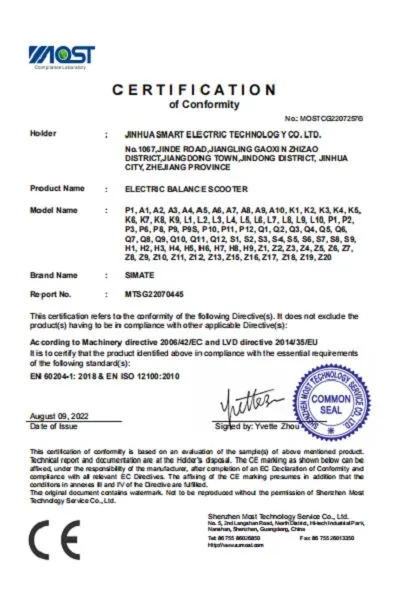
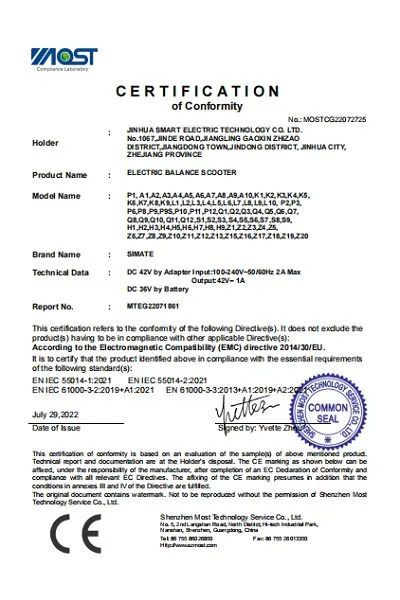
Our Service
Before Sales
A professional sales team communicates with you to understand your needs and customize corresponding solutions and technologies. We understand market trends to help you better understand product information.
During Sales
During the production process, we ensure the quality of each product, report back to you at any time, and grasp every key step until the product is delivered.
After Sales
The company's products have a warranty period. If you have any questions or concerns, please feel free to contact us and we will reply and resolve them as soon as possible.
Our Factory
Daodebao Co., Ltd. is a mature factory with an area of 20000 square meters. With 500 employees, the company has the most advanced production line, precision machining workshop, assembly workshop, and complete testing equipment, providing customers with quality assurance and thoughtful service.


Contact Us
Email: daodebao666@aliyun.com
Email: daodebao888@aliyun.com
Frequently Asked Questions
Q: How do I choose a good bike?
Q: How do I choose between bikes?
Q: How to buy a bike for beginners?
Set your budget.
Choose a shop.
Choose your gears.
Choose your brakes.
Get the right size.
Do you need suspension?
Take a test ride.
Q: What parts does a Bike frame consist of?
The top tube is the horizontal tube that runs from the head tube (at the front of the frame) to the seat tube. It helps define the frame's overall geometry and provides lateral stiffness.
Down tube
The down tube is another horizontal tube that runs from the head tube to the bottom bracket shell. It's one of the main load-bearing members of the frame and contributes to the frame's strength and rigidity.
Seat tube
The seat tube connects the top tube and down tube to the seat stays and seat post. It houses the seat post and saddle, and its length and angle determine your seating position.
Head tube
The head tube is located at the front of the frame and holds the fork's steerer tube. It also houses the headset, which allows the front wheel to turn and the handlebars to control steering.
Seat stays
Seat stays are two slender tubes that run from the seat tube to the rear dropouts (where the wheel axles are attached). They help absorb shock and impact from the rear wheel and contribute to the frame's overall compliance and comfort.
Chain stays
Chain stays connect the bottom bracket shell to the rear dropouts and provide support for the rear wheel and drivetrain components. They play a significant role in power transfer and frame stiffness.
Bottom bracket
The bottom bracket is a component that houses the bearings that allow the crankset to rotate. It is mounted inside the frame and is connected to the crankset via the bottom bracket spindle.
Bottom bracket shell
The bottom bracket shell is the part of the frame where the bottom bracket, which holds the crankset and pedals, is installed. It's a critical component for power transfer and pedal efficiency.
Dropout
Dropouts are located at the rear of the frame and front fork. They provide attachment points for the wheel axles so they can be secured to the frame. Some dropouts also feature provisions for mounting disc brake calipers.
Parts of road bike wheels
Rim
The rim is the outer circular component of the wheel, which holds the tire in place. It is typically made of materials like aluminum or carbon fiber and is available in various depths and widths to suit different riding styles and conditions.
Spokes
Spokes are thin, metal rods that connect the rim to the hub, forming a network of support for the wheel. The spokes maintain the wheel's structure and tension, distributing the load from the hub to the rim.
Hub
The hub is the central part of the wheel, located at the wheel's core. It houses the wheel's bearings and the axle, enabling the wheel to rotate. Hubs are equipped with flanges for spoke attachment and come in different designs, including front and rear hubs, as well as those designed for different types of axles (quick-release or thru-axle).
Axle
The axle is a central shaft that runs through the hub, providing support for the wheel. The axle attaches to the bike's frame or fork, allowing the wheel to spin freely. The design and diameter of the axle may vary depending on the type of bicycle and its intended use.
Quick release or thru-axle (front and rear)
These are the mechanisms used to secure the wheel to the frame or fork. Quick releases are commonly used on road bikes and some mountain bikes, while thru-axles provide increased stiffness and security, particularly on mountain bikes.
Nipples
Nipples are small, threaded components that connect the spokes to the rim. By adjusting the tension of the nipples, the wheel's trueness and roundness can be fine-tuned.
Rim tape
Rim tape is a strip that covers the spoke holes inside the rim to prevent the inner tube from being punctured by the sharp edges of the spoke holes.
Tire
The tire is the outermost part of the wheel and makes contact with the road or trail surface. It is available in various sizes and tread patterns to suit different riding conditions and terrain.
New to cycling? Learn how to change a bike tire so you never get stranded on a ride.
Tube
Some bikes use inner tubes that sit inside the tire and hold the air pressure. Tubeless tire setups, which omit inner tubes, are more popular for road cycling. If you prioritize speed, efficiency, and puncture resistance, tubeless tires may be the better choice. However, if simplicity and cost-effectiveness are your main concerns, traditional tube tires can still provide a reliable option.
Valve
The valve is a small, usually threaded component on the inner tube that allows for inflation and deflation of the tire. Common valve types include Presta and Schrader valves.
Q: What does the Bike drivetrain and steering components consist of?
Chain
The chain is a critical component of the drivetrain that transfers power from the pedals to the rear wheel, propelling the bike forward. Chains are made of metal links and come in various widths and speeds.
Chainrings
Chainrings are the toothed wheels located on the crankset. They are connected to the pedals and affect the gearing of the bicycle. Bicycles can have one, two, or three chainrings on the crankset, depending on the drivetrain setup.
Cassette
The cassette, found on the rear wheel, consists of multiple sprockets with teeth of varying sizes. It works in conjunction with the chain and rear derailleur to control the bike's gearing.
Front Derailleur
In a multi-speed bicycle, the front derailleur is responsible for shifting the chain between the chainrings to change gears.
Rear Derailleur
The rear derailleur is a component that shifts the chain between the sprockets on the rear cassette to change gears.
Crankset
A crankset, often simply referred to as the "cranks," is a major component of a bicycle's drivetrain that plays a central role in powering the bike. It consists of two or three chainrings and one or two crank arms. The crank arms are connected to the pedals. When you pedal, you apply force to the crank arms, which, in turn, rotate the chainrings.
Crank Arms
Crank arms are the two elongated components that connect the pedals to the bicycle's crankset. They play a key role in translating your pedaling motion into forward propulsion. Crank arms are typically made of lightweight and strong materials like aluminum, carbon fiber, or occasionally steel, depending on the type of bike and its intended use.
Road bike steering components
Stem
The stem connects the handlebars to the fork's steerer tube, allowing for steering control and positioning of the handlebars. It comes in various lengths and angles to adjust your reach and height.
Headset
The headset is the bearing assembly that sits in the head tube of the bike frame. It enables the handlebars to turn smoothly and control the direction of the front wheel. Headsets can be integrated, external, or internal, depending on the frame design.
Fork
The bike fork is a crucial component of a bicycle's front end, and it plays a significant role in supporting the front wheel, controlling steering, and absorbing shocks and vibrations. It is located at the front of the bicycle frame and connects to the frame's head tube via the headset.
Bearings
Bearings are located inside the hub and allow the wheel to rotate smoothly around the axle. They reduce friction, providing efficient motion. Bearings can be sealed or unsealed, with sealed bearings being more common in modern bicycle wheels.
Bar ends
Bar ends are extensions that can be added to the ends of flat or riser handlebars. They provide additional hand positions for comfort and leverage, particularly during climbs.
Q: How to maintain your Bike?
Just as you wash your car to keep it looking pristine and running well, you also want to clean your bicycle to extend the life of your ride.
When you clean your bike, it will help prevent dirt and grease buildup from eating through your bike’s mechanical parts. All you need is a bucket, water, biodegradable soap, a large sponge, a towel, and an old toothbrush or other small brush to get everything clean: the bike frame, chain, chain rings, pedals, brakes, seat, etc.
Lubricate Your Drivetrain
Always wipe off and clean your chain after a ride. Doing so will allow time for the lube to sink into the chain. Some people like to lube before a ride, but this can attract dust and dirt.
When using lube, add just a tiny amount and wipe off any excess. Using too much lube can attract more dirt and negatively impact shifting. Need a lube recommendation? Ask your trusted local bike shop. And if you have a lot of excess grease buildup, get yourself a chain cleaner to get rid of heavy grease.
Inspect Your Tires
Nothing is worse than having to stop and change a flat tire during your ride. Always inspect your tires and check their pressure using a floor pump. After ensuring that your tires are inflated correctly, check them for other damage or wear that may cause them to go flat during a ride.
Be Sure Bolts, Screws, and Nuts are Tightened
Don’t let your bike fall apart while you ride! You can keep things intact by quickly checking for any loose bolts, screws, or nuts before you head out. If you do notice that you’ve lost some nuts or bolts while on your ride, ensure you can fix things right away by carrying some spare nuts and bolts with you.
We're well-known as one of the leading bike manufacturers and suppliers in China. Please feel free to buy high quality bike for sale here from our factory. Good service and competitive price are available.
