

Are there any maintenance tips for Walker Toy?
Hey there! I'm a supplier of Walker Toys, and I'm stoked to share some vital maintenance tips with you. As you know, walker toys are an absolute game - changer for little ones, helping them build those essential motor skills and gain confidence while they scoot around. But just like any other product, they need a bit of TLC to make sure they stay in top - notch condition.
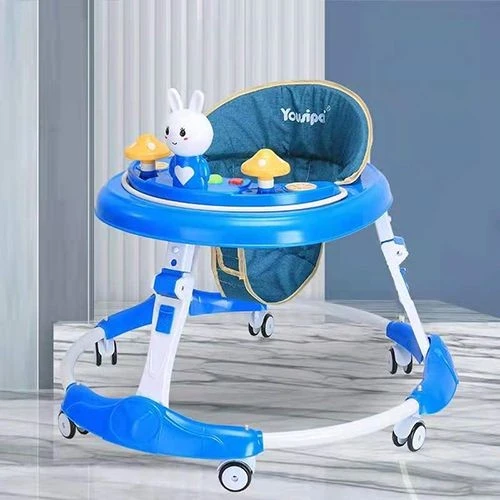
Let's kick things off with a general overview. Walker toys come in all shapes and sizes, from the 6 Month Walker, perfect for those tiny tots just starting to explore, to the Walker For 12 Month Old, which is more suitable for a more active and mobile baby. And then there's the ever - popular Infant Walker with Wheels, which gives babies that smooth gliding experience.
Cleaning Your Walker Toy
First up, cleaning is super important. Babies are messy little creatures, and their walker toys are bound to get dirty. Food crumbs, drool, and dirt from the floor can all find their way onto the toy.
For the seat and the fabric parts, you can usually remove the seat cover (check the instruction manual for specific details). Machine - wash it on a gentle cycle with mild detergent. This helps get rid of all those stains and bacteria that can build up over time. Make sure to let it dry completely before putting it back on.
The plastic parts of the walker can be wiped down with a damp cloth and a little bit of mild soap. Stay away from strong chemicals as they can damage the plastic and might be harmful to the baby if they come into contact with the toy later. Pay special attention to the nooks and crannies where dirt can accumulate, like around the wheels and under the tray.
Inspecting the Wheels
The wheels are a crucial part of any walker toy. They need to be in good working condition for the baby to have a safe and smooth ride.
Regularly check the wheels for any signs of wear and tear. If the wheels are starting to look rough or are losing their grip, it's a good idea to replace them. You can usually find replacement wheels at most baby product stores or on our official product website.
Also, make sure the wheels are firmly attached to the walker. Loose wheels can be a safety hazard as they might come off while the baby is using the toy. Simply give each wheel a little tug to check its stability. If it feels wobbly, tighten the screws or nuts (again, check the manual for the right tools).
Tightening Screws and Bolts
Over time, the constant movement of the baby in the walker can cause the screws and bolts to loosen up. This not only affects the overall stability of the toy but can also be dangerous.
Take a quick trip around the walker every couple of weeks and use a screwdriver or wrench (as required) to tighten any loose screws or bolts. Check around the frame, the seat support, and the parts where the wheels are attached. It doesn't take long, and it can prevent a major problem down the road.
Checking the Safety Features
Safety is our top priority when it comes to baby products. Walker toys usually come with a range of safety features, like brakes and harnesses.
Test the brakes regularly to make sure they work properly. Press down on the brakes and try to move the walker. If it doesn't budge, then the brakes are in good shape. If the walker still moves, there might be an issue, and you should contact our customer support team for guidance.
The harness is another important safety aspect. Make sure it's clean and in good condition. Check for any fraying or damage to the straps. If you notice any problems, replace the harness immediately.
Storage
When the baby isn't using the walker, proper storage is key. You don't want it to get damaged during storage.
If your walker is foldable, fold it up neatly and store it in a dry place. Avoid storing it in a damp basement or a place where it can be exposed to direct sunlight for long periods, as this can damage the plastic and fabric parts.
If possible, cover the walker with a dust - proof cover. This helps keep it clean and free from scratches.
Lubrication
Some parts of the walker, like the joints that allow the walker to fold or the axles of the wheels, might need a little lubrication from time to time.
Use a silicone - based lubricant to keep these parts moving smoothly. Just apply a small amount and work it into the joint or axle with your fingers or a small brush. This reduces friction and makes the walker easier to use and more durable.
Now, a little aside about why these maintenance tips are so important. By taking good care of your walker toy, you're not only ensuring its longevity but also the safety of your little one. A well - maintained walker is less likely to break down or cause an accident, giving you peace of mind.
If you have any questions about maintaining your Walker Toy or if you're interested in purchasing one, don't hesitate to reach out. We're always here to help with any concerns you may have. Whether you're a parent looking for a reliable walker for your baby or a retailer interested in stocking our products, we're ready to talk business.

So, let's get in touch and make sure your little ones have the best experience with our Walker Toys!
References
- General baby product safety guidelines provided by industry standards
- Walker toy instruction manuals