

Can a baby walker be used in a bathroom?
As a baby walker supplier, I often receive various inquiries from parents about the safe and appropriate use of baby walkers. One question that has come up more frequently than I expected is, "Can a baby walker be used in a bathroom?" This seemingly simple question actually delves into multiple aspects of baby safety, the functionality of baby walkers, and the unique environment of a bathroom. In this blog post, I'll explore this topic in detail to provide a comprehensive answer.
Understanding Baby Walkers
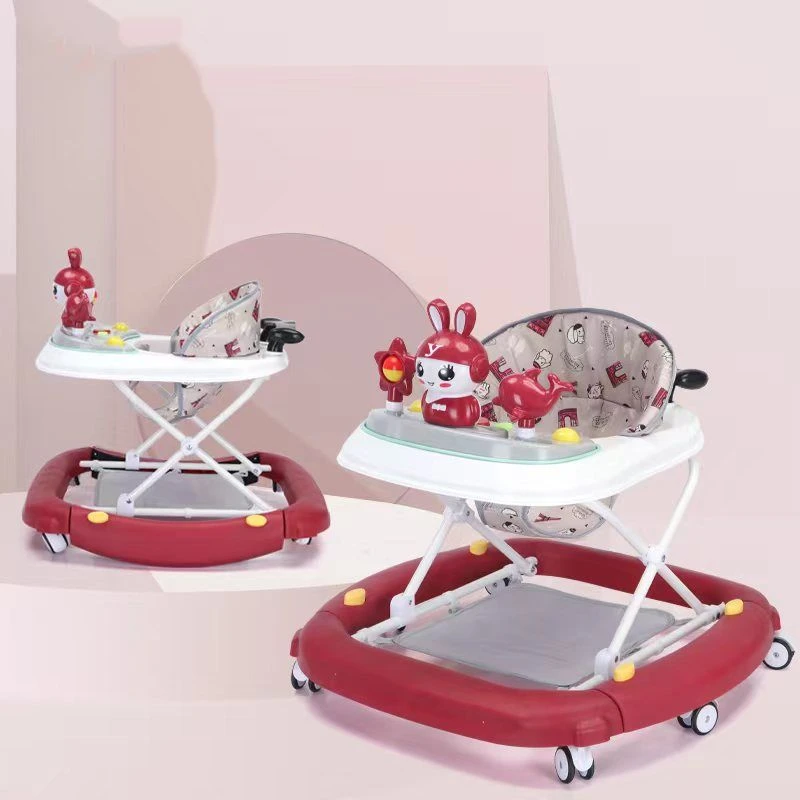
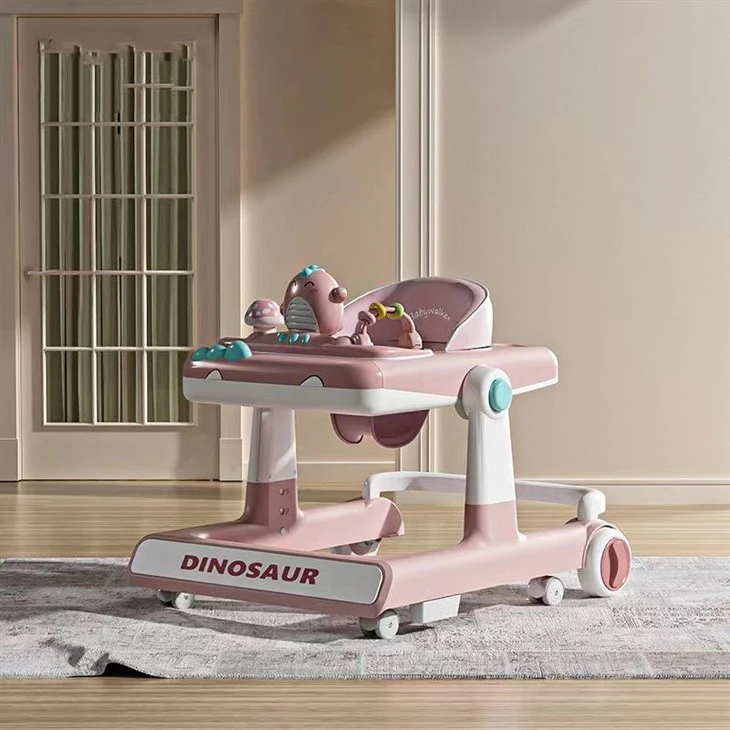
Before we discuss the use of baby walkers in the bathroom, it's essential to understand what baby walkers are and how they work. Baby walkers are devices designed to assist infants in learning to walk. They typically consist of a seat suspended within a frame with wheels, allowing babies to move around while being supported. There are different types of baby walkers available in the market, such as Infant Push Walker, Push Toy Walker, and Best Infant Walker. Each type has its own features and benefits, but they all share the common goal of helping babies develop their walking skills.
The Bathroom Environment
The bathroom is a unique and potentially hazardous environment for babies. It is filled with water, slippery surfaces, sharp objects, and various cleaning chemicals. Water is the most obvious danger in the bathroom. Even a small amount of water in a bathtub, sink, or toilet can pose a drowning risk to a baby. Slippery floors can cause falls, which may result in serious injuries such as head trauma or broken bones. Cleaning chemicals and other toxic substances can also be harmful if ingested or inhaled by a baby.
Why Using a Baby Walker in the Bathroom is a Bad Idea
Drowning Hazard
As mentioned earlier, water is a significant hazard in the bathroom. A baby in a walker can easily roll into a bathtub, sink, or toilet filled with water. Babies may not have the strength or coordination to get out of the water on their own, and drowning can occur within seconds. Even if the water level is low, a baby's face can still become submerged, leading to suffocation.
Slippery Surfaces
Bathroom floors are often slippery, especially when wet. A baby in a walker can easily lose control and fall on a slippery surface. The wheels of the walker may not provide enough traction, causing the walker to slide and potentially tip over. Falls in the bathroom can result in serious injuries, including head injuries, fractures, and bruises.
Exposure to Toxic Substances
Bathrooms are typically stocked with various cleaning chemicals, toiletries, and medications. A curious baby in a walker may be able to reach these substances and accidentally ingest or touch them. Many cleaning chemicals and medications can be toxic to babies, even in small amounts. Ingestion of these substances can cause vomiting, diarrhea, respiratory problems, and in severe cases, organ damage or death.
Entrapment and Pinching
Bathrooms may have narrow spaces, such as between the toilet and the wall or under the sink, where a baby in a walker can become entrapped. The baby's body or limbs may get caught in these spaces, leading to injuries such as bruises, cuts, or even more severe entrapment injuries. Additionally, the moving parts of the walker, such as the wheels or hinges, can pose a pinching hazard to a baby's fingers or toes.
Safe Alternatives
Instead of using a baby walker in the bathroom, there are several safe alternatives that parents can consider.
Supervised Play
The best way to ensure a baby's safety in the bathroom is to supervise the baby closely at all times. Parents can hold the baby in their arms while using the bathroom or place the baby in a safe, secure location, such as a playpen or a high chair, within sight. This way, parents can quickly intervene if the baby is in danger.
Baby-Proofing
Parents can baby-proof the bathroom to reduce the risk of accidents. This includes installing safety locks on cabinets to prevent access to cleaning chemicals and medications, covering sharp edges and corners with padding, and using non-slip mats on the floor. By creating a safe environment, parents can minimize the potential hazards in the bathroom.
Alternative Play Areas
Parents can provide the baby with alternative play areas outside of the bathroom. For example, they can set up a playroom or a designated play area in the living room with age-appropriate toys and activities. This allows the baby to play and explore in a safe and supervised environment.
Conclusion
In conclusion, using a baby walker in the bathroom is not recommended due to the numerous safety hazards it presents. The bathroom environment is filled with water, slippery surfaces, toxic substances, and potential entrapment risks, which can pose a serious threat to a baby's safety. Instead, parents should opt for supervised play and baby-proofing the bathroom to ensure their baby's safety.
As a baby walker supplier, I am committed to providing parents with high-quality and safe baby walkers. Our Infant Push Walker, Push Toy Walker, and Best Infant Walker are designed with the latest safety features to help babies learn to walk in a safe and comfortable environment. If you are interested in purchasing a baby walker or have any questions about our products, please feel free to contact us for further discussion and procurement negotiation.
References
- American Academy of Pediatrics. (2019). Policy Statement - Infant Walkers. Pediatrics, 144(6), e20192539.
- Centers for Disease Control and Prevention. (2020). Drowning Prevention. Retrieved from https://www.cdc.gov/homeandrecreationalsafety/water-safety/waterinjuries-factsheet.html
- Consumer Product Safety Commission. (2021). Baby Walkers. Retrieved from https://www.cpsc.gov/Products/Toys/Baby-Walkers