

Can a doll pram walker be used on a beach?
As a supplier of Doll Pram Walkers, I often receive various inquiries from customers about the versatility and usability of our products. One question that has come up quite frequently is, "Can a doll pram walker be used on a beach?" In this blog post, I'll delve into the factors to consider when using a doll pram walker on the beach, both from a practical and safety perspective, and offer some guidance based on our extensive knowledge of these products.
The Beach Environment
The beach is a unique environment, characterized by soft sand, uneven terrain, saltwater, and strong sunlight. Each of these elements presents distinct challenges and considerations when using a doll pram walker.

Sand
Sand, especially on a beach, is soft and can shift easily under the wheels of a doll pram walker. When the wheels sink into the sand, it can become difficult to push the walker forward, as the resistance from the sand is much greater than that of a hard surface like pavement or a wooden floor. The type of sand also matters; fine, powdery sand will cause more issues than coarse, packed sand. If you're planning to use the doll pram walker on the beach, you might find yourself exerting a lot more effort to move it, and there's also a risk of the wheels getting stuck frequently.
Uneven Terrain
Beaches are not always flat. There could be dunes, ridges, and holes, which pose a risk of the doll pram walker tipping over. These uneven surfaces can be particularly challenging for younger children who may not have the balance and coordination to stay upright if the walker suddenly encounters an obstruction. Moreover, the shocks and vibrations from pushing the walker over uneven ground can potentially damage the structure of the doll pram walker over time.
Saltwater and Sunlight
Saltwater is corrosive, and if it splashes onto the doll pram walker, it can cause rusting, especially on the metal parts. This can weaken the structure and reduce the lifespan of the product. Similarly, prolonged exposure to strong sunlight can fade the colors of the fabric and plastic components and may also cause the materials to become brittle.
Compatibility of Doll Pram Walkers with the Beach
Not all doll pram walkers are created equal, and some are better suited for the beach environment than others.
Wheel Design
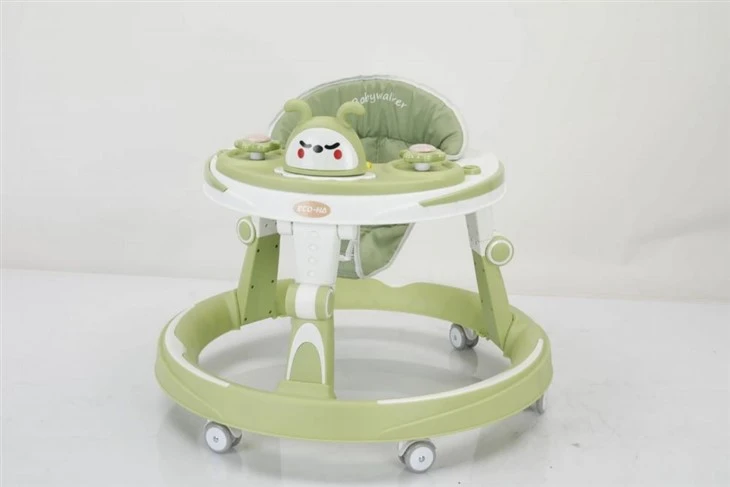
The design of the wheels plays a crucial role in determining whether a doll pram walker can be used on the beach. Larger, wider wheels with deep treads are more suitable for sandy surfaces. They distribute the weight of the walker and the child more evenly, reducing the likelihood of the wheels sinking into the sand. The deep treads provide better traction, allowing the walker to move more smoothly over the soft sand. For example, our Pram Walker is equipped with large, all - terrain wheels that are designed to handle a variety of surfaces, including sand.
Sturdiness and Durability
A doll pram walker used on the beach needs to be sturdy and durable. It should be able to withstand the shocks from uneven terrain and the corrosive effects of saltwater. Look for walkers made from high - quality materials that are resistant to rust and fading. Our products are constructed with robust frames and high - grade plastics and fabrics that are built to last, even in challenging environments.
Safety Features
Safety is of utmost importance, especially on the beach where there are additional hazards. A good doll pram walker should have reliable brakes to prevent it from rolling away on the slope of the beach. It should also have a stable base to minimize the risk of tipping over. Our Walker for 6 Month Old is designed with multiple safety features, including a secure braking system and a wide, stable base.
Tips for Using a Doll Pram Walker on the Beach
If you decide to use a doll pram walker on the beach, here are some tips to ensure a safe and enjoyable experience.
Choose the Right Time
Avoid the peak heat of the day to prevent your child from overheating. Early morning or late afternoon is usually the best time to go to the beach. The sand is also likely to be more compact during these times, making it easier to push the walker.
Stick to the Hard - Packed Sand
Try to stay on the hard - packed sand near the water's edge. This area is generally flatter and offers less resistance to the wheels of the walker. However, be cautious of the incoming tide, as it can rise quickly and flood the area.
Protect the Walker
After use on the beach, rinse the doll pram walker thoroughly with fresh water to remove any salt and sand. Dry it completely to prevent rusting. You may also want to store the walker in a cool, dry place when not in use.
Advantages of Using a Doll Pram Walker on the Beach
Despite the challenges, there are also some advantages to using a doll pram walker on the beach.
Mobility
A doll pram walker allows your child to move around the beach more freely. They can explore the sand, collect seashells, and enjoy the ocean view without having to be carried all the time. This can enhance their beach experience and make it more fun for them.
Social Interaction
Walking around in a doll pram walker can also encourage social interaction. Your child may meet other children on the beach, which can help develop their social skills.
Conclusion
So, can a doll pram walker be used on a beach? The answer is yes, but with some considerations. By choosing a suitable doll pram walker, following the tips mentioned above, and taking proper care of the product, you can safely use a doll pram walker on the beach.
If you're interested in purchasing a high - quality doll pram walker that is suitable for various environments, including the beach, we'd love to hear from you. Our Walker Stroller is one of our top - selling products, designed with the latest features and high - quality materials. Feel free to contact us for more information or to start a purchase negotiation. We're committed to providing the best products and services to our customers.
References
- "Beach Safety Guidelines for Children", National Safety Council
- "Materials and Design in Baby Walker Manufacturing", Journal of Child Product Engineering