

Can an infant walker be used for a baby with a sensory processing disorder?
Hey there, fellow parents! As an Infant Walker supplier, I get tons of questions from worried moms and dads, especially when it comes to using our products for babies with special needs. One question that pops up a lot is, "Can an infant walker be used for a baby with a sensory processing disorder?" Let's dig into this topic and find out.
First off, let's understand what sensory processing disorder (SPD) is. It's a condition where the brain has trouble receiving and responding to information that comes in through the senses. Babies with SPD might be oversensitive or undersensitive to things like touch, sound, sight, taste, and movement. This can make everyday activities a real challenge for them.
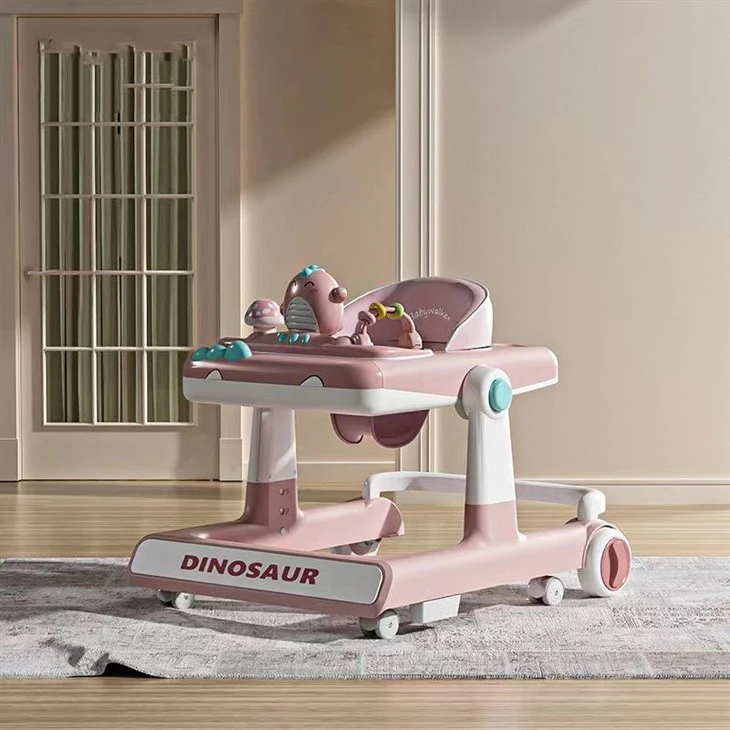
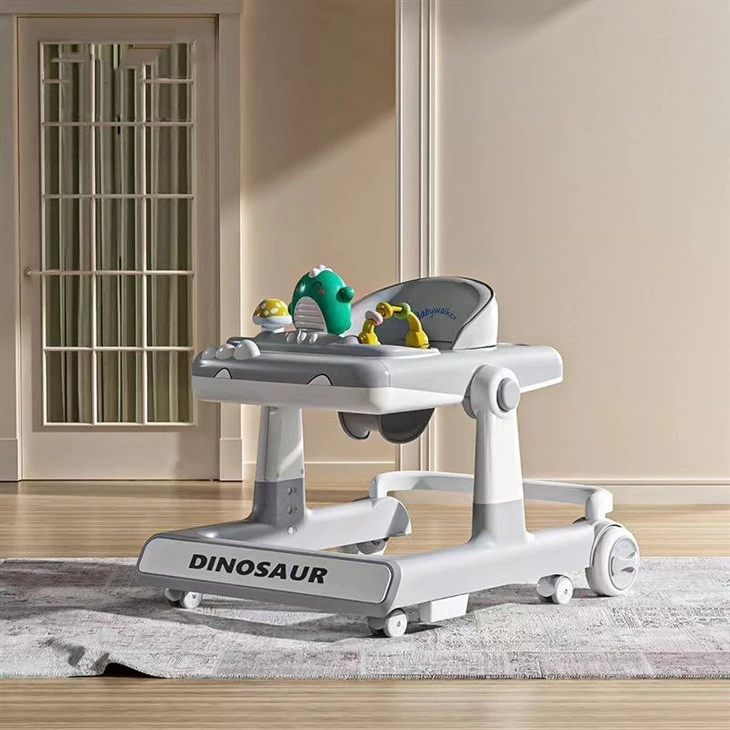
Now, let's talk about infant walkers. An Infant Walker is a device that helps babies move around before they can walk on their own. It usually has a seat suspended in a frame with wheels, allowing the baby to push themselves forward with their feet. We also have Pushchair Walker and Infant Push Walker options, which offer different ways for babies to learn and practice walking.
So, can an infant walker be a good fit for a baby with SPD? Well, it depends on a few things.
The Positive Side
For some babies with SPD, an infant walker can actually be beneficial. Movement is a great way to stimulate the senses, and the freedom of movement that an infant walker provides can be really helpful. Here's how:
1. Vestibular Stimulation
The vestibular system is responsible for our sense of balance and spatial orientation. When a baby moves around in an infant walker, it gives their vestibular system a good workout. For babies who are undersensitive to movement, this can be a great way to get their system "warmed up." The forward and backward motion, as well as the turns, can help them better understand their body's position in space.
2. Proprioceptive Input
Proprioception is our sense of where our body parts are in relation to each other. When a baby uses their legs to push the walker forward, it provides proprioceptive input. This can be especially helpful for babies with SPD who may have trouble with body awareness. It's like giving their brain a better map of their body.
3. Sensory Exploration
Infant walkers allow babies to explore their environment in a new way. They can reach for different objects, feel different textures, and see things from a new perspective. This sensory exploration can be really beneficial for babies with SPD, as it helps them learn to process different types of sensory information.
The Negative Side
On the other hand, there are also some potential issues to consider when using an infant walker for a baby with SPD.
1. Overstimulation
Some babies with SPD are oversensitive to sensory input. The movement, the noise of the wheels, and the new visual stimuli that come with using an infant walker can be overwhelming for them. This can lead to distress, crying, and even more sensory processing problems in the long run.
2. Posture and Muscle Development
There's a concern that infant walkers may not promote proper posture and muscle development. Babies with SPD may already have some muscle tone issues, and using an infant walker for too long or in the wrong way could exacerbate these problems. For example, if a baby is constantly in a seated position in the walker, it may not encourage the development of the core muscles needed for proper walking.
3. Dependency
There's a risk that a baby may become too dependent on the infant walker. This can be a problem for babies with SPD, as they may need to learn to move and explore in different ways to improve their sensory processing. If they rely too much on the walker, they may miss out on other important developmental experiences.
What to Consider Before Using an Infant Walker
If you're thinking about using an infant walker for your baby with SPD, here are some things to keep in mind:
1. Consult a Professional
Before you make any decisions, it's a good idea to talk to your pediatrician, a physical therapist, or an occupational therapist. They can evaluate your baby's specific needs and give you personalized advice. They may also be able to recommend modifications to the walker or other strategies to make it a safer and more beneficial experience for your baby.
2. Start Slow
If you do decide to try an infant walker, start slowly. Let your baby spend just a few minutes in the walker at a time and gradually increase the duration as they get more comfortable. Pay close attention to their reactions. If they seem stressed or overwhelmed, stop and try again later.
3. Choose the Right Type of Walker
Not all infant walkers are created equal. Consider the features of the walker and how they may affect your baby's sensory processing. For example, a walker with soft wheels may be less noisy and more comfortable for a baby who is sensitive to sound. Our Infant Push Walker may be a good option for babies who need more control over their movement.
4. Supervise at All Times
Never leave your baby unattended in an infant walker. This is important for all babies, but especially for those with SPD. You need to be there to monitor their behavior, make sure they're using the walker safely, and intervene if necessary.
Conclusion
So, can an infant walker be used for a baby with a sensory processing disorder? The answer is maybe. It has the potential to be a helpful tool for some babies, but it's not a one-size-fits-all solution. You need to carefully consider your baby's individual needs, consult with professionals, and take things slow.
If you're interested in learning more about our Infant Walker, Pushchair Walker, or Infant Push Walker products and how they might work for your baby, don't hesitate to reach out. We're here to help you make the best decision for your little one. Let's start a conversation and see if our products are the right fit for your family.
References
American Academy of Pediatrics. (2011). Policy statement: Infant walkers. Pediatrics, 128(6), 1197-1203.
Ayres, A. J. (1972). Sensory integration and learning disorders. Los Angeles: Western Psychological Services.