

Can I ride an electric bike in the rain?
Riding an electric bike in the rain is a question that many cyclists, especially those considering an electric bike purchase, often ask. As a supplier of high - quality electric bikes, I've encountered this query numerous times from potential customers. In this blog, I'll delve into the topic, examining the feasibility, risks, and precautions of riding an electric bike in the rain.
Feasibility of Riding an Electric Bike in the Rain
First and foremost, it's important to understand that most modern electric bikes are designed to withstand some level of moisture. Manufacturers typically take into account the various weather conditions that riders may encounter, including light rain. The electrical components of an electric bike, such as the motor, battery, and controller, are usually enclosed in protective casings to prevent water from seeping in easily.
For instance, our Folding Fat Tyre Bike City is built with a robust frame and well - sealed electrical parts. The fat tyres provide excellent traction on wet surfaces, which is crucial when riding in the rain. This bike is a great option for urban commuters who may need to brave the elements on their way to work or run errands.
Similarly, the Fat Tire Electric Mountain is designed for more adventurous riders. It has enhanced water - resistance features, allowing it to handle wet trails during a light drizzle or even a short downpour. The large, wide tyres not only offer stability but also help disperse water, reducing the risk of hydroplaning.
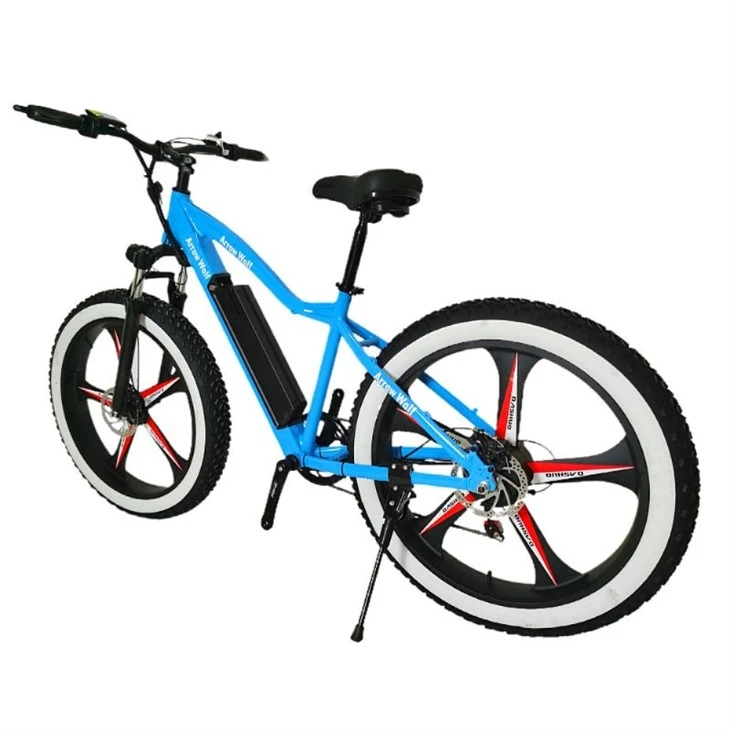
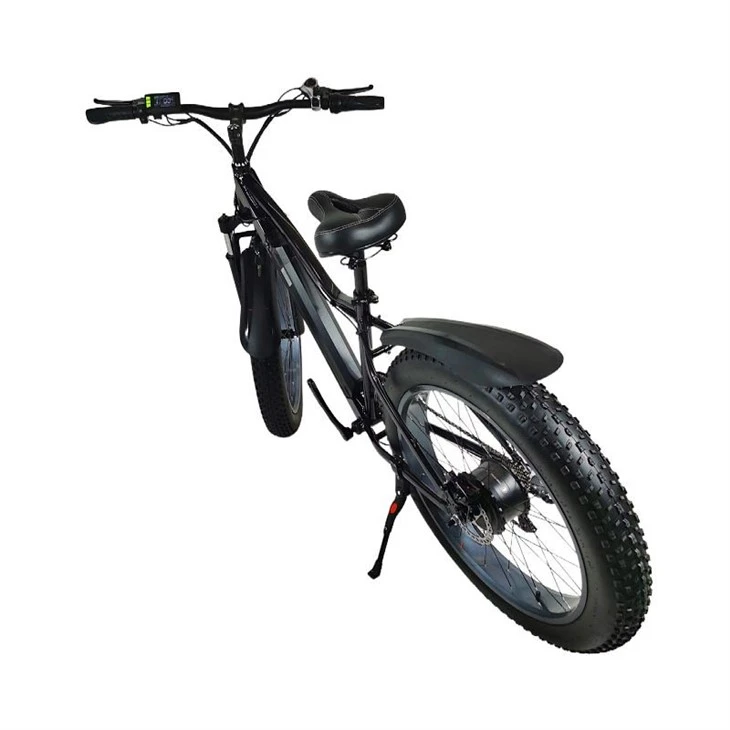
However, it's important to note that the level of water resistance can vary from one electric bike model to another. Some budget - friendly models may have less effective waterproofing, making them more vulnerable to water damage. Therefore, when choosing an electric bike for rainy conditions, it's advisable to opt for a model from a reputable manufacturer with a proven track record in waterproofing.
Risks Associated with Riding an Electric Bike in the Rain
While it's possible to ride an electric bike in the rain, there are several risks that riders need to be aware of. One of the most significant risks is water damage to the electrical components. If water manages to penetrate the protective casings of the motor, battery, or controller, it can cause short - circuits, corrosion, and ultimately, permanent damage to the bike.
Another risk is reduced visibility. Rain can make it difficult for riders to see clearly, as well as for other road users to spot them. This increases the likelihood of accidents, especially at intersections or when changing lanes. Additionally, wet roads reduce the friction between the tyres and the road surface, which can lead to longer braking distances and a higher risk of skidding.
The 26 Inch Electric Bike is a popular choice for many riders. However, when riding it in the rain, riders need to be extra cautious due to the reduced traction. The smaller tyres may not disperse water as effectively as fat tyres, increasing the risk of hydroplaning.
Precautions for Riding an Electric Bike in the Rain
If you decide to ride your electric bike in the rain, there are several precautions you can take to minimize the risks. First, make sure your bike is properly maintained. Check the seals around the electrical components regularly to ensure they are intact. You can also apply a waterproof lubricant to the chain and other moving parts to prevent rust and corrosion.
Invest in high - quality rain gear. A good waterproof jacket and pants will keep you dry and comfortable, while also improving your visibility on the road. Consider wearing reflective clothing or attaching reflective tape to your bike to make yourself more visible to other road users.
When riding in the rain, reduce your speed and increase your following distance. This will give you more time to react to unexpected situations and reduce the risk of skidding. Use your brakes gently and avoid sudden stops, as this can cause the wheels to lock up and lead to a loss of control.
After riding in the rain, dry your bike thoroughly. Use a clean, dry cloth to wipe down the frame, electrical components, and tyres. Pay special attention to the areas around the battery and motor. If possible, store your bike in a dry place to prevent further moisture damage.
When to Avoid Riding in the Rain
While it's generally safe to ride an electric bike in light rain, there are certain conditions when it's best to avoid riding altogether. Heavy rain, thunderstorms, or flooding pose significant risks to both the rider and the bike. In heavy rain, visibility is severely reduced, and the risk of water damage to the electrical components is much higher. Thunderstorms bring the danger of lightning strikes, which can be life - threatening. Flooded roads can submerge the bike's electrical components, causing irreparable damage.
Conclusion
In conclusion, riding an electric bike in the rain is possible, but it comes with its own set of risks. As an electric bike supplier, I always recommend that riders take the necessary precautions to ensure their safety and the longevity of their bikes. When choosing an electric bike, consider models with good water - resistance features, such as the Folding Fat Tyre Bike City, Fat Tire Electric Mountain, and 26 Inch Electric Bike.
If you're interested in purchasing an electric bike that can handle various weather conditions, I encourage you to reach out to us. We have a wide range of high - quality electric bikes to suit different needs and budgets. Our team of experts is always ready to assist you in finding the perfect bike for your riding style and requirements. Whether you're a daily commuter or an adventure seeker, we have the right electric bike for you. Contact us today to start your journey towards a more eco - friendly and enjoyable mode of transportation.
References
- Electric Bike Safety Guide, National Highway Traffic Safety Administration
- Water - Resistance in Electric Bikes, Journal of Cycling Technology
- Riding in Wet Conditions, Cycling Weekly Magazine