

Can I use a pushchair walker for a premature baby?
Hey there, fellow parents and caregivers! I'm a supplier of pushchair walkers, and I often get asked this burning question: "Can I use a pushchair walker for a premature baby?" It's a super important topic, so let's dig in and find out the ins and outs.
First off, let's understand what a premature baby is. A premature baby is one who's born before the 37th week of pregnancy. These little ones are often smaller and less developed than full - term babies. Their bones, muscles, and nervous systems are still in the process of maturing.
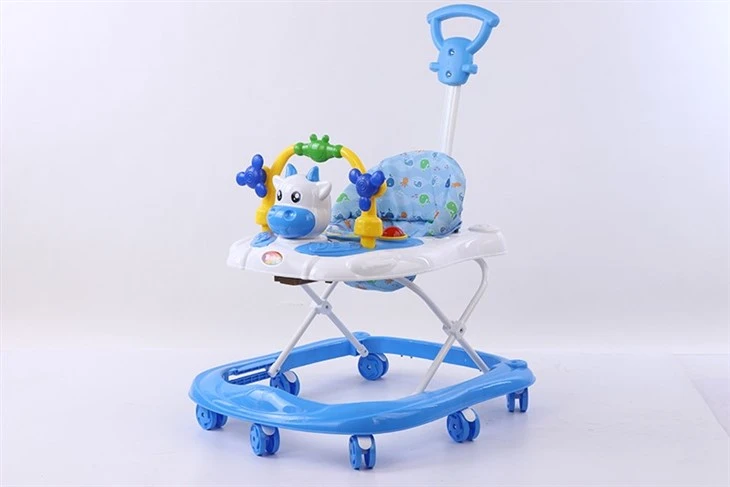
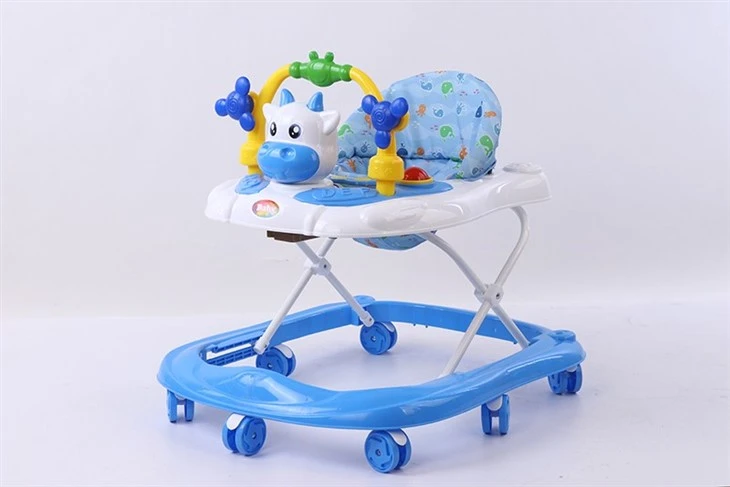
Pushchair walkers, like the ones we offer, come in different types. We've got the Infant Activity Walker, which is filled with all sorts of fun activities to keep your baby engaged while they learn to move around. Then there's the Infant Walker, a more basic yet reliable option for your baby's first steps. And if you're looking for something suitable for a 6 - month - old, check out our Walker for 6 Month Old.
Now, getting back to the main question. Using a pushchair walker for a premature baby isn't a straightforward yes or no answer. There are a few factors we need to consider.
Physical Development
Premature babies usually have a delayed physical development compared to full - term babies. Their muscles might not be strong enough to support their body weight in a walker. For example, they may not have the neck control needed to sit upright properly in the walker. If the baby can't hold their head steady, it can be dangerous as they might slump forward and block their airway.
Also, their leg muscles might not be developed enough to push off the ground and move the walker. In a normal situation, a full - term baby starts to show signs of wanting to move around and use their legs at around 6 - 8 months. But a premature baby might reach this stage later, depending on how early they were born.
Safety Concerns
Safety is always our top priority. Pushchair walkers can move quickly, and a premature baby might not have the reflexes to stop themselves from crashing into things. They may also not be able to understand the concept of danger, like staying away from stairs or hot objects.
Another safety aspect is the fit of the walker. A premature baby is smaller, so the harness and seat of the walker need to fit them properly. If it's too big, the baby can slip out, and if it's too small, it can be uncomfortable and restrict their movement.
Doctor's Advice
Before you even think about using a pushchair walker for your premature baby, it's crucial to consult your pediatrician. The doctor will have a clear picture of your baby's development and can give you personalized advice. They'll consider factors like the baby's corrected age (which takes into account the premature birth), muscle strength, and overall health.
If the doctor gives the green light, that's great! But they might also give you some guidelines on how to use the walker safely. For example, they might recommend limiting the time your baby spends in the walker each day.
Benefits of Using a Pushchair Walker (if appropriate)
If your premature baby is ready for a pushchair walker, there are some benefits. It can help them develop their leg muscles as they push against the ground to move. It also gives them a sense of independence as they can explore their surroundings on their own. And let's not forget the fun factor! The activities in some walkers can stimulate their senses and cognitive development.
How to Introduce a Pushchair Walker to a Premature Baby
If your doctor says it's okay to use a pushchair walker, here are some steps to introduce it to your baby.
- Start Slowly: Don't just plop your baby into the walker and let them go wild. Start by letting them sit in the walker for a few minutes at a time, with you right by their side. This helps them get used to the feeling of being in the walker.
- Adjust the Settings: Make sure the height of the walker is adjusted correctly so that the baby's feet can touch the ground comfortably. You might need to adjust it as your baby grows.
- Provide Support: In the beginning, hold onto the walker or your baby to give them some support as they start to move. This helps build their confidence.
Monitoring Your Baby
Once your premature baby starts using the pushchair walker, keep a close eye on them. Watch for any signs of discomfort, like crying or fussing. Also, observe their movement. If they seem to be struggling or not using their legs properly, it might be a sign that they're not ready.
And remember, even if your baby is using a walker, they still need plenty of tummy time and floor play to develop their overall strength and coordination.
Making the Right Choice
As a pushchair walker supplier, I understand that you want the best for your premature baby. That's why we offer a range of high - quality walkers that are designed with safety and comfort in mind. But we also know that every baby is different, and what works for one might not work for another.
So, take your time, consult your doctor, and make an informed decision. If you have any questions about our products or need more advice on using a pushchair walker for a premature baby, don't hesitate to reach out. We're here to help you make the right choice for your little one.
If you're interested in purchasing a pushchair walker for your baby, whether premature or full - term, we're more than happy to have a chat about your needs. We can discuss the different models, features, and pricing. Just drop us a line, and we'll start the conversation. Let's work together to give your baby a safe and fun way to explore the world!
References
- American Academy of Pediatrics. (Year). Guidelines for Infant and Toddler Development.
- World Health Organization. (Year). Premature Birth: Care and Development.
- Baby Development Journal. (Year). Using Mobility Aids for Premature Infants.