

Do baby walkers require batteries?
Do baby walkers require batteries? Well, that's a question I get asked a lot as a baby walker supplier. In this blog, I'll dive into the ins and outs of baby walkers and whether they need batteries.
First off, let's talk about what baby walkers are. Baby walkers are devices designed to help infants learn to walk. They typically consist of a seat suspended in a frame with wheels, allowing the baby to move around while being supported. There are different types of baby walkers on the market, and their battery requirements can vary.
Types of Baby Walkers
Manual Baby Walkers
Most basic baby walkers don't require batteries at all. These are the classic types that rely on the baby's own movement to roll around. The baby pushes their feet against the ground, and the wheels on the walker allow them to move forward, backward, and turn. These manual baby walkers are simple, durable, and often more affordable. They're a great option for parents who want a straightforward solution for their little ones to start exploring their mobility. For example, our Infant Walker with Wheels is a manual walker that provides a safe and stable environment for babies to practice walking. It has smooth - rolling wheels and a comfortable seat, and since it doesn't need batteries, there's no hassle with charging or replacing them.
Battery - Powered Baby Walkers
On the other hand, there are baby walkers that do require batteries. These high - tech walkers often come with additional features that are powered by electricity. Some battery - powered baby walkers have built - in music players. When the baby moves, it triggers the music, which can be a fun and motivating factor for the little one. Others may have lights that flash or interactive toys that make sounds. These extra features can enhance the baby's walking experience and keep them entertained. Our Childrens Walkers line includes some models with battery - operated features. They're designed to not only help with walking but also stimulate the baby's senses with sounds and lights.
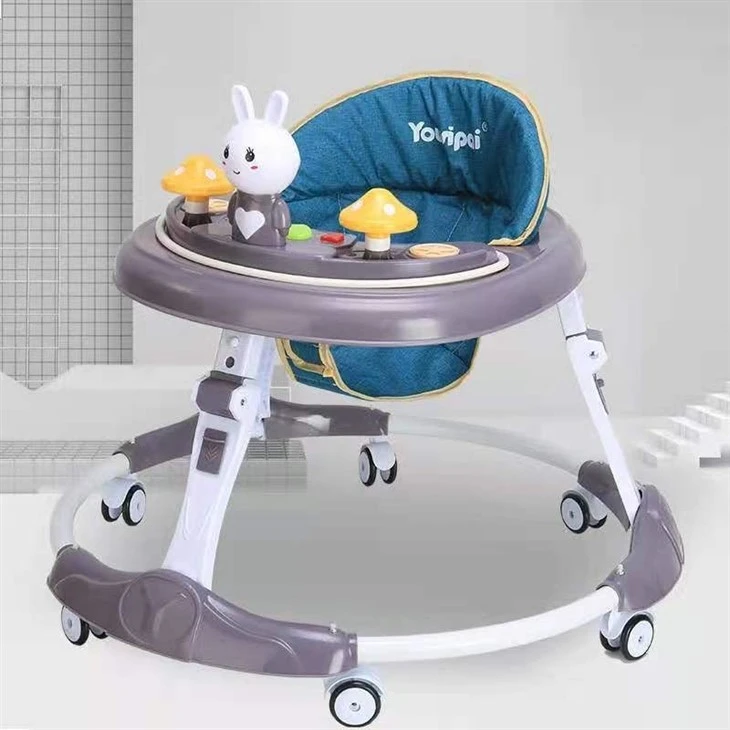

Pushchair Walkers
Then there's the Pushchair Walker. This type can be either manual or battery - powered. Manual pushchair walkers are great for parents who want to guide their baby while they're learning to walk. The parent can hold onto the handle and control the speed and direction. Battery - powered pushchair walkers may have features like automatic braking or adjustable speed settings. For instance, if the baby starts to move too fast, the battery - powered system can slow them down, adding an extra layer of safety.
Pros and Cons of Battery - Powered Baby Walkers
Pros
- Entertainment Value: As I mentioned earlier, the added features like music and lights can keep the baby engaged. This can make the walking experience more enjoyable for the baby, which may encourage them to practice walking more often.
- Safety Features: Some battery - powered walkers have advanced safety features. For example, sensors can detect when the baby is approaching an obstacle and automatically stop the walker. This can give parents peace of mind, especially when they can't be right next to the baby at all times.
Cons
- Battery Maintenance: One of the biggest drawbacks is the need for battery maintenance. You have to keep buying new batteries or make sure to charge rechargeable ones regularly. If the batteries run out at an inconvenient time, the extra features won't work, and it can be frustrating for both the baby and the parents.
- Cost: Battery - powered baby walkers are usually more expensive than manual ones. The cost of the additional technology and features is reflected in the price. So, if you're on a tight budget, a manual walker might be a better choice.
Factors to Consider When Choosing a Baby Walker
- Baby's Age and Development: Younger babies may not need all the fancy features of a battery - powered walker. A simple manual walker is usually sufficient for them to start getting used to the movement. As the baby gets older and more active, they might enjoy the extra entertainment of a battery - powered walker.
- Budget: If you're looking to save money, a manual walker is the way to go. But if you can afford it and want the added features, a battery - powered walker could be worth the investment.
- Safety: No matter which type of walker you choose, safety should be your top priority. Look for walkers that meet safety standards, have a wide base for stability, and are made of non - toxic materials.
In conclusion, whether a baby walker requires batteries depends on the type of walker you choose. Manual walkers are simple, affordable, and don't need any batteries. Battery - powered walkers offer more features but come with the added hassle of battery maintenance and a higher cost. As a baby walker supplier, I'm here to help you make the best choice for your little one. If you're interested in our range of baby walkers, whether it's a manual or battery - powered one, I encourage you to reach out for a procurement discussion. We can talk about the different models, features, and prices to find the perfect baby walker for your family.
References
- American Academy of Pediatrics guidelines on baby walkers
- Consumer Reports on baby walker safety and features