

How do I troubleshoot common problems with my electric bike?
As a supplier of electric bikes, I've encountered a wide range of issues that riders face with their e - bikes. Troubleshooting these common problems is essential to ensure a smooth and enjoyable riding experience. In this blog, I'll share some practical tips on how to troubleshoot the most prevalent issues with electric bikes.
Battery - Related Problems
One of the most common problems with electric bikes is battery - related issues. The battery is the heart of an electric bike, and any malfunction can significantly affect its performance.
Battery Not Charging
If your electric bike's battery isn't charging, the first thing to check is the power source. Make sure the charger is properly plugged into a working electrical outlet. Sometimes, a loose connection can prevent the battery from charging. If the power source is fine, examine the charger itself. Look for any visible signs of damage, such as frayed wires or a cracked charger case. If the charger appears to be damaged, it should be replaced.
Another possible cause could be the battery itself. Over time, lithium - ion batteries, which are commonly used in electric bikes like the Lithium Battery Electric Bicycle, can degrade. If the battery is old or has been subjected to extreme temperatures, it may no longer hold a charge. In this case, you might need to replace the battery. It's important to use a battery that is compatible with your specific electric bike model.
Reduced Battery Life
If you notice that your battery is not lasting as long as it used to, there are several factors to consider. First, check your riding habits. Riding at high speeds, constantly using the throttle, or riding on hilly terrain can drain the battery more quickly. Try to pedal more and use the electric assist in a more efficient way.
Environmental conditions can also affect battery life. Cold weather can reduce the battery's capacity, so if you're riding in cold temperatures, you may experience shorter battery life. Storing the battery in a cool, dry place when not in use can help maintain its performance.
If these factors don't seem to be the cause, the battery may be nearing the end of its lifespan. Most lithium - ion batteries have a limited number of charge cycles. If you've had the battery for a long time and it has been charged and discharged many times, it might be time for a replacement.
Motor - Related Problems
The motor is another crucial component of an electric bike, and problems with it can make the bike difficult or impossible to ride.
Motor Not Working
If the motor isn't working at all, start by checking the electrical connections. Loose or corroded connections can prevent the motor from receiving power. Inspect the wires that connect the motor to the battery and the controller. Make sure they are securely attached and free of any damage.
The controller is the device that regulates the power sent to the motor. A faulty controller can cause the motor to stop working. If you suspect a problem with the controller, it's best to have it tested by a professional. In some cases, the controller may need to be replaced.
Another possible cause is a blown fuse. Electric bikes often have fuses to protect the electrical system from overloading. Check the fuse box and replace any blown fuses with the correct rating.
Motor Making Strange Noises
If your motor is making unusual noises, such as grinding, clicking, or whining, it could indicate a mechanical problem. First, check if there are any loose parts around the motor. A loose chain, belt, or pulley can cause noise. Tighten any loose components and make sure they are properly aligned.
If the noise persists, it could be a sign of internal motor damage. This is a more serious issue and may require professional repair. Continuing to ride the bike with a damaged motor can cause further damage and may be dangerous.
Brake - Related Problems
Brakes are essential for safety, and any problems with them should be addressed immediately.
Brakes Not Working Properly
If your brakes aren't stopping the bike effectively, start by checking the brake pads. Worn - out brake pads can reduce braking performance. If the brake pads are thin, they need to be replaced. Most electric bikes have disc brakes or rim brakes, and the replacement process may vary depending on the type of brake.
Next, check the brake cables. Loose or frayed cables can prevent the brakes from engaging properly. Adjust the tension of the cables if they are loose, and replace them if they are damaged.
For hydraulic brakes, check the fluid level. Low brake fluid can cause a loss of braking power. If the fluid level is low, you may need to bleed the brakes to remove any air bubbles and add more fluid.
Brakes Sticking
If the brakes are sticking, it can make the bike difficult to pedal and can also cause excessive wear on the brake pads and other components. This can be caused by a number of factors, such as a misaligned brake caliper, a sticky brake lever, or a problem with the brake cable housing.
To fix a sticking brake, start by checking the alignment of the brake caliper. Make sure it is centered over the brake disc or rim. If the brake lever is sticky, clean and lubricate it. If the problem persists, it may be necessary to replace the brake cable housing or the entire brake system.
Other Common Problems
Electrical Display Issues
Many electric bikes come with an electrical display that shows information such as speed, battery level, and distance traveled. If the display isn't working correctly, check the connections. Loose or damaged connections can cause the display to malfunction.
If the display is blank, it could be a problem with the power supply. Check if the display is properly connected to the battery or the controller. Sometimes, a simple reset of the display can fix the issue. Refer to the user manual for instructions on how to reset the display.
Chain and Gear Problems
A noisy or skipping chain can be a nuisance and can also affect the bike's performance. First, check the chain tension. A loose chain can cause it to skip or make noise. Adjust the chain tension according to the manufacturer's instructions.
If the chain is dirty or lubricated incorrectly, it can also cause problems. Clean the chain with a degreaser and then lubricate it with a high - quality bike chain lubricant. Make sure to apply the lubricant evenly and wipe off any excess.
For bikes with gears, shifting problems can occur. If the gears aren't shifting smoothly, it could be due to a misadjusted derailleur. Adjust the derailleur according to the bike's user manual or have it adjusted by a professional.
Conclusion
Troubleshooting common problems with your electric bike can save you time and money. By following these tips, you can often identify and fix issues on your own. However, if you're unsure about any aspect of the troubleshooting process or if the problem persists, it's always best to consult a professional bike mechanic.
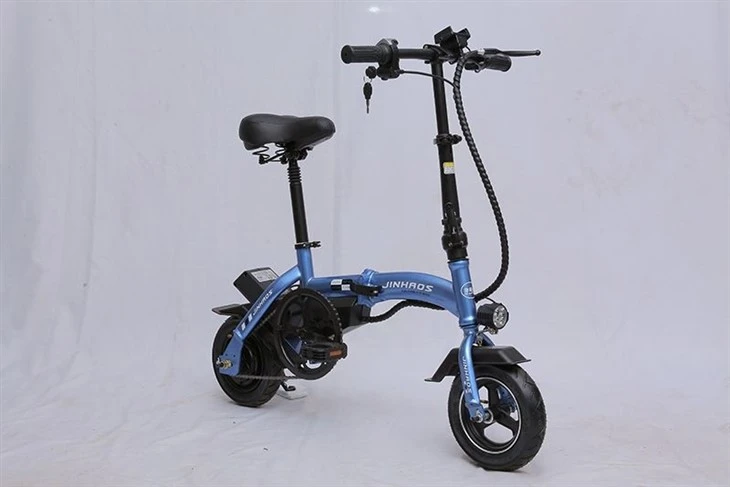
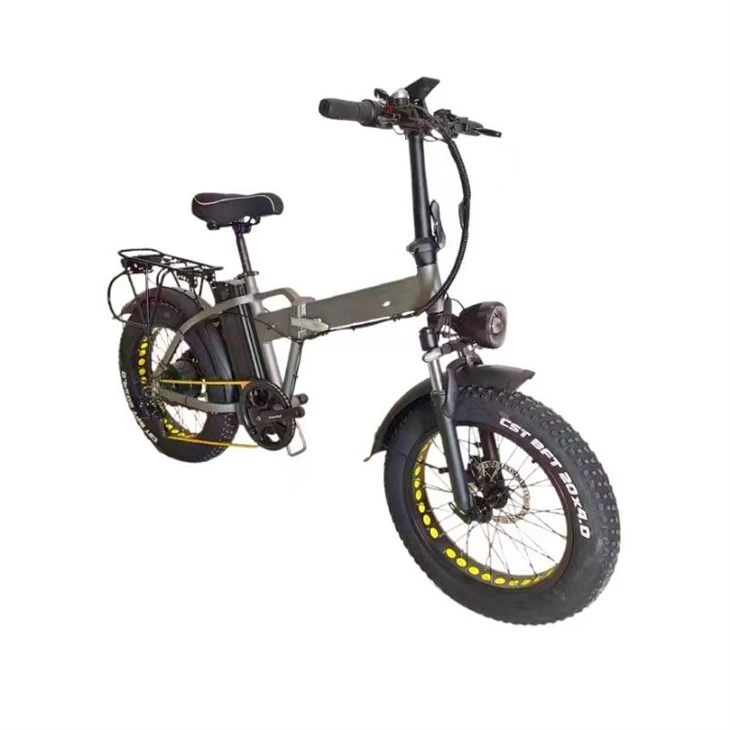
As an electric bike supplier, we are committed to providing high - quality products and excellent customer service. If you're experiencing problems with your electric bike or are interested in purchasing a new one, such as our Folding Electric Bike for Adults or Compact Electric Bike, feel free to reach out to us. We can assist you with troubleshooting, offer replacement parts, and help you find the perfect electric bike for your needs. Contact us today to start your electric bike journey!
References
- Bicycle Mechanics Handbook, various editions
- Manufacturer's user manuals for electric bikes and components