

How does a Push Toy Walker improve a child's motor skills?
A push toy walker is an invaluable tool in a child's early development, significantly enhancing their motor skills. As a supplier of high - quality push toy walkers, I've witnessed firsthand the positive impact these toys have on children's growth. In this blog, we'll explore how a push toy walker can improve a child's motor skills and why it's a must - have for parents.
Developing Gross Motor Skills
Gross motor skills involve the large muscles of the body, such as those in the legs, arms, and torso. When a child uses a push toy walker, they engage in activities that strengthen these muscles and improve their overall balance and coordination.
Strengthening Leg Muscles
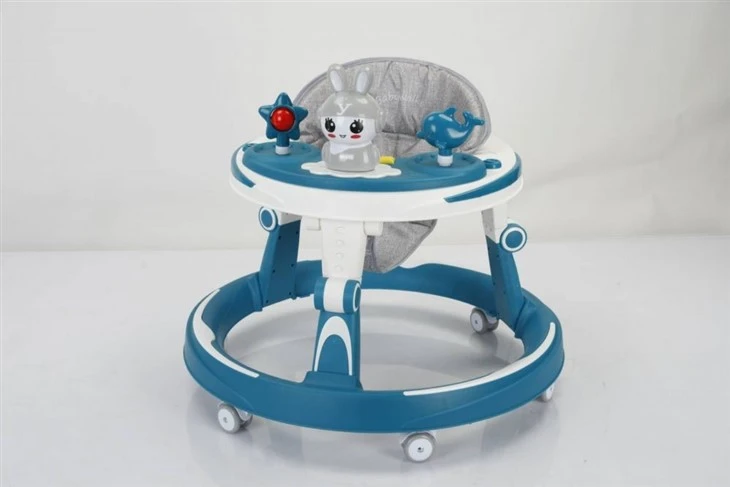
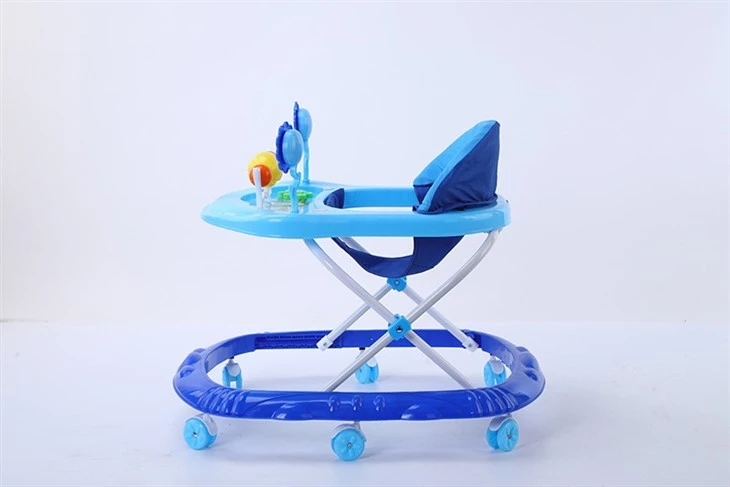
Walking is a complex motor skill that requires strong leg muscles. A push toy walker provides the support and stability that young children need as they begin to take their first steps. As they push the walker forward, they use their leg muscles to lift, move, and support their body weight. This repeated movement helps to build strength in the quadriceps, hamstrings, and calves. For example, when a child is learning to walk, they might start by using the walker to take small, unsteady steps. Over time, as their leg muscles get stronger, they can take longer and more confident strides.
Improving Balance and Coordination
Maintaining balance is crucial for walking. A push toy walker acts as a stabilizing force, allowing children to focus on coordinating their movements. As they push the walker, they must shift their weight from one leg to the other, which helps them develop a sense of balance. Additionally, they need to coordinate the movement of their arms and legs. For instance, they use their arms to push the walker forward while their legs move in a coordinated pattern to keep up. This integration of different muscle groups is essential for the development of good coordination.
Enhancing Fine Motor Skills
Fine motor skills involve the small muscles of the hands and fingers. Push toy walkers often come with various features that encourage the development of these skills.
Grasping and Manipulating
Most push toy walkers have handles that children need to grasp in order to push the walker. This simple act of grasping helps to strengthen the muscles in the hands and fingers. As children hold the handle, they learn to apply the right amount of pressure to maintain a firm grip. Some push toy walkers also have additional features like buttons, levers, or spinning wheels. When children interact with these features, they are further developing their fine motor skills. For example, pressing a button or turning a wheel requires precise finger movements and control.
Eye - Hand Coordination
The interaction with the different parts of the push toy walker also improves eye - hand coordination. Children need to visually locate the buttons, levers, or other features on the walker and then use their hands to manipulate them. This process of seeing an object and then using the hands to interact with it helps to strengthen the neural connections between the eyes and the hands. For instance, when a child sees a colorful button on the walker and reaches out to press it, they are practicing eye - hand coordination.
Cognitive and Social Development
The benefits of a push toy walker extend beyond just motor skills. It also plays a role in cognitive and social development, which in turn can have a positive impact on motor skill development.
Cognitive Development
Exploring a push toy walker stimulates a child's curiosity and problem - solving skills. As they figure out how to make the different parts of the walker work, they are engaging in cognitive thinking. For example, if a walker has a musical feature that is activated by a certain action, the child will experiment to find out what that action is. This type of exploration helps to develop their cognitive abilities, which can then translate into better motor control. A child with better cognitive skills is more likely to understand how to use their body effectively to move the walker.
Social Development
Using a push toy walker can also be a social activity. Children can interact with other kids while using their walkers in a park or a play area. This social interaction encourages them to move around more, as they might chase after other children or try to keep up with them. The social motivation can enhance their motor skills as they become more active and engaged in physical movement.
Choosing the Right Push Toy Walker
As a supplier, I understand the importance of choosing the right push toy walker for your child. There are several factors to consider.
Age Appropriateness
It's crucial to select a push toy walker that is suitable for your child's age. For younger infants, an Infant Activity Walker might be more appropriate. These walkers are designed with features that are safe and engaging for very young children. As the child grows older, a Walker For 12 Month Old can provide more challenges and support for their developing motor skills.
Safety Features
Safety is always a top priority. Look for a push toy walker with stable wheels that won't tip over easily. The handle should be comfortable for your child to hold, and any small parts should be securely attached to prevent choking hazards.
Durability and Quality
A good push toy walker should be made of high - quality materials that can withstand the wear and tear of a child's active play. A durable walker will last longer and provide more value for your money.
Conclusion
In conclusion, a push toy walker is an excellent investment for a child's development. It offers numerous benefits in terms of improving both gross and fine motor skills, as well as contributing to cognitive and social development. As a supplier of Walker Toy, I am committed to providing parents with high - quality push toy walkers that meet the needs of their children.
If you're interested in purchasing push toy walkers for your store or for personal use, I encourage you to reach out for a procurement discussion. We can talk about the different models, pricing, and customization options available.
References
- Berk, L. E. (2018). Development through the lifespan. Pearson.
- Campos, J. J., Bertenthal, B. I., & Kermoian, R. (1992). Early experience and emotional development: The emergence of wariness of heights. Psychological Science, 3(2), 61 - 64.
- Piaget, J. (1952). The origins of intelligence in children. International Universities Press.