

How does hot weather affect the performance of an electric bike?
Hot weather can have a significant impact on the performance of an electric bike, and as an electric bike supplier, I've seen firsthand how these effects can vary. In this blog, I'll break down the ways hot weather affects e - bikes and offer some tips on how to deal with them.
Battery Performance
One of the most crucial components of an electric bike is its battery, and hot weather can take a toll on it. Lithium - ion batteries, which are commonly used in e - bikes, are sensitive to temperature. When the outside temperature rises, the chemical reactions inside the battery speed up. This might seem like a good thing at first, as it can potentially lead to more power output in the short term. But in the long run, it's not beneficial.
High temperatures cause the battery's electrodes to degrade faster. The electrolyte in the battery can also break down, leading to a decrease in battery capacity over time. So, if you're constantly riding your electric bike in hot weather, you'll notice that the battery won't hold a charge as long as it used to.
For example, a brand - new battery might give you a range of 50 miles on a normal day. But in extremely hot weather, say above 90°F (32°C), that range could drop to 40 miles or even less. This is a real concern for our customers, especially those who rely on their e - bikes for daily commutes. We carry a variety of electric bikes, like the Electric Mountain Bikes for Adults, and ensuring that the battery performance is optimal is our top priority.
Motor Efficiency
The motor of an electric bike also feels the heat. Electric motors generate heat while they're running, and hot external temperatures add to this heat load. When the motor gets too hot, its efficiency decreases.
Normally, an e - bike motor converts electrical energy into mechanical energy quite efficiently. But in hot weather, more energy is lost as heat. This means that the motor has to work harder to produce the same amount of power. As a result, the battery drains faster because the motor is consuming more electricity to overcome the heat - related inefficiencies.
For instance, if you're riding an 14 Inch Portable and Foldable Electric Bike up a hill on a cool day, the motor can handle the task with relative ease. But on a sweltering summer day, you might notice that the bike struggles a bit more, and the battery indicator drops faster.
Tire Pressure and Wear
Tires are another part of the electric bike that gets affected by hot weather. As the temperature rises, the air inside the tires expands. This can lead to an increase in tire pressure, which affects the handling and ride quality of the e - bike.
Over - inflated tires can make the ride feel bumpy and less comfortable. They also have a smaller contact patch with the road, which means less traction. This can be dangerous, especially when you need to brake suddenly or turn a corner.
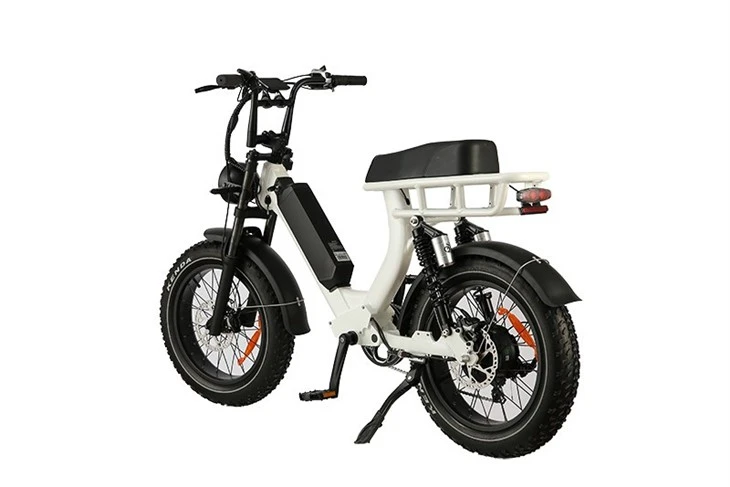
Moreover, the heat can cause the rubber in the tires to soften. Softened rubber wears out faster, which means you'll have to replace your tires more frequently. For riders of Fat Tire Mountain Electric Bike, this can be a considerable issue, as fat tires are more expensive to replace compared to regular ones.
Lubrication and Component Wear
The lubricants used in an electric bike's mechanical components, such as the chain, gears, and bearings, also change their properties in hot weather. Lubricants tend to thin out when it's hot, which means they might not provide as much protection as they do in normal temperatures.
If the lubrication is inadequate, the components will experience more friction. This leads to increased wear and tear, and in severe cases, it can cause the components to fail. For example, a dry chain can skip teeth on the gears, making your ride jerky and uncomfortable.
Tips to Mitigate the Effects of Hot Weather
-
Battery Care: Try to keep your battery cool. If you're not using the bike, store the battery in a cool place, away from direct sunlight. Avoid charging the battery immediately after a long ride in hot weather; let it cool down first.
-
Motor Management: Don't push the motor too hard on hot days. If you're going up a steep hill, consider using a lower gear to reduce the load on the motor. This will help keep the motor temperature down and improve its efficiency.

-
Tire Maintenance: Check your tire pressure regularly. On hot days, you might need to let some air out to keep the pressure at the recommended level. Also, rotate your tires regularly to ensure even wear.
-
Lubrication: Use a high - temperature lubricant. Some lubricants are specifically designed to perform well in hot conditions. Apply them to the chain, gears, and bearings as recommended by the manufacturer.
Conclusion
Hot weather can pose several challenges to the performance of an electric bike. From battery degradation to motor inefficiency, tire problems, and component wear, there are multiple factors to consider. But with proper care and maintenance, you can minimize the impact of hot weather on your e - bike.
As an electric bike supplier, we're committed to providing our customers with high - quality bikes and the information they need to take care of them. If you're interested in purchasing an electric bike or have any questions about how to maintain it in hot weather, feel free to reach out to us for a procurement discussion. We're here to help you make the most of your electric bike, no matter the weather.
References
- Battery University: Lithium - ion Battery Basics.
- Society of Automotive Engineers (SAE) research on electric motor efficiency in high temperatures.
- Tire manufacturers' guidelines on temperature and tire performance.