

How fast can a drift trike go?
Hey there, drift trike enthusiasts! I'm stoked to be here as a supplier of some of the sickest drift trikes out there. One question that always comes up is, "How fast can a drift trike go?" Well, buckle up because we're about to dive deep into this thrilling topic.
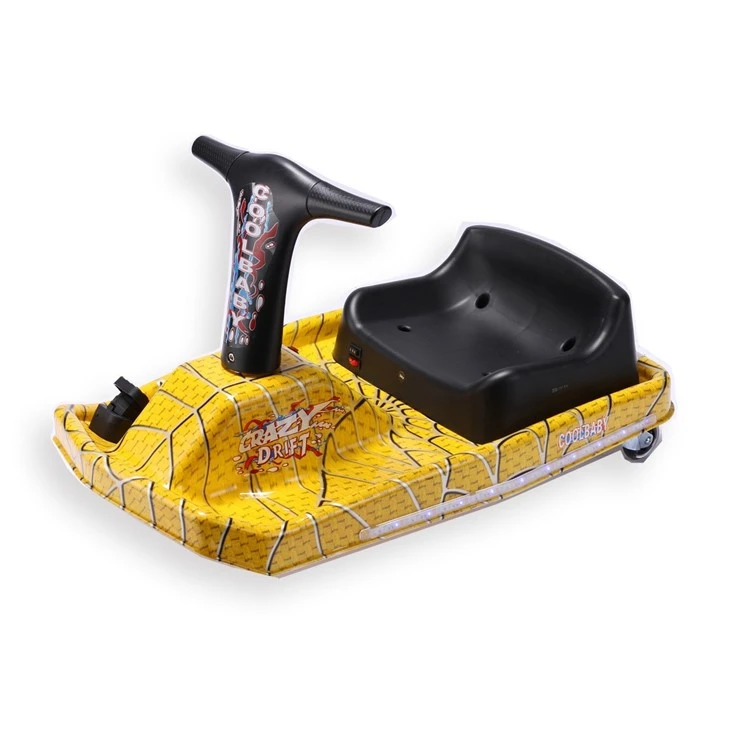
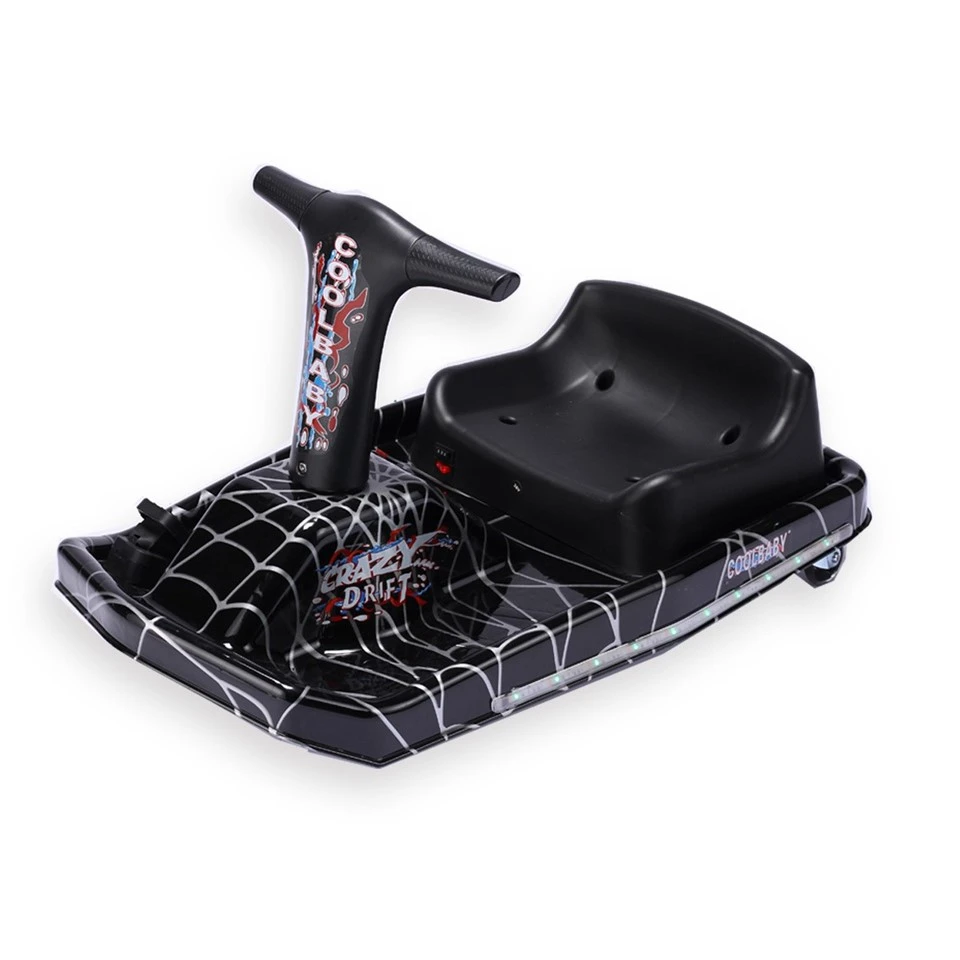
First off, let's talk about the different types of drift trikes we offer. We've got the 36V Lithium Drift Car, the Pedal Drift Trike, and the Eletric Drift Trike. Each type has its own unique speed capabilities, and a bunch of factors that can affect how fast they can really go.
Factors Affecting Drift Trike Speed
1. Power Source
The power source of a drift trike is a major factor in determining its speed. Our electric drift trikes, like the 36V Lithium Drift Car, are powered by batteries. These bad boys can pack a serious punch. The voltage and capacity of the battery play a huge role. A higher voltage battery, like the 36V one in our electric drift trike, can provide more power to the motor, which in turn can make the trike go faster.
On the other hand, pedal drift trikes rely solely on your leg power. Your strength, fitness level, and pedaling technique all come into play here. If you're a total gym rat with some serious leg muscles, you might be able to get your pedal drift trike moving at a pretty decent clip. But let's be real, it's not going to be as fast as an electric one.
2. Terrain
The surface you're riding on can make a world of difference. Smooth, flat surfaces like asphalt or concrete are ideal for speed. There's less friction, so the wheels can roll more freely. You can really open up the throttle (or pedal as hard as you can) and get some serious speed.
But if you're on a rough or uneven surface, like gravel or dirt, your speed is going to take a hit. The wheels have to work harder to overcome the bumps and resistance, which slows you down. And let's not forget about the risk of losing control. Drifting on a rough surface is a whole different ballgame and definitely not for the faint of heart.
3. Rider Weight
Believe it or not, your weight can affect how fast your drift trike goes. A lighter rider will generally be able to achieve higher speeds. That's because there's less mass for the power source to move. So, if you're on the lighter side, you've got a bit of an advantage when it comes to speed.
But don't worry if you're a bit heavier. Our drift trikes are built to handle different weights, and with the right power source and terrain, you can still have a blast and reach some pretty good speeds.
4. Aerodynamics
You might not think about aerodynamics when you're on a drift trike, but it actually matters. The way you position your body on the trike can affect how much air resistance you encounter. If you hunch over and tuck in your elbows, you'll create a more streamlined shape, which can help you cut through the air and go faster.
On the flip side, if you're sitting upright with your arms flailing around, you're going to create a lot of drag, which will slow you down. So, it's all about finding that sweet spot and getting into the most aerodynamic position possible.
Speed Capabilities of Different Drift Trikes
Electric Drift Trikes
Our electric drift trikes, especially the 36V Lithium Drift Car, can reach some impressive speeds. On a smooth, flat surface, you can expect to hit speeds of up to 20 - 25 miles per hour. That's pretty fast for a drift trike! The electric motor provides a consistent and powerful source of energy, allowing you to accelerate quickly and maintain a high speed.
But remember, the actual speed you can achieve will depend on the factors we talked about earlier, like terrain and rider weight. And of course, safety should always be your top priority. Make sure you're wearing the right protective gear, like a helmet and knee pads, when you're riding at high speeds.
Pedal Drift Trikes
Pedal drift trikes are a bit more low - tech, but they can still be a ton of fun. The speed of a pedal drift trike is largely determined by the rider's physical ability. An average person might be able to get their pedal drift trike up to 10 - 15 miles per hour on a flat surface. But if you're a professional cyclist or just really fit, you could potentially push it even faster.
The advantage of pedal drift trikes is that they're more eco - friendly and don't require any batteries or charging. And let's not forget the sense of accomplishment you get from powering the trike with your own legs.
Safety Considerations at High Speeds
As much as we love the thrill of speed, safety should never be overlooked. When you're riding a drift trike at high speeds, there are a few things you need to keep in mind.
First and foremost, wear proper safety gear. A helmet is an absolute must. It can protect your head in case of a fall or collision. Knee and elbow pads are also a good idea to prevent scrapes and bruises.
Secondly, make sure your drift trike is in good working condition. Check the brakes regularly to make sure they're responsive. Faulty brakes can be extremely dangerous, especially at high speeds.
Finally, be aware of your surroundings. Avoid riding in crowded areas or areas with a lot of traffic. And always follow the rules of the road.
Conclusion
So, how fast can a drift trike go? Well, it depends on a whole bunch of factors, but our electric drift trikes can reach speeds of up to 20 - 25 miles per hour, while pedal drift trikes can get up to 10 - 15 miles per hour. Whether you're into the raw power of an electric drift trike or the old - fashioned fun of a pedal drift trike, we've got the perfect ride for you.
If you're interested in purchasing one of our amazing drift trikes, don't hesitate to reach out. We're always happy to answer any questions you might have and help you find the right drift trike for your needs. Whether you're a beginner looking for a bit of fun or a seasoned pro looking for a high - performance ride, we've got you covered.
References
- General knowledge of drift trike mechanics and performance
- Personal experience as a drift trike supplier