

How to adjust the pedals on a children tricycle?
As a dedicated supplier of children tricycles, I understand the importance of ensuring that every tricycle we provide offers the best possible experience for young riders. One crucial aspect that often requires attention is the adjustment of the pedals. Properly adjusted pedals not only enhance the comfort of the child but also contribute to a safer and more enjoyable riding experience. In this blog, I'll share some practical tips on how to adjust the pedals on a children tricycle.
Understanding the Importance of Pedal Adjustment
Before diving into the adjustment process, it's essential to understand why pedal adjustment matters. Children come in different sizes and have varying leg lengths. A tricycle with pedals that are not properly adjusted can lead to discomfort, improper riding posture, and even potential safety hazards. For instance, if the pedals are too far away, the child may have to stretch their legs excessively, which can cause fatigue and make it difficult to control the tricycle. On the other hand, if the pedals are too close, the child's legs may be cramped, leading to an awkward riding position.
Tools You'll Need
To adjust the pedals on a children tricycle, you'll need a few basic tools. These include a wrench, which is typically used to loosen and tighten the nuts or bolts that hold the pedals in place. Make sure the wrench you choose fits the size of the nuts or bolts on your tricycle. You may also need a screwdriver if your tricycle has any additional screws or fasteners related to the pedals.
Step-by-Step Guide to Pedal Adjustment
Step 1: Inspect the Tricycle
Before making any adjustments, carefully inspect the tricycle to ensure there are no visible signs of damage or wear on the pedals, crank arms, or other related components. Look for loose parts, cracks, or any other issues that could affect the safety or performance of the tricycle. If you notice any problems, it's best to address them before proceeding with the pedal adjustment.
Step 2: Determine the Correct Pedal Position
The ideal pedal position depends on the child's leg length. To find the right position, have the child sit on the tricycle with their feet on the pedals. The child's knees should be slightly bent when the pedals are at the lowest point of their rotation. This position allows for a natural and comfortable pedaling motion. If the child's legs are fully extended or if their knees are bent too much, the pedals need to be adjusted.
Step 3: Loosen the Pedal Fasteners
Using the wrench, loosen the nuts or bolts that hold the pedals to the crank arms. Be careful not to remove the fasteners completely, as you'll need to re-tighten them later. If your tricycle has any additional screws or fasteners, use the appropriate screwdriver to loosen them as well.
Step 4: Adjust the Pedal Position
Once the fasteners are loose, you can adjust the position of the pedals. If the pedals need to be moved closer to the child, slide them along the crank arms towards the center of the tricycle. If the pedals need to be moved further away, slide them in the opposite direction. Make small adjustments and check the pedal position regularly to ensure it's correct.
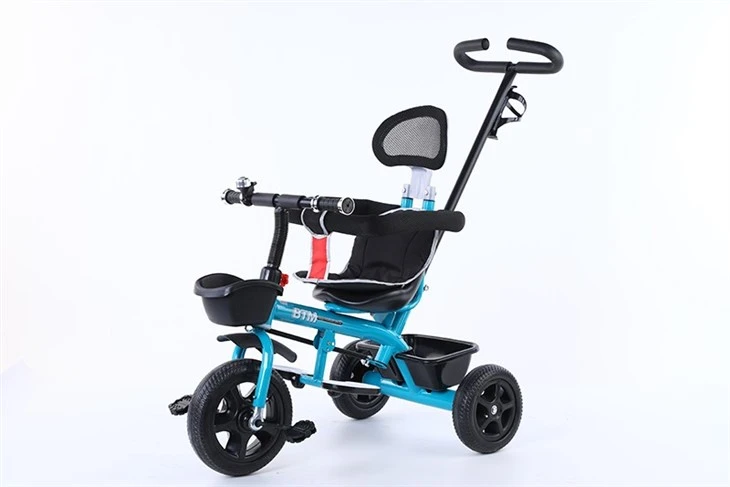

Step 5: Re-tighten the Pedal Fasteners
After you've adjusted the pedals to the correct position, use the wrench to re-tighten the nuts or bolts. Make sure the fasteners are tightened securely, but be careful not to over-tighten them, as this could damage the pedals or the crank arms. If you used a screwdriver to loosen any additional screws or fasteners, re-tighten them as well.
Step 6: Test the Pedals
Once you've re-tightened the fasteners, have the child sit on the tricycle again and test the pedals. Make sure the pedals rotate smoothly and that the child can pedal comfortably. Check the pedal position one more time to ensure it's still correct. If necessary, make any final adjustments.
Additional Tips for Pedal Adjustment
- Regularly Check the Pedal Position: As your child grows, their leg length will change, and the pedal position may need to be adjusted accordingly. It's a good idea to check the pedal position regularly to ensure it remains comfortable and safe for your child.
- Follow the Manufacturer's Instructions: Different tricycles may have different pedal adjustment mechanisms. Always refer to the manufacturer's instructions for specific guidance on how to adjust the pedals on your particular tricycle.
- Consider the Child's Riding Style: Some children may prefer a slightly different pedal position based on their riding style. For example, if your child likes to pedal quickly, they may prefer the pedals to be slightly further away to allow for a longer stroke.
Our Tricycle Products
At our company, we offer a wide range of high-quality children tricycles, including the Multipurpose Children Tricycle, the Kids Toys Baby Multifunctional Children Tricycle, and the 4 in 1 Toddlers Strollers Pram. These tricycles are designed with the utmost care and attention to detail to ensure the best possible experience for young riders. They are also easy to adjust, making it simple to customize the pedal position for your child.
Contact Us for Procurement
If you're interested in purchasing our children tricycles for your store or organization, we'd love to hear from you. We offer competitive prices, excellent customer service, and fast shipping. Whether you're looking for a single tricycle or a large order, we can accommodate your needs. Please feel free to reach out to us to discuss your procurement requirements.
References
- "Children Tricycle Safety Guidelines," Consumer Product Safety Commission.
- "Pedal Adjustment for Optimal Riding Comfort," Tricycle Manufacturer's Handbook.