

How to change a flat tire on a mountain bike?
A flat tire can quickly turn an exciting mountain biking adventure into a frustrating ordeal. However, with the right knowledge and tools, changing a flat tire on a mountain bike is a manageable task. As a reputable Mountain Bike supplier, we understand the importance of equipping riders with the skills to handle common bike issues. In this guide, we'll walk you through the step-by-step process of changing a flat tire on a mountain bike, ensuring you can get back on the trail in no time.
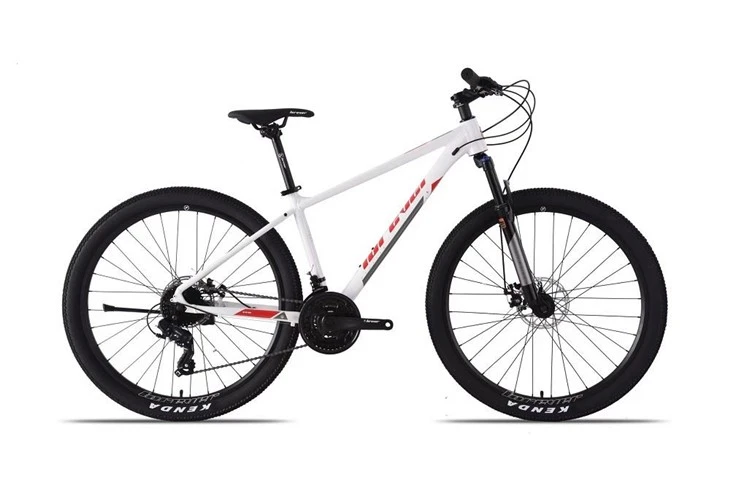

Step 1: Gather the Necessary Tools
Before you set out on your mountain biking journey, it's essential to have the right tools on hand to change a flat tire. Here's a list of the tools you'll need:
- Tire Levers: These are used to remove the tire from the rim. Make sure to have at least two tire levers for easier removal.
- Patch Kit or Spare Tube: If you have a puncture, you can either patch the tube or replace it with a spare tube.
- Pump: A high-quality bike pump is essential for inflating the tire to the correct pressure.
- Multi-Tool: A multi-tool with a variety of wrenches and screwdrivers can come in handy for adjusting and tightening components.
Step 2: Find a Safe Location
Once you notice a flat tire, find a safe and stable location to change it. Avoid changing the tire on a busy road or in an area with poor visibility. Look for a flat surface, such as a grassy area or a sidewalk, where you can work comfortably.
Step 3: Remove the Wheel
Before you can change the tire, you need to remove the wheel from the bike. Here's how to do it:
- Shift to the Smallest Gear: Shift the chain to the smallest gear on the rear cassette to relieve tension on the chain.
- Loosen the Quick-Release or Axle Nuts: If your bike has a quick-release skewer, open the lever and loosen the skewer. If your bike has axle nuts, use a wrench to loosen them.
- Remove the Wheel: Carefully lift the bike off the ground and slide the wheel out of the dropouts. Make sure to keep the chain and derailleur in place.
Step 4: Deflate the Tire
Using the valve cap, deflate the tire completely. This will make it easier to remove the tire from the rim.
Step 5: Remove the Tire from the Rim
To remove the tire from the rim, you'll need to use tire levers. Here's how to do it:
- Insert the First Tire Lever: Insert the first tire lever under the bead of the tire at the valve stem. Hook the lever onto the rim and pry the tire bead over the rim.
- Insert the Second Tire Lever: Insert the second tire lever a few inches away from the first lever and repeat the process. Continue using the tire levers to pry the tire bead over the rim until you've removed about half of the tire.
- Remove the Tube: Once you've removed half of the tire, you can easily remove the tube from the tire. Be careful not to damage the tube while removing it.
Step 6: Inspect the Tube and Tire
Before you install the new tube or patch the old one, inspect the tube and tire for any signs of damage. Look for punctures, cuts, or tears in the tube and tire. If you find any damage, you'll need to replace the tube or tire.
Step 7: Install the New Tube or Patch the Old One
If you have a spare tube, install it in the tire. Here's how to do it:
- Insert the Valve Stem: Insert the valve stem of the new tube through the valve hole in the rim.
- Place the Tube in the Tire: Carefully place the tube inside the tire, making sure it's not twisted or pinched.
- Install the Tire on the Rim: Starting at the valve stem, use your hands to push the tire bead onto the rim. Work your way around the tire, using the tire levers to help you if necessary. Make sure the tire is evenly seated on the rim.
If you don't have a spare tube, you can patch the old one. Here's how to do it:
- Locate the Puncture: Inflate the tube slightly and listen for the sound of air escaping. You can also run your hand along the tube to feel for the puncture.
- Mark the Puncture: Once you've located the puncture, mark it with a piece of tape or a marker.
- Prepare the Patch: Clean the area around the puncture with a piece of sandpaper or a file. Apply a small amount of glue to the patch and let it dry for a few minutes.
- Apply the Patch: Place the patch over the puncture and press it firmly onto the tube. Make sure the patch is centered over the puncture and that there are no air bubbles under the patch.
- Let the Patch Dry: Let the patch dry for at least 15 minutes before inflating the tube.
Step 8: Inflate the Tire
Once you've installed the new tube or patched the old one, it's time to inflate the tire. Use a bike pump to inflate the tire to the recommended pressure. You can find the recommended pressure on the sidewall of the tire.
Step 9: Reinstall the Wheel
After you've inflated the tire, it's time to reinstall the wheel on the bike. Here's how to do it:
- Align the Wheel: Align the wheel with the dropouts on the bike frame. Make sure the chain is properly seated on the gears.
- Tighten the Quick-Release or Axle Nuts: If your bike has a quick-release skewer, close the lever and tighten the skewer until it's snug. If your bike has axle nuts, use a wrench to tighten them.
- Check the Wheel Alignment: Spin the wheel to make sure it's spinning freely and that there are no rubbing or wobbling issues. If the wheel is not aligned properly, adjust the quick-release or axle nuts until it is.
Step 10: Test the Bike
Before you hit the trail, take a few minutes to test the bike. Check the brakes, gears, and tire pressure to make sure everything is working properly. If you notice any issues, make the necessary adjustments before continuing your ride.
Conclusion
Changing a flat tire on a mountain bike is a skill that every rider should know. By following these steps and practicing regularly, you'll be able to change a flat tire quickly and easily, ensuring you can get back on the trail and enjoy your ride. As a [Company Name] Mountain Bike supplier, we're committed to providing our customers with high-quality bikes and accessories, as well as the knowledge and support they need to have a safe and enjoyable riding experience. If you're in the market for a new mountain bike, we invite you to check out our selection of Hard Tail Mountain Bike, Mountain Bike Men Women, and Menadult Mountain Bike. We also offer a range of bike maintenance and repair services to keep your bike in top condition. Contact us today to learn more about our products and services and to start your next mountain biking adventure.
References
- "Bicycle Tire Repair and Maintenance." Sheldon Brown.
- "How to Change a Flat Tire on a Mountain Bike." Trailforks.
- "Changing a Flat Tire." REI Co-op.