

How to check the brakes of a baby stroller?
Hey there! As a baby stroller supplier, I know how crucial it is to ensure the safety of our little ones. One of the most important safety features of a baby stroller is its brakes. In this blog post, I'm gonna share with you how to check the brakes of a baby stroller to make sure they're working properly.
Why Checking Stroller Brakes is a Big Deal
First things first, let's talk about why it's so important to check the stroller brakes regularly. The brakes are what keep the stroller from rolling away when you stop, whether it's on a flat surface or a slope. If the brakes aren't working correctly, it can lead to serious accidents. Imagine you're at a busy intersection and the stroller starts rolling because the brakes failed – yikes! So, regular brake checks are a must.
Types of Baby Strollers and Their Brakes
Before we dive into the checking process, let's take a quick look at the different types of baby strollers and their brakes.
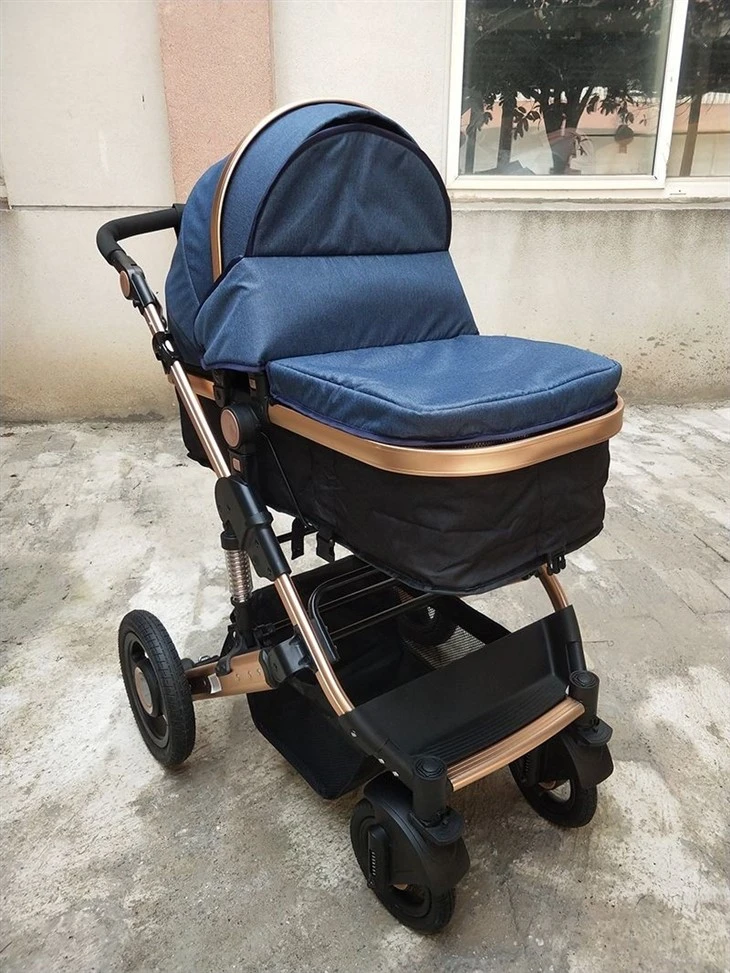
- Newborn Stroller: These strollers are designed for the tiniest of tots. They usually have a more gentle braking system that's easy to engage and disengage. You can check out Newborn Stroller for some great options.
- Toddler Stroller: Once your little one starts getting more active, a toddler stroller might be the way to go. These strollers often have a stronger braking mechanism to handle the extra weight and movement. Check out Toddler Stroller for some awesome choices.
- Simple Stroller: If you're looking for something basic and easy to use, a simple stroller is a great option. They usually have a straightforward braking system that's easy to understand and check. Have a look at Simple Stroller for some simple yet reliable strollers.
Step-by-Step Guide to Checking Stroller Brakes
Now, let's get into the nitty-gritty of checking the brakes. Here's a step-by-step guide:
Step 1: Visual Inspection
The first thing you want to do is give the brakes a good visual inspection. Look for any signs of damage, like cracks, breaks, or excessive wear and tear. Check the brake pads to make sure they're in good condition. If the brake pads are worn down, they might not grip the wheels properly, which can lead to brake failure.
Step 2: Engage the Brakes
Next, engage the brakes. Most strollers have a lever or a pedal that you can use to activate the brakes. Make sure the brakes engage smoothly and without any resistance. If you have to use a lot of force to engage the brakes, there might be a problem.
Step 3: Check the Brake Hold
Once the brakes are engaged, try to move the stroller. The stroller should not move at all. If it does, the brakes aren't holding properly. You can try this on a flat surface first, and then on a slight slope to really test the brakes.
Step 4: Disengage the Brakes
After you've tested the brake hold, disengage the brakes. The stroller should start moving freely again. If the stroller still feels like it's being held back, the brakes might not be disengaging properly.
Step 5: Repeat on All Wheels
Most strollers have brakes on both rear wheels. Make sure you repeat the above steps for each wheel to ensure that all the brakes are working correctly.
Common Brake Problems and Solutions
Sometimes, you might encounter some common brake problems. Here are a few and how to fix them:
- Brake Not Engaging: If the brakes aren't engaging, it could be because of dirt or debris in the brake mechanism. Try cleaning the brakes with a soft brush and some mild soap and water. If that doesn't work, there might be a more serious problem, and you should contact the manufacturer or a professional for help.
- Brake Not Holding: If the brakes aren't holding, it could be because the brake pads are worn down. You can usually replace the brake pads yourself by following the manufacturer's instructions. If the problem persists, there might be an issue with the brake mechanism, and you should get it checked out.
- Brake Sticking: If the brakes are sticking, it could be because of a problem with the brake cable or the brake lever. Try lubricating the brake cable with some WD-40 or a similar lubricant. If that doesn't work, you might need to replace the brake cable or the brake lever.
Regular Maintenance for Stroller Brakes
In addition to regular checks, it's also important to maintain the stroller brakes properly. Here are a few tips:

- Clean the Brakes Regularly: Dirt and debris can build up on the brakes over time, which can affect their performance. Clean the brakes with a soft brush and some mild soap and water at least once a month.
- Lubricate the Brake Mechanism: Lubricating the brake mechanism can help keep it working smoothly. Use a small amount of WD-40 or a similar lubricant on the brake cable and the brake lever.
- Store the Stroller Properly: When you're not using the stroller, store it in a dry place. Moisture can cause the brakes to rust and corrode, which can lead to brake failure.
Conclusion
Checking the brakes of a baby stroller is an important part of keeping your little one safe. By following the steps outlined in this blog post, you can make sure that the brakes on your stroller are working properly. Remember, regular checks and maintenance are key to ensuring the longevity and performance of the stroller brakes.
If you're in the market for a new baby stroller or need to replace the brakes on your existing stroller, don't hesitate to reach out. We're here to help you find the perfect stroller for your needs. Whether you're looking for a Newborn Stroller, a Toddler Stroller, or a Simple Stroller, we've got you covered.
References
- American Academy of Pediatrics. (2023). Safe Use of Baby Strollers.
- Consumer Product Safety Commission. (2023). Stroller Safety Tips.