

How to check the quality of a baby crib?
As a seasoned baby crib supplier, I understand the paramount importance of ensuring the quality of baby cribs. Parents entrust these cribs with the safety and comfort of their precious little ones, and it's our responsibility to provide products that meet the highest standards. In this blog post, I'll share some essential tips on how to check the quality of a baby crib.
1. Structural Integrity
The first aspect to consider when evaluating a baby crib is its structural integrity. A well - built crib should be sturdy and able to withstand the movements of an active baby.
- Frame Construction: Examine the frame of the crib. It should be made of high - quality materials such as solid wood or strong metal. Solid wood frames are often preferred for their durability and natural beauty. Check for any signs of cracks, splinters, or loose joints. For wooden cribs, a smooth finish is essential to prevent any injuries to the baby. You can run your hand along the edges and corners to feel for any rough spots.
- Corner Joints: The corner joints are critical areas of the crib. They should be reinforced and tightly secured. Look for cribs with dowels, screws, or metal brackets at the joints. These provide extra stability and prevent the crib from coming apart. A wobbly crib is a safety hazard, so make sure it stands firmly on the floor without any rocking or swaying.
2. Mattress Support
A proper mattress support system is crucial for a baby's comfort and safety.
- Slat Spacing: The slats of the crib should be evenly spaced. The maximum gap between slats should not exceed 2 3/8 inches (about 6 cm). This prevents the baby's head from getting trapped between the slats. You can use a ruler to measure the spacing at several points along the crib.
- Mattress Fit: The mattress should fit snugly inside the crib. There should be no more than two fingers' width of space between the mattress and the crib's sides. A loose - fitting mattress can pose a suffocation risk as the baby could get wedged between the mattress and the crib wall.
3. Finish and Materials
The finish and materials used in a baby crib can have a significant impact on the baby's health.
- Non - Toxic Finish: Ensure that the crib has a non - toxic finish. Babies often put their hands and objects in their mouths, so any paint or coating on the crib should be free of lead, phthalates, and other harmful chemicals. Look for cribs that are labeled as having a non - toxic finish or are certified by relevant safety organizations.
- Fabric and Padding: If the crib has fabric or padding, it should be soft, breathable, and easy to clean. Avoid materials that are rough or may cause skin irritation. Check for any signs of fraying or loose threads in the fabric.
4. Safety Features
Modern baby cribs come with a variety of safety features that can provide additional peace of mind.
- Drop - Side Mechanism: In the past, drop - side cribs were popular, but many have been recalled due to safety concerns. If you're considering a crib with a drop - side mechanism, make sure it meets the latest safety standards. Some newer cribs have fixed - side designs, which are generally considered safer.
- Locking Wheels: If the crib has wheels, they should have a reliable locking mechanism. This prevents the crib from rolling unexpectedly, which could cause it to tip over. Test the locking mechanism to ensure it works smoothly and holds the crib in place.
5. Design and Functionality
In addition to safety, the design and functionality of the crib also matter.
- Accessibility: Consider how easy it is to access the baby in the crib. A crib with a low - height side or a removable side can make it more convenient for parents to pick up and put down the baby. Some cribs, like the Bed Side Crib, are designed to be placed next to the adult bed, allowing for easy access during the night.
- Convertibility: Some cribs can be converted into toddler beds or daybeds as the baby grows. This is a great feature as it extends the usability of the crib and provides long - term value for money. If you're looking for a long - lasting option, consider a convertible crib.
6. Assembly and Maintenance
The ease of assembly and maintenance can also affect the overall quality of the crib.
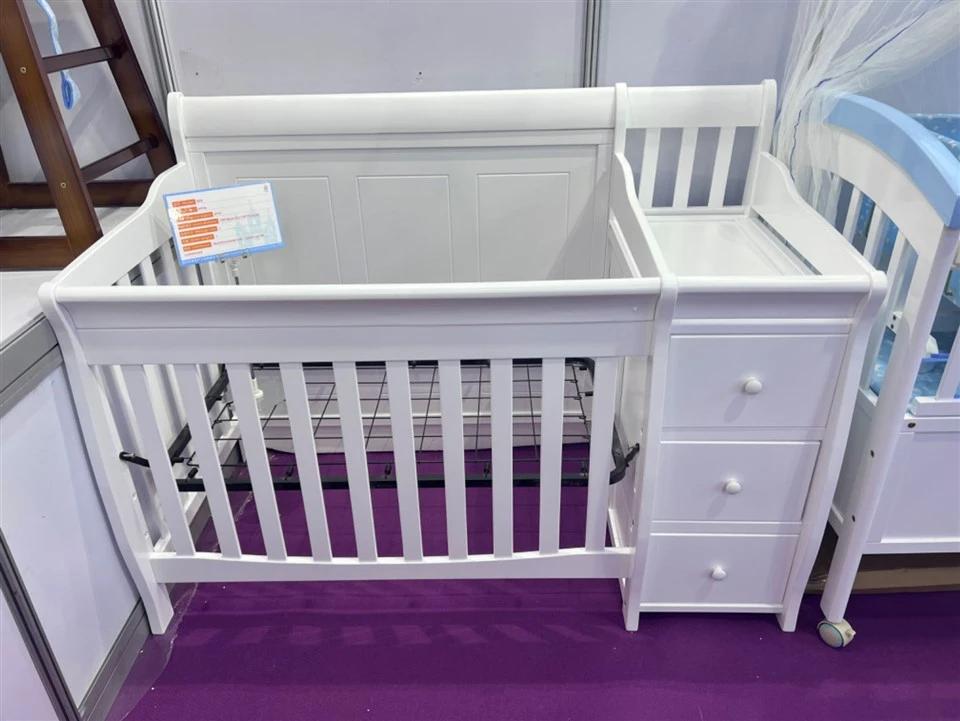
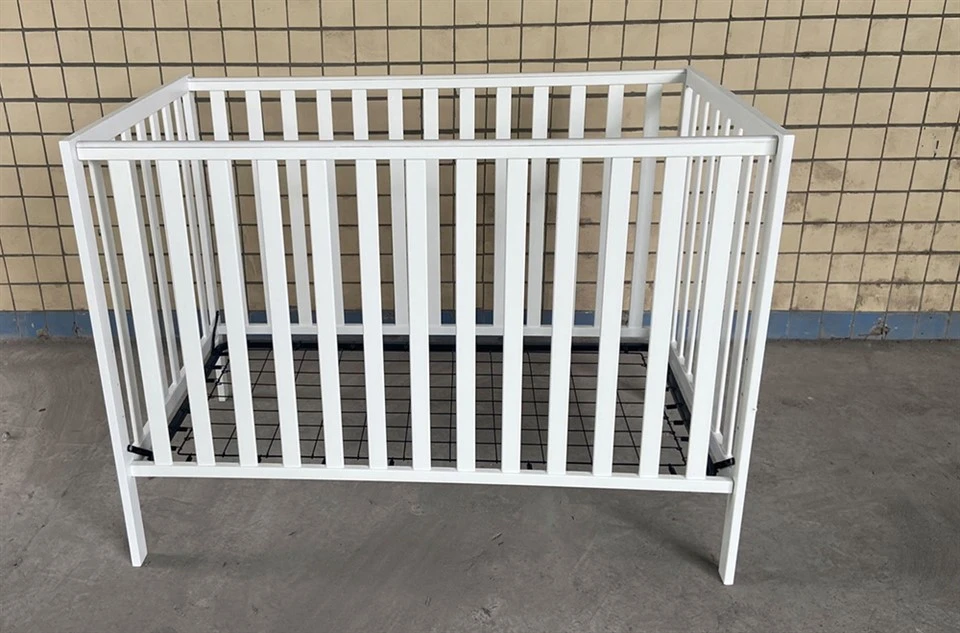
- Assembly Instructions: Look for a crib that comes with clear and detailed assembly instructions. The parts should be labeled clearly, and all the necessary tools should be included. A well - designed crib should be relatively easy to assemble, even for those with limited DIY skills.
- Maintenance Requirements: Consider how easy it is to clean and maintain the crib. Cribs with smooth surfaces and removable parts are generally easier to clean. Make sure you understand the recommended cleaning methods and frequency to keep the crib in good condition.
7. Brand Reputation and Certifications
When buying a baby crib, it's important to consider the brand's reputation and the certifications the crib has received.
- Brand Reputation: Research the brand of the crib. Look for reviews from other parents and check if the brand has a history of producing high - quality, safe products. A well - established brand with a good reputation is more likely to adhere to strict quality control standards.
- Certifications: Check if the crib meets relevant safety standards, such as ASTM International standards in the United States or European safety standards. Certifications indicate that the crib has been tested and meets certain safety requirements.
8. Additional Accessories
Some cribs come with additional accessories that can enhance the baby's comfort and safety.
- Bumper Pads: Bumper pads are designed to prevent the baby from hitting their head on the crib slats. However, recent studies have shown that they can pose a suffocation and strangulation risk. If you choose to use bumper pads, make sure they are properly secured and made of breathable materials.
- Mobile or Toy Attachment: A mobile or toy attachment can provide entertainment for the baby. Ensure that it is securely attached to the crib and that the toys are made of non - toxic materials and are free of small parts that could be a choking hazard.
As a baby crib supplier, we take pride in offering a wide range of high - quality cribs, including White Crib and Baby Crib Sets. Our cribs are carefully designed and tested to meet the highest safety and quality standards. If you're in the market for a baby crib, we invite you to contact us for more information and to discuss your specific needs. We're here to help you find the perfect crib for your little one.
References
- American Academy of Pediatrics. (2011). Safe sleep environment for infants: recommendations for reducing the risk of sleep - related infant deaths. Pediatrics, 128(5), e1341 - e1367.
- ASTM International. (2020). Standard consumer safety specification for full - size baby cribs and non - full - size baby cribs. ASTM F1169 - 20.