

How to choose a mountain bike helmet?
Hey there, fellow mountain biking enthusiasts! As a mountain bike supplier, I've seen it all when it comes to gear, and one piece that's non - negotiable is a good mountain bike helmet. Choosing the right helmet can be a game - changer for your riding experience, not to mention it's crucial for your safety. So, let's dive into how you can pick the perfect mountain bike helmet.
Fit is King
First off, the fit of your helmet is everything. A poorly fitting helmet won't do its job properly. You want a helmet that sits level on your head, covering the top of your forehead. It shouldn't be too high or too low. To check the fit, put on the helmet and tighten the straps. You should be able to fit two fingers between your chin and the strap.
When you shake your head gently, the helmet should stay in place. If it slides around, it's too loose. On the other hand, if it's so tight that it gives you a headache right away, it's too small. There are different head shapes, and helmets are designed to accommodate them. Some helmets are better for round heads, while others suit oval - shaped heads. Try on a few different models to find the one that fits your head shape best.
Also, consider the padding inside the helmet. Good padding not only makes the helmet more comfortable but also helps with the fit. Some helmets come with removable and washable padding, which is a great feature to keep your helmet fresh and hygienic.
Safety Standards
Safety is the main reason we wear helmets, so you need to make sure the one you choose meets the right safety standards. In the United States, look for helmets that are certified by the Consumer Product Safety Commission (CPSC). In Europe, the CE EN 1078 standard is the one to watch for. These certifications mean that the helmet has passed a series of tests for impact resistance and other safety features.
Some helmets also have additional safety technologies. For example, MIPS (Multi - Directional Impact Protection System) is a technology that helps reduce rotational forces on the brain during an impact. Helmets with MIPS can provide an extra layer of protection, especially in more technical and high - speed riding situations.
Ventilation
Mountain biking can be a sweaty activity, and that's where ventilation comes in. A well - ventilated helmet will keep your head cool and dry, making your ride more comfortable. Look for helmets with lots of vents. The number of vents isn't the only thing to consider, though. The design of the vents also matters. Some helmets have channels that are designed to direct airflow through the helmet, keeping the air moving and reducing heat buildup.
If you live in a hot climate or you tend to sweat a lot, a helmet with excellent ventilation is a must. On the other hand, if you ride in colder weather, you might want a helmet with fewer vents or the option to cover the vents to keep your head warm.
Weight
The weight of the helmet can also affect your riding experience. A heavy helmet can feel cumbersome, especially on long rides. Lighter helmets are generally more comfortable and less tiring to wear. However, lighter doesn't always mean better. Sometimes, extremely lightweight helmets might sacrifice some safety features.
A good balance is what you're looking for. Many modern helmets are designed to be both lightweight and safe. Carbon fiber helmets are often lighter than those made from other materials, but they can also be more expensive.
Style and Visibility
Let's face it, style matters. You want a helmet that looks good and makes you feel confident on the bike. There are all sorts of styles available, from sleek and aerodynamic designs to more rugged and aggressive looks. Choose a style that suits your personality and the type of riding you do.
Visibility is also important, especially if you ride on trails where there might be other cyclists, hikers, or vehicles. Brightly colored helmets or helmets with reflective elements are easier to see, which can help keep you safe.
Price
Helmets come in a wide range of prices. You can find basic helmets for as little as $20 - $30, while high - end models can cost several hundred dollars. The price often reflects the features and quality of the helmet. If you're on a tight budget, focus on getting a helmet that meets the safety standards and fits well. You can still find some decent options in the lower price range.
However, if you can afford it, investing in a more expensive helmet can be worth it. High - end helmets usually have better ventilation, lighter weight, and more advanced safety features.
Where to Buy
You can buy mountain bike helmets from a variety of places. Local bike shops are a great option because you can try on the helmets before you buy them. The staff at bike shops are usually knowledgeable and can give you advice based on your needs.
Online retailers also offer a wide selection of helmets. You can often find good deals online, and you have access to a larger range of models. Just make sure to check the return policy in case the helmet doesn't fit or you're not satisfied with it.
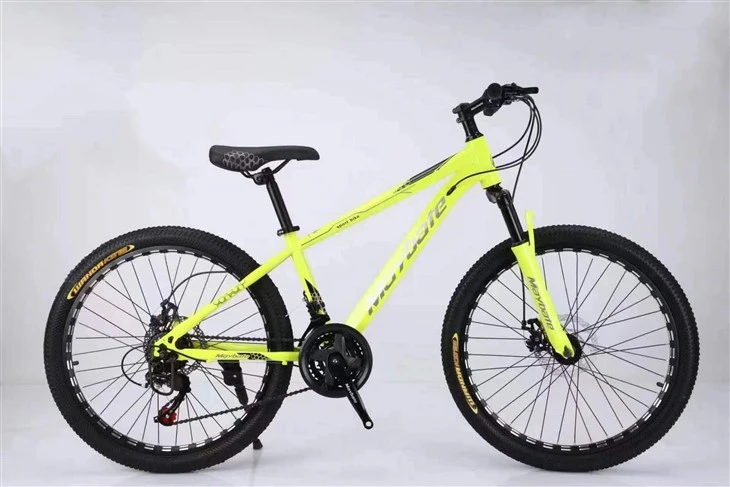
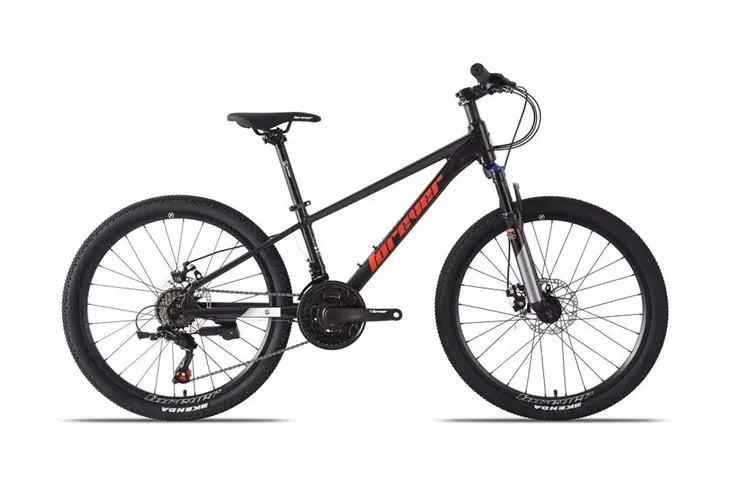
Now, if you're in the market for a new mountain bike to go with your helmet, check out our Best Mtb Bikes. We also have a great selection of Adult Mountain Bike and Mountain Bike for Man.
If you're interested in purchasing mountain bike helmets or bikes in bulk, we're here to help. Whether you're a bike shop owner looking to stock up or an event organizer in need of gear, we can offer you great deals and high - quality products. Just reach out to us for a personalized quote and let's start the conversation about your mountain biking needs.
References
- Bontrager. “How to Choose a Mountain Bike Helmet.” Bontrager, 2023.
- Trailforks. “The Ultimate Guide to Mountain Bike Helmets.” Trailforks, 2023.
- Consumer Reports. “Buying Guide: Bicycle Helmets.” Consumer Reports, 2023.