

How to choose the right size of a children tricycle?
Hey there! As a supplier of children tricycles, I've seen firsthand how important it is to choose the right size for your little one. A well-fitted tricycle not only ensures a comfortable and enjoyable ride but also promotes safety and proper development. In this blog post, I'll share some tips on how to pick the perfect size of a children tricycle.
Understanding Your Child's Age and Development
First things first, you need to consider your child's age and development stage. Different age groups have different physical capabilities and requirements when it comes to riding a tricycle.
-
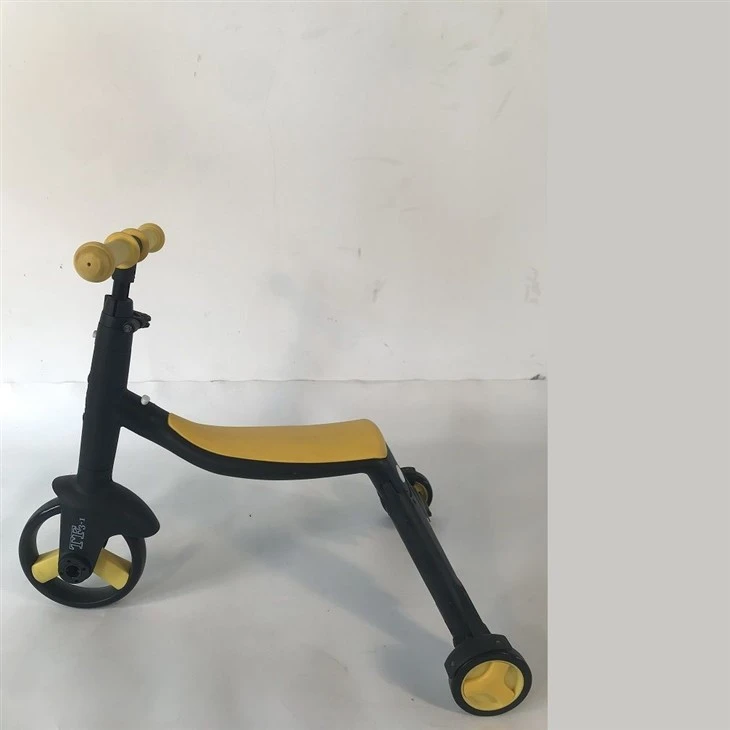
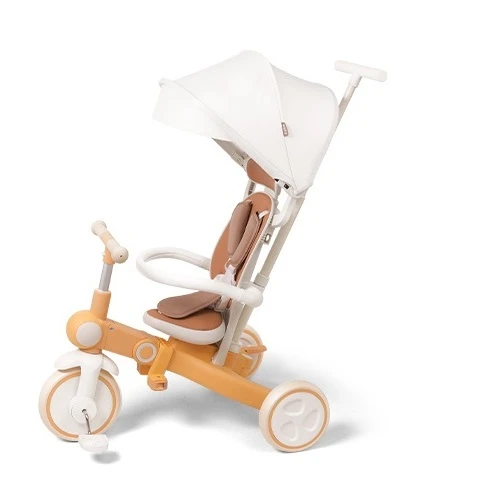
Infants and Toddlers (1 - 3 years old): For the youngest riders, a Toddler Tricycle is usually the best choice. These tricycles are designed with low centers of gravity and wide wheelbases for stability. They often come with features like parent push handles, which allow you to guide your child and provide extra support as they learn to balance. At this age, your child is still developing their motor skills, so a tricycle that's easy to control is essential.
-
Preschoolers (3 - 5 years old): As your child grows older and becomes more confident on a tricycle, they'll be ready for a more advanced model. Hot Selling Children Tricycle options for this age group often have pedals, hand brakes, and adjustable seats. Your preschooler is starting to develop more strength and coordination, so a tricycle that allows them to pedal independently and stop safely is a great investment.
-
Older Children (5+ years old): By the time your child reaches the age of 5 or older, they may be ready for a Children Pedal Tricycle that's more similar to a traditional bicycle. These tricycles typically have larger wheels, higher speeds, and more advanced features. Your child will appreciate the increased challenge and freedom that comes with a bigger tricycle.
Measuring Your Child for the Right Fit
In addition to considering your child's age, it's also important to measure them to ensure a proper fit. Here are some key measurements to take:
-
Seat Height: The seat height is one of the most important measurements when choosing a tricycle. Your child should be able to sit on the seat with their feet flat on the ground and their knees slightly bent. This allows them to easily pedal and stop the tricycle. To measure the seat height, have your child stand next to the tricycle with their feet flat on the ground. Measure from the ground to the top of their thigh. This measurement will give you an idea of the appropriate seat height for your child.
-
Handlebar Height: The handlebar height should be adjustable to accommodate your child's height and reach. Your child should be able to comfortably grip the handlebars without having to stretch or hunch over. To measure the handlebar height, have your child sit on the tricycle seat with their hands on the handlebars. Their elbows should be slightly bent when they grip the handlebars. This ensures that they have proper control and maneuverability of the tricycle.
-
Wheelbase: The wheelbase is the distance between the front and rear wheels of the tricycle. A longer wheelbase provides more stability, while a shorter wheelbase allows for more maneuverability. Consider your child's riding style and the type of terrain they'll be riding on when choosing a tricycle with the appropriate wheelbase.
Trying Out the Tricycle
Once you've narrowed down your options based on your child's age and measurements, it's a good idea to have your child try out the tricycle before making a purchase. This allows you to see how comfortable and confident they are on the tricycle and make any necessary adjustments.
-
Test the Pedals: Have your child sit on the tricycle and pedal it around. Make sure the pedals are easy to reach and turn, and that your child can maintain a steady rhythm. If the pedals are too far apart or too difficult to turn, your child may become frustrated and lose interest in riding the tricycle.
-
Check the Steering: Test the steering of the tricycle by having your child turn the handlebars from side to side. The steering should be responsive and easy to control. If the steering is too loose or too tight, it can affect your child's ability to navigate the tricycle safely.
-
Try the Brakes: If the tricycle has brakes, make sure your child can easily reach and operate them. Have your child practice using the brakes to stop the tricycle. The brakes should be strong enough to stop the tricycle quickly and safely.
Other Considerations
In addition to size and fit, there are a few other factors to consider when choosing a children tricycle:
-
Safety Features: Look for tricycles that have safety features such as reflectors, bells, and adjustable seat belts. These features can help keep your child safe while they're riding.
-
Quality and Durability: Invest in a high-quality tricycle that's built to last. Look for tricycles that are made from sturdy materials and have a good reputation for durability.
-
Style and Design: Let your child choose a tricycle that they like the look of. This can make them more excited about riding and encourage them to use the tricycle more often.
Conclusion
Choosing the right size of a children tricycle is an important decision that can have a big impact on your child's riding experience. By considering your child's age, measurements, and riding style, you can find a tricycle that's comfortable, safe, and fun for them to ride. If you have any questions or need further assistance, please don't hesitate to contact us. We're here to help you find the perfect tricycle for your little one.
If you're interested in purchasing children tricycles for your store or organization, we'd love to hear from you. We offer a wide range of high-quality tricycles at competitive prices. Contact us today to start the procurement negotiation process and find the best tricycles for your needs.
References
- American Academy of Pediatrics. (2023). Bicycle and Tricycle Safety.
- Consumer Product Safety Commission. (2023). Tricycle Safety Tips.