

How to maintain a baby walker?
Maintaining a baby walker is crucial for ensuring the safety and longevity of this essential baby product. As a baby walker supplier, I understand the significance of providing customers with comprehensive guidance on how to properly care for these items. In this blog, I'll share some practical tips on maintaining a baby walker, so you can keep it in top - notch condition for your little one.
Regular Cleaning
One of the most basic yet important aspects of baby walker maintenance is regular cleaning. Babies tend to drool, spill food, and make a mess in their walkers. If left uncleaned, dirt, grime, and bacteria can accumulate, posing a health risk to your baby.
First, start by emptying the walker of any toys or accessories. Remove the seat pad if it's detachable. Most seat pads can be machine - washed. Refer to the manufacturer's instructions for the appropriate water temperature and detergent to use. Usually, a gentle cycle with mild detergent is recommended.
For the frame and other non - washable parts of the baby walker, use a soft, damp cloth and a mild soap solution. Wipe down all the surfaces, including the handles, bars, and the base. Pay special attention to areas that come into direct contact with the baby, such as the seat edges and the footrests. Rinse the cloth frequently to avoid spreading dirt around. After wiping, dry the walker thoroughly with a clean, dry cloth to prevent rust or mold growth.
If your baby walker has a canopy, clean it as well. For fabric canopies, you can spot - clean stains with a mild stain remover or follow the same machine - washing instructions as the seat pad if it's removable. For plastic canopies, wipe them down with a damp cloth and a mild cleaner.
Inspecting for Wear and Tear
Regular inspections are vital to catch any signs of wear and tear early on. Before each use, give the baby walker a quick visual check. Look for any loose parts, such as screws, bolts, or joints. A loose part can come off during use, which could be a choking hazard for the baby or cause the walker to malfunction.
Check the wheels carefully. Look for signs of excessive wear, such as flat spots or cracks. Worn - out wheels can affect the mobility of the walker and may cause it to tip over. If you notice any issues with the wheels, replace them immediately. You can find replacement wheels for most baby walkers at hardware stores or directly from the manufacturer.
Inspect the seat for any tears or fraying. A damaged seat can be uncomfortable for the baby and may not provide adequate support. If the seat is damaged beyond repair, consider replacing it with a new one. You can find replacement seats for many popular baby walker models on websites like Infant Activity Walker.
Also, examine the safety features of the baby walker, such as the brakes and the locking mechanisms. Make sure the brakes are working properly by testing them. The locking mechanisms should hold the walker securely in place when not in use. If you find any problems with the safety features, do not use the walker until the issue is resolved.
Lubrication
Proper lubrication can help keep the moving parts of the baby walker working smoothly. Over time, the joints and wheels may start to squeak or become stiff. This can make the walker difficult for the baby to move around in and may also cause unnecessary wear on the parts.
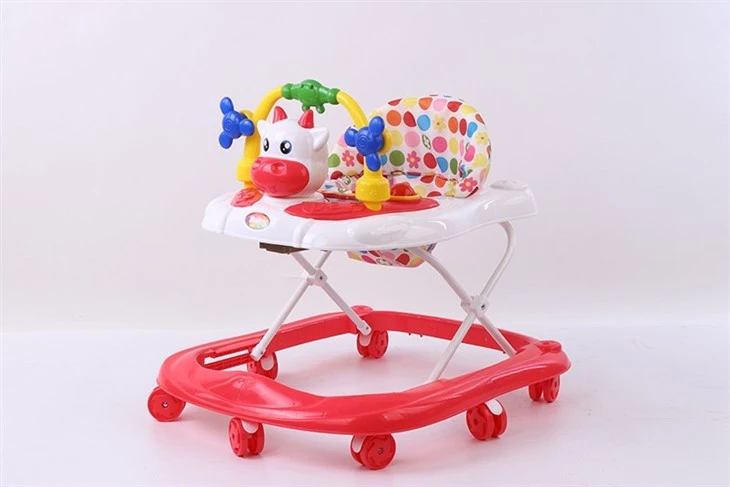
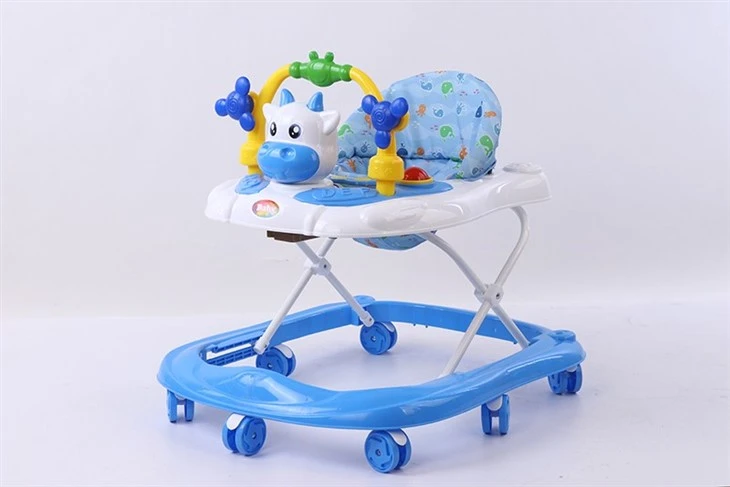
For the joints, use a small amount of silicone lubricant. Apply the lubricant to the moving parts and work it in by moving the joints back and forth a few times. Be careful not to use too much lubricant, as it can attract dirt and dust.
The wheels also benefit from lubrication. Use a wheel - specific lubricant or a light machine oil. Apply a small amount to the axles of the wheels and spin the wheels to distribute the lubricant evenly. This will reduce friction and make the wheels roll more freely.
Storage
When not in use, proper storage of the baby walker is essential to maintain its condition. If the baby walker is collapsible, collapse it according to the manufacturer's instructions. This will save space and prevent the walker from getting damaged in a crowded area.
Store the baby walker in a dry, clean place. Avoid storing it in damp basements or attics, as moisture can cause rust and mold growth. If possible, cover the walker with a dust cover to protect it from dust and dirt.
If you have multiple baby walkers or other baby products, organize them in a way that they don't get stacked on top of each other, which could cause damage.
Age - Appropriate Use
It's important to use the baby walker according to the manufacturer's age and weight recommendations. Using a baby walker that is not suitable for your baby's age or size can put extra stress on the walker's components, leading to premature wear and tear.
For example, Walking Toys For 9 Month Old are designed with the specific needs and abilities of 9 - month - old babies in mind. Using a walker that is too small or too large for a 9 - month - old can cause the seat to be uncomfortable, the wheels to wear out faster, and may even pose a safety risk.
Maintenance Schedule
To ensure that you don't forget about the maintenance tasks, it's a good idea to create a maintenance schedule. You can set reminders on your phone or calendar. For example, you can schedule a thorough cleaning of the baby walker once a month, a quick inspection before each use, and a more detailed inspection and lubrication every three months.
Importance of Maintenance
Maintaining a baby walker is not only about keeping it in good condition but also about ensuring the safety of your baby. A well - maintained baby walker provides a stable and comfortable environment for the baby to explore and develop their motor skills.
Regular maintenance can also extend the lifespan of the baby walker. Instead of having to replace the walker every few months due to neglect, proper care can make it last for multiple children or for an extended period. This can save you money in the long run.
Conclusion
In conclusion, maintaining a baby walker is a straightforward process that involves regular cleaning, inspections, lubrication, proper storage, and age - appropriate use. By following these tips, you can keep your baby walker in excellent condition and provide a safe and enjoyable experience for your little one.
If you're in the market for a high - quality baby walker or need replacement parts, we are here to help. As a trusted baby walker supplier, we offer a wide range of products, including Bouncer With Wheels. Whether you're a retailer looking to stock up on baby walkers or a parent in need of a new one, we invite you to contact us for procurement and to discuss your specific requirements.
References
- American Academy of Pediatrics. (2023). Safety Guidelines for Baby Products.
- Consumer Product Safety Commission. (2023). Baby Walker Safety Standards.