

How to monitor a baby in a crib?
Monitoring a baby in a crib is a crucial aspect of ensuring their safety and well - being. As a baby crib supplier, I understand the significance of providing parents with the knowledge and tools to keep a close eye on their little ones. In this blog, I will share various effective ways to monitor a baby in a crib, which will not only give parents peace of mind but also contribute to the overall healthy development of the baby.
Visual Monitoring
One of the most straightforward ways to monitor a baby in a crib is through visual means. A baby monitor with a camera is an excellent investment. There are different types of baby cameras available in the market. Some are fixed - angle cameras that can be mounted on the wall or placed on a nearby table. These cameras provide a constant view of the crib area. They usually come with features like night vision, which is essential as it allows parents to see the baby clearly even in the dark.
Another option is a pan - tilt - zoom (PTZ) camera. This type of camera gives parents more flexibility as they can remotely control the camera to adjust the angle, pan across the room, tilt up or down, and zoom in on the baby. This is particularly useful if you have a larger nursery or if you want to check different areas of the crib.
For those who prefer a more natural and immediate visual check, a bedside crib can be a great choice. A Bed Side Crib attaches to the side of the adult bed, allowing parents to have direct visual access to the baby while they sleep. It also makes it easier for breastfeeding and comforting the baby during the night.

Audio Monitoring
Audio monitoring is another fundamental method. A basic audio baby monitor consists of a transmitter placed near the crib and a receiver that parents can carry around the house. The transmitter picks up the baby's sounds, such as crying, cooing, or movement noises, and sends them to the receiver. This way, parents can be alerted even if they are in another room.
Some advanced audio monitors come with additional features. For example, they can detect changes in the baby's breathing patterns. If there is an abnormal pause in breathing, the monitor will send an alert to the parents. This is especially important for monitoring a baby's safety during sleep, as it can potentially detect issues like sleep apnea.
Movement and Breathing Monitoring
Technology has advanced to provide more sophisticated ways of monitoring a baby's movement and breathing. There are special mats that can be placed under the baby's mattress. These mats use sensors to detect the baby's movements and breathing. If there is a lack of movement or abnormal breathing for a certain period, the monitor will trigger an alarm.
Wearable monitors are also becoming increasingly popular. These are small devices that can be attached to the baby's clothing or worn on the wrist or ankle. They continuously monitor the baby's heart rate, oxygen levels, and movement. Some wearable monitors can even sync with a smartphone app, allowing parents to track the baby's vital signs in real - time and receive notifications if there are any concerns.
Environmental Monitoring
The environment in the crib area also plays a vital role in the baby's well - being. Temperature and humidity monitors can be used to ensure that the nursery is at a comfortable and safe level for the baby. The ideal room temperature for a baby is usually between 68 - 72°F (20 - 22°C), and the humidity should be around 40 - 60%.
Some monitors can also detect the presence of harmful substances such as carbon monoxide. Carbon monoxide is a colorless and odorless gas that can be extremely dangerous, especially for babies. Having a carbon monoxide detector in the nursery can provide an extra layer of safety.
Choosing the Right Crib for Monitoring
When it comes to choosing a crib, safety is of utmost importance. As a baby crib supplier, I highly recommend considering Safest Cribs. These cribs are designed to meet the highest safety standards. They have sturdy construction, proper spacing between the slats to prevent the baby from getting stuck, and non - toxic finishes.
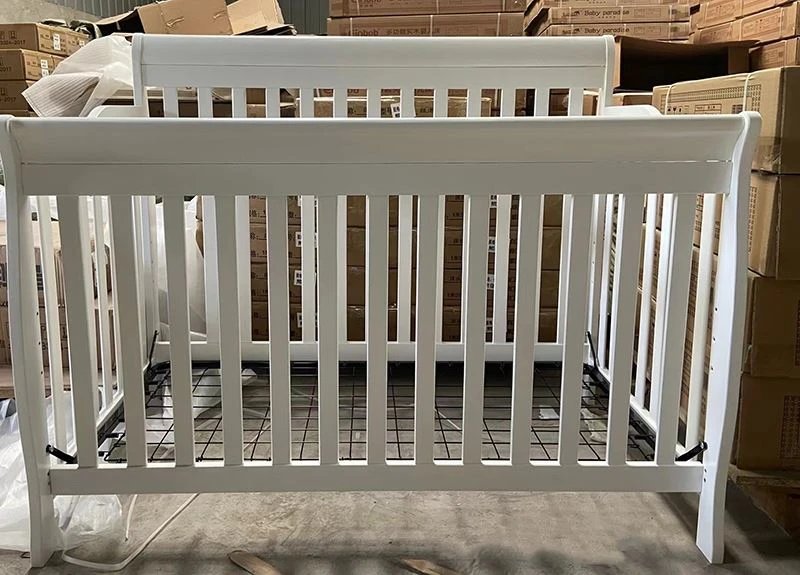
A white crib, such as the ones available at White Crib, not only looks elegant but also has some practical advantages. White reflects light, which can make the nursery seem brighter and more inviting. It also makes it easier to spot any dirt or stains, which is important for maintaining a clean and hygienic environment for the baby.
Tips for Effective Monitoring
- Placement of Monitors: Make sure to place the monitors in the right position. For cameras, ensure that they have a clear view of the crib without any obstructions. Audio monitors should be placed close enough to the crib to pick up the baby's sounds clearly.
- Regular Maintenance: Check the monitors regularly to ensure that they are working properly. Replace the batteries if needed and clean the sensors to maintain accurate readings.
- Backup Plan: Have a backup plan in case the monitor malfunctions. This could involve having a second monitor or simply relying on your own instincts and regular checks on the baby.
Conclusion
Monitoring a baby in a crib is a multi - faceted process that involves visual, audio, movement, breathing, and environmental monitoring. By using a combination of these methods and choosing the right crib, parents can ensure that their baby is safe and comfortable at all times.
As a baby crib supplier, I am committed to providing high - quality cribs and information to help parents make the best choices for their babies. If you are interested in purchasing a crib or have any questions about baby monitoring, please feel free to contact me for further discussion and procurement details.
References
- American Academy of Pediatrics. (2022). Safe sleep for your baby.
- Consumer Reports. (2023). Best baby monitors.
- National Institute of Child Health and Human Development. (2021). Infant sleep safety.