

How to ride a bike on a gravel road?
Riding a bike on a gravel road offers a unique blend of adventure and challenge, far removed from the smooth tarmac of city streets. Gravel riding allows you to explore off-the-beaten paths, discover hidden beauty, and test your cycling skills in a natural setting. As a bike supplier, I've seen many cycling enthusiasts eager to embrace the gravel riding experience. In this blog post, I'll share some valuable tips on how to ride a bike on a gravel road effectively and safely.
1. Bike Selection
When it comes to gravel road cycling, having the right bike is crucial. Gravel bikes are specifically designed for this type of terrain. They typically have wider tires with more aggressive tread patterns than road bikes, which provide better traction and stability on loose gravel. Their frames are also built to absorb shock better, giving you a more comfortable ride.
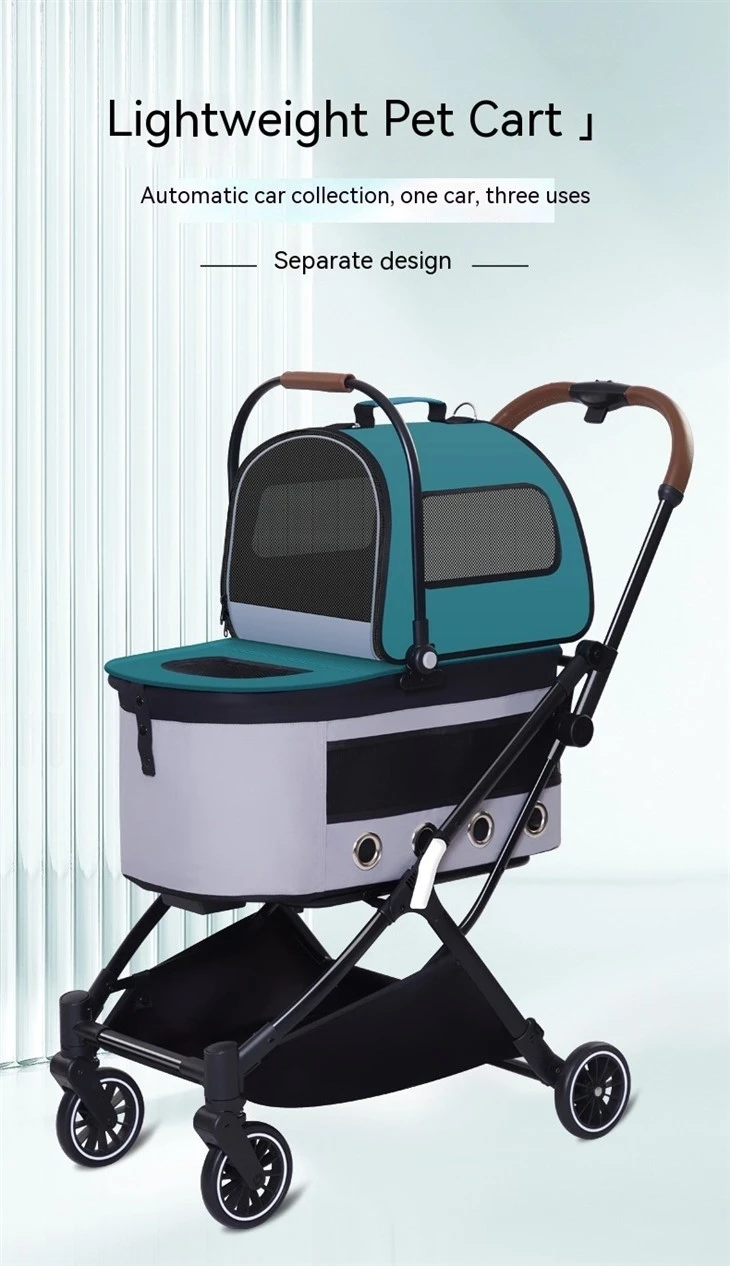
If you're considering purchasing a bike for gravel riding, we also offer a variety of options to suit different needs and budgets. Additionally, we have some related products such as the Folding Pet Stroller, which can be a great addition for those who like to take their furry friends along on the adventures, and Kids Tricycles Bicycle and Baby Bicycle Child Tricycle for family outings.
2. Tire Pressure
Tire pressure is a key factor when riding on gravel. Riding with the correct tire pressure can significantly enhance your riding experience. Lower tire pressure increases the contact area between the tire and the ground, providing better traction on loose surfaces. However, you don’t want to go too low, as this can increase the risk of pinch flats and make the bike feel sluggish.
A good starting point is to run your tires about 10 - 15 psi lower than what you would use on a smooth road. For example, if you usually run 90 psi on a road bike, try 75 - 80 psi on a gravel bike. You may need to adjust the pressure based on the type of gravel (loose, packed, etc.) and your riding style.
3. Brake Control
Braking on a gravel road is different from braking on tarmac. On gravel, the surface is less predictable, and your tires have less grip. Therefore, you need to apply the brakes more gradually and avoid sudden, hard stops which can cause your wheels to lock up and skid.
Use both brakes simultaneously, but start with a gentle application of the rear brake, followed by a more controlled use of the front brake. This helps to maintain the bike's balance and stability. When approaching a sharp turn or a downhill section, start braking early to reduce your speed gradually.
4. Body Position
Your body position plays a vital role in maintaining control on a gravel road. When riding on uneven terrain, keep your elbows slightly bent and your weight centered over the bike. This allows you to absorb shocks more effectively and react quickly to changes in the surface.
When going uphill, shift your weight forward to keep the front wheel on the ground and prevent it from lifting. On downhill sections, move your weight back to maintain traction on the rear wheel. Standing up on the pedals can also give you more control and power, especially on rough or steep sections.
5. Line Selection
Choosing the right line is essential for a smooth gravel ride. Look ahead as far as possible to anticipate changes in the terrain and select the smoothest and most stable line. Avoid large rocks, deep ruts, or loose patches of gravel if you can.
When cornering, take the outside - in - outside line. Enter the corner wide, stay low to the ground, and then exit on the outside of the turn. This helps you to maintain speed and control through the corner.
6. Cadence
Maintaining a steady cadence is important when riding on gravel. A higher cadence (faster pedaling) can help you to keep the bike moving smoothly and prevent the wheels from spinning out on loose surfaces. Aim for a cadence of around 70 - 90 rpm.
If you find yourself struggling on an uphill section, shift to a lower gear and keep pedaling steadily. This will help you to maintain your momentum and conserve energy.
7. Gear Selection
Correct gear selection is crucial for gravel riding. On flat or slightly uphill sections, use a higher gear to keep your speed up. When facing steeper hills, shift to a lower gear to make pedaling easier.
When going downhill, use a gear that allows you to maintain a controlled speed without having to rely too heavily on your brakes. Experiment with different gears to find what works best for different types of terrain.
8. Safety Gear
Safety should always be your top priority when riding on a gravel road. Wear a properly fitted helmet at all times to protect your head from injuries in case of a fall. Consider wearing padded cycling shorts, gloves, and knee and elbow pads for added comfort and protection.
Carry a basic repair kit, including a patch kit, spare tube, multitool, and a CO2 inflator. It's also a good idea to carry a mobile phone in case of an emergency.
9. Mental Preparation
Gravel riding can be mentally challenging, especially if you're new to it. The uneven terrain, unpredictable surfaces, and lack of support can be intimidating. Stay focused, positive, and confident in your abilities.
Don't be afraid to take it slow and learn from each ride. Remember that every cyclist has to start somewhere, and with practice, you'll become more comfortable and skilled at riding on gravel.
10. Training and Practice
Like any skill, gravel riding requires training and practice. Start with short, easy rides on well - maintained gravel roads to get a feel for the terrain. As you gain more confidence, gradually increase the distance and difficulty of your rides.
Join a local cycling club or group that organizes gravel rides. This can be a great way to learn from more experienced riders, share tips and tricks, and discover new gravel routes.
Conclusion
Riding a bike on a gravel road is a rewarding experience that offers a unique way to explore the outdoors. By following these tips on bike selection, tire pressure, brake control, body position, line selection, cadence, gear selection, safety gear, mental preparation, and training, you can enjoy a safe and enjoyable gravel riding experience.

As a bike supplier, we're here to support you on your gravel riding journey. Whether you're looking for the perfect bike, accessories, or advice, we've got you covered. If you're interested in our products and want to discuss potential purchases, feel free to reach out to us. We're eager to engage in meaningful procurement discussions to meet your cycling needs.
References
- Cycling Tips Magazine. "Gravel Riding Basics."
- Bicycle Retailer and Industry News. "Best Practices for Gravel Biking."
- Outdoor Cycling Association. "Gravel Road Cycling Guide."