

How to set up the saddle height on a mountain bike?
Setting up the saddle height on a mountain bike is a crucial adjustment that can significantly enhance your riding experience. As a seasoned mountain bike supplier, I've witnessed firsthand how a properly adjusted saddle height can transform a ride from uncomfortable to enjoyable, and from inefficient to efficient. In this blog post, I'll guide you through the process of setting up the saddle height on your mountain bike, sharing some tips and tricks along the way.
Why Saddle Height Matters
Before we dive into the setup process, let's understand why saddle height is so important. A correctly adjusted saddle height ensures that your legs can extend fully during the pedal stroke without overextending or feeling cramped. This optimal leg extension allows you to generate more power with each pedal stroke, leading to increased speed and efficiency. Moreover, it helps prevent injuries by reducing stress on your knees, hips, and lower back.
On the other hand, an incorrect saddle height can lead to a host of problems. A saddle that is too low can cause your knees to over-bend, leading to knee pain and decreased power output. Conversely, a saddle that is too high can cause your hips to rock from side to side, leading to discomfort and inefficient pedaling. Therefore, getting the saddle height right is essential for both performance and comfort.
Measuring Your Inseam
The first step in setting up the saddle height is to measure your inseam. This measurement will serve as the basis for determining the appropriate saddle height for your bike. To measure your inseam, stand barefoot against a wall with your feet shoulder-width apart. Place a book between your legs, pressing it firmly against your crotch. Make sure the book is parallel to the floor. Mark the point on the wall where the top of the book touches it. Measure the distance from the floor to the mark on the wall. This measurement is your inseam.
Calculating the Saddle Height
Once you have your inseam measurement, you can calculate the approximate saddle height for your mountain bike. A common formula for calculating saddle height is to multiply your inseam measurement (in centimeters) by 0.883. For example, if your inseam is 80 centimeters, the approximate saddle height would be 80 x 0.883 = 70.64 centimeters.
However, it's important to note that this is just a starting point. The optimal saddle height can vary depending on factors such as your riding style, flexibility, and the type of mountain biking you do. Therefore, you may need to make some adjustments based on your personal preferences and comfort.

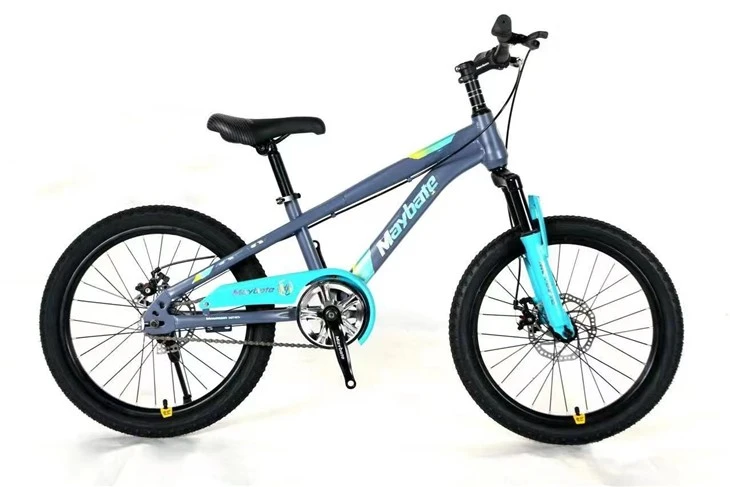
Adjusting the Saddle Height
Now that you have an approximate saddle height, it's time to adjust the saddle on your mountain bike. Here's a step-by-step guide on how to do it:
- Loosen the Seat Clamp: Use an Allen wrench to loosen the seat clamp bolt located under the seat post. This will allow you to move the seat post up or down.
- Adjust the Seat Post: Carefully slide the seat post up or down to the desired height. Make sure the seat post is straight and centered in the frame.
- Tighten the Seat Clamp: Once you have adjusted the seat post to the desired height, use the Allen wrench to tighten the seat clamp bolt. Make sure the bolt is tightened securely, but not too tight that it damages the seat post.
- Check the Saddle Angle: In addition to adjusting the saddle height, you may also need to adjust the saddle angle. A slight forward or backward tilt can help improve your comfort and riding position. Use the seat clamp to adjust the saddle angle as needed.
Fine-Tuning the Saddle Height
After making the initial adjustment, it's important to fine-tune the saddle height based on your riding experience. Here are some tips to help you fine-tune the saddle height:
- Test Ride: Take your mountain bike for a test ride on a flat surface. Pay attention to how your legs feel during the pedal stroke. If your knees feel strained or if you can't fully extend your legs, the saddle may be too low. If your hips are rocking from side to side or if you feel like you're reaching too far for the pedals, the saddle may be too high.
- Make Small Adjustments: Based on your test ride, make small adjustments to the saddle height. You can raise or lower the saddle by a few millimeters at a time until you find the optimal height.
- Listen to Your Body: Your body is the best indicator of whether the saddle height is correct. If you experience any pain or discomfort during the ride, stop and make adjustments as needed.
Other Factors to Consider
In addition to saddle height, there are other factors that can affect your riding comfort and performance. Here are some other factors to consider:
- Handlebar Height and Position: The height and position of your handlebars can also affect your riding position and comfort. Make sure the handlebars are adjusted to a comfortable height and angle for your riding style.
- Pedal Type and Cleat Position: The type of pedals you use and the position of your cleats can also affect your pedaling efficiency and comfort. Make sure you choose the right pedals for your riding style and adjust the cleat position as needed.
- Frame Size: The size of your mountain bike frame can also affect your riding comfort and performance. Make sure you choose a frame size that is appropriate for your height and riding style.
Conclusion
Setting up the saddle height on a mountain bike is a crucial adjustment that can significantly enhance your riding experience. By following the steps outlined in this blog post, you can ensure that your saddle is adjusted to the optimal height for your body and riding style. Remember to take your time, make small adjustments, and listen to your body. With a properly adjusted saddle height, you'll be able to enjoy a more comfortable, efficient, and enjoyable mountain biking experience.
If you're in the market for a new mountain bike or need help with setting up your current bike, we're here to assist you. As a leading mountain bike supplier, we offer a wide range of high-quality mountain bikes, including the Best Beginner Mountain Bike, Adult Mountain Bike, and Trail Mountain Bikes for Men. Our team of experts is available to answer your questions and provide you with personalized advice. Contact us today to learn more about our products and services and to start your mountain biking journey.
References
- "Bicycle Fit: Saddle Height and Position" by Sheldon Brown
- "How to Adjust Your Saddle Height" by Park Tool
- "The Importance of Saddle Height" by CyclingTips