

How to store a Walker Stroller when not in use?
Hey there! As a supplier of Walker Strollers, I've seen it all when it comes to these nifty little contraptions. One question that often pops up from our customers is, "How do I store a Walker Stroller when it's not in use?" Well, you're in luck because I'm gonna share some top - notch tips with you on this very topic.
First things first, let's talk about why proper storage is so important. A Walker Stroller is an investment, and if you don't store it correctly, it can get damaged. This can lead to issues like rust on the metal parts, wear and tear on the fabric, or even misalignment of the wheels. All these problems can reduce the lifespan of your stroller and make it less safe for your little one.
Step 1: Clean the Walker Stroller
Before you even think about storing your Walker Stroller, you need to give it a good clean. Babies are messy little critters, and there's bound to be some food crumbs, dirt, or drool on the stroller. Start by removing any detachable parts like the seat cover, tray, or toys. You can usually toss these in the washing machine on a gentle cycle.
For the main frame of the stroller, use a mild soap and water solution. A soft sponge or cloth is your best bet to avoid scratching the surface. Make sure to clean every nook and cranny, including the wheels and the joints. Once you're done, dry it thoroughly with a clean towel. This helps prevent mold and mildew from forming, especially if you're storing it in a damp area.
Step 2: Fold the Stroller (If Applicable)
Most modern Walker Strollers are designed to be foldable, which makes storage a whole lot easier. Check your stroller's user manual to find out the correct folding method. It usually involves pressing a few buttons or pulling some levers. Once it's folded, make sure it's secure and won't unfold on its own.
If your stroller has a locking mechanism, engage it to keep it in the folded position. Some strollers even come with a carrying strap or a bag for easy transportation and storage. This can be really handy if you're short on space or need to move the stroller around.
Step 3: Choose the Right Storage Location
Now, let's talk about where to store your Walker Stroller. The ideal location should be dry, cool, and away from direct sunlight. Sunlight can fade the colors of the stroller and damage the plastic and fabric parts over time.
A closet is a great option. It keeps the stroller out of the way and protected from dust. If you don't have a closet, you can also use a storage shed or a garage. Just make sure these areas are well - ventilated to prevent moisture buildup.
Avoid storing the stroller in a damp basement or a hot attic. Basements are prone to flooding and high humidity, which can cause rust and mold. Attics can get extremely hot in the summer, which can warp the plastic parts of the stroller.
Step 4: Protect the Stroller
Once you've found the perfect storage spot, it's time to protect the stroller. You can use a stroller cover to keep it clean and dust - free. There are many different types of covers available on the market, from simple plastic covers to more heavy - duty fabric ones.
If you don't have a cover, you can also use an old sheet or a blanket. Just make sure it's large enough to fully cover the stroller. This not only protects it from dust but also from any accidental scratches or bumps.
Step 5: Check on the Stroller Regularly
Even when the stroller is in storage, it's a good idea to check on it every once in a while. This allows you to catch any potential problems early on. Look for signs of rust, mold, or damage to the fabric. If you notice any issues, address them right away.
For example, if you see a little bit of rust on the metal parts, you can use a rust remover to clean it up. If the fabric is starting to show signs of wear, you might need to replace it. Regular checks also give you a chance to make sure the stroller is still folded correctly and securely.
Different Types of Walker Strollers and Their Storage
Now, let's take a look at some different types of Walker Strollers and how their storage might vary.
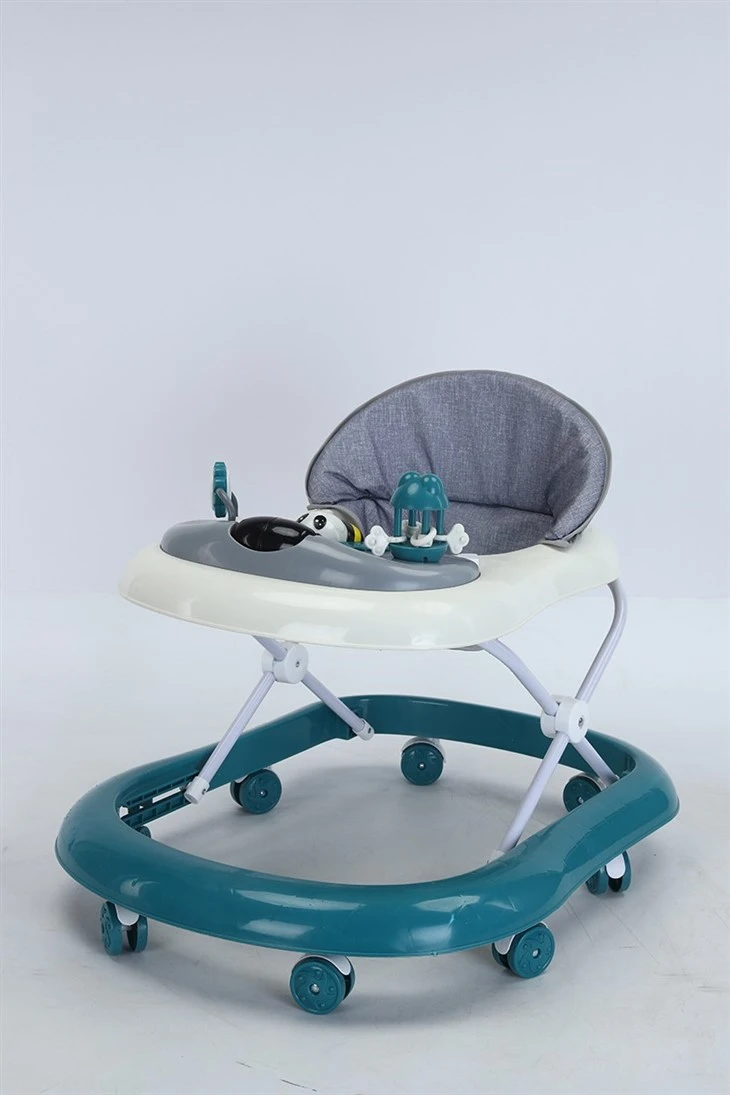
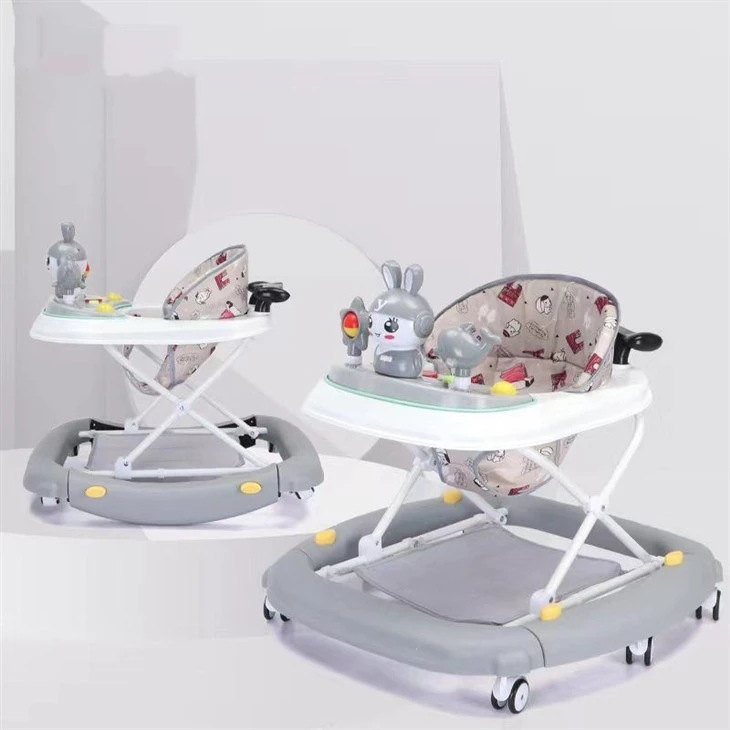
Best Infant Walker
The Best Infant Walker is usually designed for very young babies. These strollers are often more compact and lightweight. They're easy to fold and store in a small space. Since they're used indoors most of the time, you can store them in a corner of your living room or a nursery closet. Just make sure to clean them regularly, especially if your baby has been using them while eating.
Push And Sit Walker
The Push And Sit Walker is a bit more versatile. It allows your baby to either sit and play or be pushed around like a traditional stroller. These strollers might have more features and a larger frame. When storing them, make sure to fold them properly and find a spot where they won't get in the way. A garage or a storage shed might be a good option if you have one.
Wheeled Infant Walker
The Wheeled Infant Walker is great for outdoor use. It has larger wheels and a more sturdy frame. These strollers can be a bit bulkier to store. You might need to clear out some space in your closet or use a storage rack. Make sure to clean the wheels thoroughly before storage to prevent dirt and debris from getting stuck.
Conclusion
Storing a Walker Stroller properly is essential to keep it in good condition and ensure its longevity. By following these steps, you can make sure your stroller is ready to use whenever you need it. Remember, a well - stored stroller is not only safer for your baby but also saves you money in the long run by reducing the need for repairs and replacements.
If you're in the market for a new Walker Stroller or have any questions about our products, don't hesitate to reach out. We're here to help you find the perfect stroller for your little one and provide you with all the information you need for proper care and storage.
References
- General knowledge from years of experience as a Walker Stroller supplier.
- User manuals of various Walker Strollers.