

Is it safe to use a bumper in a baby crib?
As a baby crib supplier, I've faced numerous queries from parents regarding the safety of using bumpers in a baby crib. It's a topic that stirs a lot of debate, and I thought it'd be good to share my take on it to help you make an informed decision.
First things first, let's talk about what crib bumpers are. They're soft pads that line the inside of a crib, meant to prevent a baby from getting their arms, legs, or head stuck between the crib bars. Sounds pretty useful, right? But here's where the controversy kicks in.
The American Academy of Pediatrics (AAP) has been pretty clear on this issue. They recommend against using crib bumpers due to several safety concerns. One of the biggest risks is suffocation. If a baby rolls over onto a bumper, it can block their airway, leading to a potentially fatal situation. Babies are still learning to control their movements, and they might accidentally get their face pressed against the bumper.
Another risk is entrapment. In some cases, a baby's limb can get caught in the gaps of the bumper, or a baby might end up wedged between the bumper and the crib rail. This can cause injury or even strangulation. It's not a common occurrence, but it's a risk that parents should be aware of.
Let's look at the other side of the coin. Some parents still swear by crib bumpers because they believe it provides a sense of security for their little ones. Babies can startle themselves awake with their sudden movements, and the bumper can prevent them from hitting the hard crib bars, which might wake them up. Also, during the teething phase, a baby might chew on the bumper instead of the wooden crib edges.
However, when it comes to safety, we can't take any chances. There are alternatives that can still provide the benefits of a bumper without the risks. For instance, you can use tightly - fitted sheets that reduce the chances of a baby's limb getting trapped. You can also consider using breathable mesh liners that allow air to flow freely, reducing the suffocation risk.
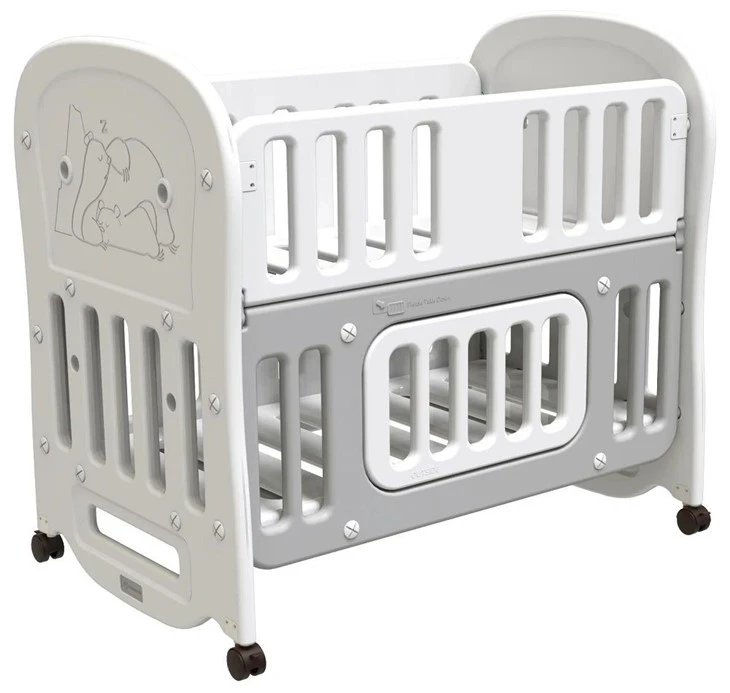
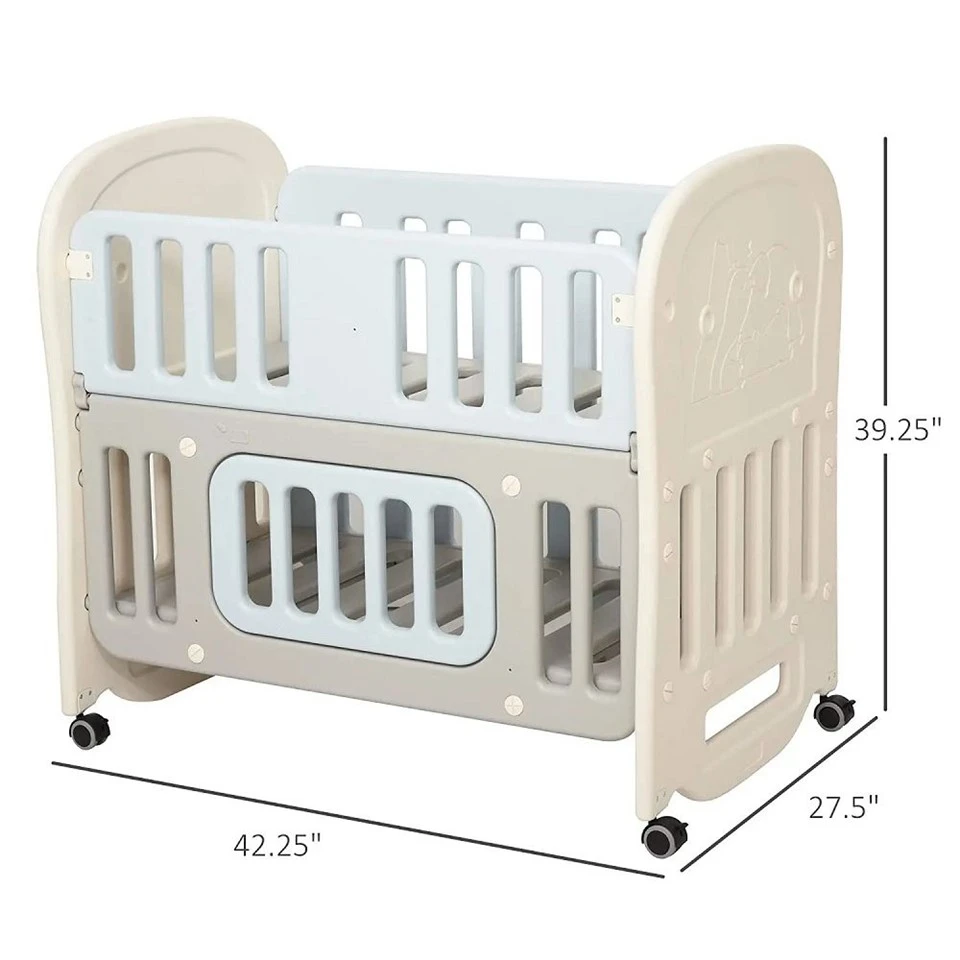
If you're in the market for a baby crib, we have a variety of options. Check out our Child Floor Bed – it's a great choice for infants who are starting to roll over and move around. It's closer to the ground, which reduces the risk of falls. Our Wood Crib is made from high - quality wood, providing a sturdy and safe sleeping environment for your baby. And if you're on the go, our Portable Baby Crib is lightweight and easy to set up, making it perfect for travel.
Now, let's address some of the myths around crib bumpers. One myth is that modern bumpers are safer. Some manufacturers claim that their bumpers are breathable or have a special design that reduces risks. But the truth is, no matter how well - designed they are, there's still a potential danger. The AAP hasn't changed its stance on this, and we should take their advice seriously.
Another myth is that only older babies are at risk. In fact, even newborns can be in danger. Newborns have limited mobility, but they can still roll their heads into a bumper and have trouble breathing. So, it's best to avoid using them from the start.
As a supplier, my top priority is the safety of your little ones. We've done a lot of research on the products we offer, and we make sure that everything meets the highest safety standards. We understand that you want the best for your baby, and we're here to help you make the right choices.
If you're still unsure about whether to use a bumper or not, I'd recommend having a chat with your pediatrician. They can give you personalized advice based on your baby's development and needs.
In the end, the decision is yours, but I hope this blog has given you a better understanding of the risks and benefits of using a bumper in a baby crib. Safety should always come first, and there are plenty of safe alternatives out there.
If you're interested in our baby cribs or have any questions, don't hesitate to reach out. We'd love to help you find the perfect crib for your precious one. We can have a detailed discussion about the features, prices, and any customization options you might need. Just come to us, and let's start this exciting journey of finding a secure and comfortable sleeping place for your baby.
References:
- American Academy of Pediatrics. “Safe Sleep for Your Baby: AAP Recommendations.” Pediatrics, Vol. 128, No. 5, 2011.
- National Institutes of Health. “Infant Sleep Safety: A Review of Evidence and Recommendations.” Journal of Pediatric Research, Vol. 70, No. 4, 2016.