

What age range is appropriate for a pushchair walker?
When it comes to the development of infants and toddlers, parents often seek products that can aid in their growth while ensuring safety and comfort. One such popular product is the pushchair walker, a device designed to assist young children in learning to walk. As a pushchair walker supplier, I am frequently asked about the appropriate age range for using these walkers. In this blog post, I will delve into this topic, providing scientific insights and practical advice to help parents make informed decisions.
Understanding the Developmental Stages
Before determining the appropriate age range for a pushchair walker, it's crucial to understand the typical developmental stages of infants and toddlers. According to the World Health Organization (WHO), most babies start to sit without support between 6 and 8 months of age. By 9 to 12 months, they may begin to pull themselves up to stand and take their first steps while holding onto furniture. This period is known as the "cruising" stage, where children use their hands to move along surfaces.
The Ideal Age Range for Pushchair Walkers
Based on these developmental milestones, the ideal age range for a pushchair walker is generally between 9 and 18 months. At around 9 months, many babies have developed the strength and coordination to sit upright and support their weight. They are also starting to show an interest in exploring their surroundings and may be eager to move around independently. A pushchair walker can provide them with the support and stability they need to take those first steps.
By the time a child reaches 18 months, they are usually well on their way to walking independently. At this stage, they may still enjoy using a pushchair walker for added support and fun, but it is no longer essential for their development.
Benefits of Using a Pushchair Walker
Using a pushchair walker within the appropriate age range can offer several benefits for infants and toddlers. Here are some of the key advantages:
- Motor Skill Development: Pushchair walkers help children develop their gross motor skills, such as balance, coordination, and leg strength. By pushing the walker forward, they learn to control their movements and build the muscles needed for walking.
- Exploration and Independence: Walkers allow children to explore their environment more freely, which can stimulate their cognitive and social development. They can move around at their own pace, discover new objects, and interact with their surroundings.
- Confidence Building: As children become more proficient at using the walker, they gain confidence in their ability to move independently. This can have a positive impact on their self-esteem and encourage them to take on new challenges.
Safety Considerations
While pushchair walkers can be a valuable tool for early development, it's important to use them safely. Here are some safety tips to keep in mind:
- Choose the Right Walker: Make sure the walker is appropriate for your child's age, weight, and height. Look for a walker that is stable, has a wide base, and adjustable features to ensure a proper fit.
- Supervise Your Child: Always supervise your child when they are using a pushchair walker. Never leave them unattended, even for a short period of time.
- Use in a Safe Environment: Set up the walker in a safe, open area free of obstacles, stairs, and other hazards. Avoid using the walker on slippery surfaces or near electrical cords.
- Follow the Manufacturer's Instructions: Read and follow the manufacturer's instructions carefully to ensure proper use and maintenance of the walker.
Types of Pushchair Walkers
There are several types of pushchair walkers available on the market, each with its own features and benefits. Here are some of the most common types:
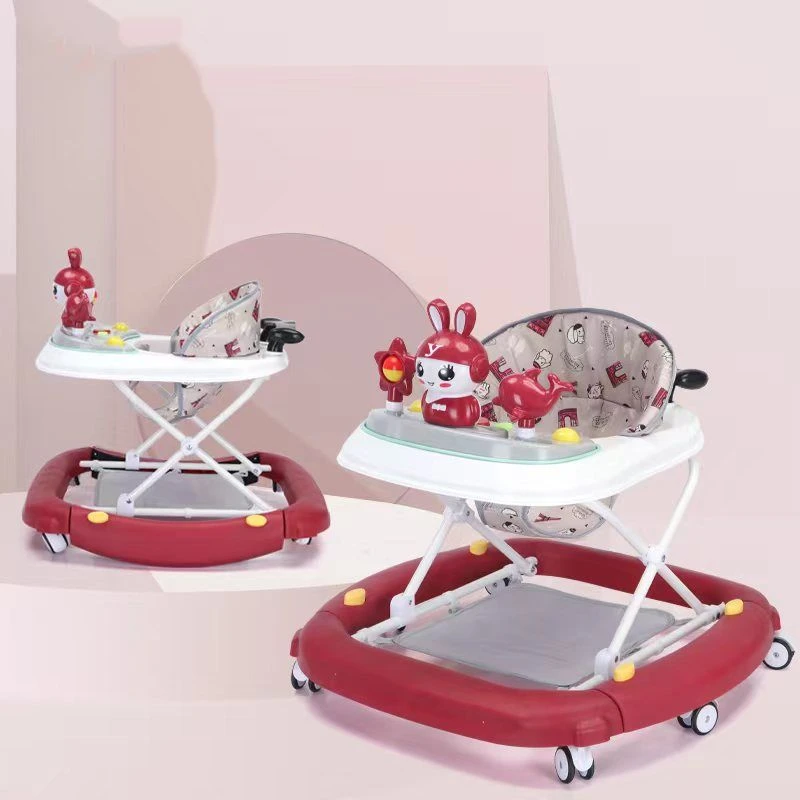
- Walker Stroller: A Walker Stroller combines the functionality of a stroller and a walker. It can be used as a traditional stroller for younger infants and then converted into a walker as the child grows.
- Push Toy Walker: A Push Toy Walker is a walker that is designed to be pushed by the child. It often comes with a toy or activity center attached to the front, which can provide additional entertainment and stimulation.
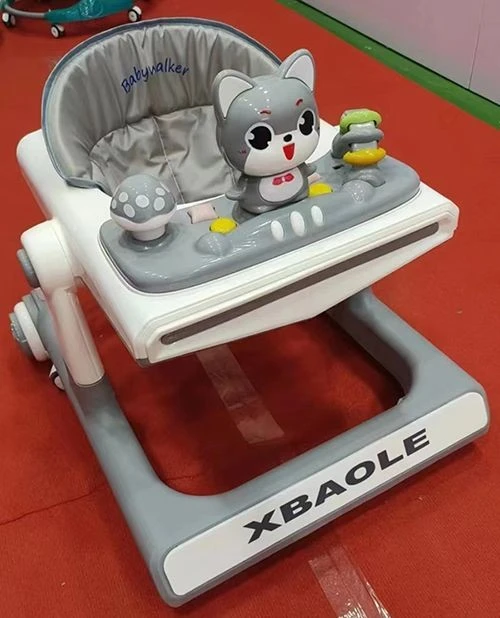
- Best Infant Walker: The Best Infant Walker is a high-quality walker that is designed to meet the specific needs of infants. It typically has a comfortable seat, adjustable height settings, and a variety of features to promote development.
Conclusion
In conclusion, the appropriate age range for a pushchair walker is generally between 9 and 18 months. Using a walker within this age range can offer several benefits for infants and toddlers, including motor skill development, exploration, and confidence building. However, it's important to use the walker safely and choose the right type for your child's needs.
As a pushchair walker supplier, I am committed to providing high-quality products that meet the highest standards of safety and performance. If you have any questions or would like to learn more about our pushchair walkers, please feel free to contact us. We would be happy to assist you in finding the perfect walker for your child.
References
- World Health Organization. (2020). Milestones of child development. Retrieved from https://www.who.int/childgrowth/standards/milestones/en/
- American Academy of Pediatrics. (2019). Infant walkers: Not recommended. Retrieved from https://www.healthychildren.org/English/safety-prevention/at-home/Pages/Infant-Walkers-Not-Recommended.aspx