

What are the pros and cons of a carbon fiber mountain bike?
As a mountain bike supplier, I've had the privilege of witnessing the evolution of mountain bikes firsthand. One material that has revolutionized the industry is carbon fiber. In this blog post, I'll explore the pros and cons of carbon fiber mountain bikes, helping you make an informed decision when considering your next purchase.
Pros of Carbon Fiber Mountain Bikes
Lightweight Design
One of the most significant advantages of carbon fiber mountain bikes is their lightweight nature. Carbon fiber is an incredibly strong and lightweight material, allowing manufacturers to create frames that are significantly lighter than those made from other materials such as aluminum or steel. A lighter bike means less effort is required to pedal, climb hills, and maneuver through technical terrain. This can be especially beneficial for riders who participate in races or long-distance rides, as it can improve their overall performance and reduce fatigue.
For example, a carbon fiber mountain bike frame can weigh as little as 1.5 kilograms, compared to an aluminum frame that can weigh up to 2.5 kilograms. This weight difference can make a noticeable impact on a rider's speed and agility, especially when climbing steep hills or accelerating out of corners.
Strength and Durability
Despite its lightweight, carbon fiber is also incredibly strong and durable. Carbon fiber frames are designed to withstand the rigors of off-road riding, including impacts, vibrations, and stress. The material's high strength-to-weight ratio means that it can absorb and distribute forces evenly, reducing the risk of damage or failure.
In addition, carbon fiber is resistant to corrosion and rust, making it an ideal choice for riders who live in wet or humid environments. Unlike aluminum or steel frames, carbon fiber frames do not require regular maintenance to prevent rust and corrosion, which can save riders time and money in the long run.
Vibration Damping
Another advantage of carbon fiber mountain bikes is their ability to dampen vibrations. Carbon fiber has a natural ability to absorb and dissipate vibrations, which can provide a smoother and more comfortable ride. This is especially beneficial for riders who spend long hours on the bike, as it can reduce fatigue and discomfort.
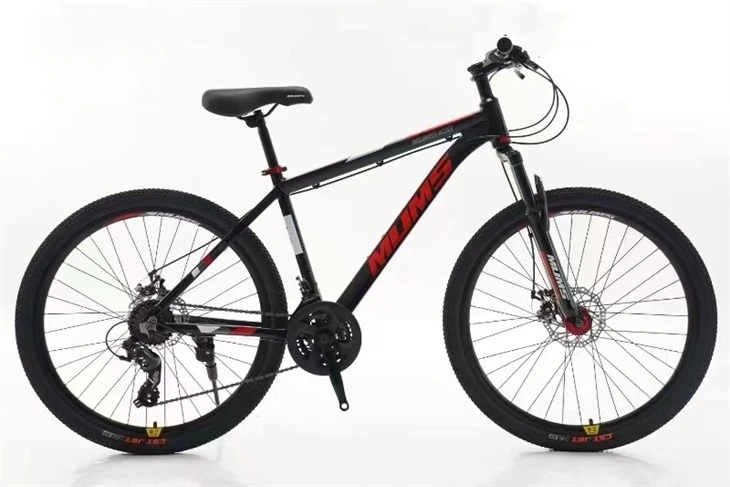
Vibration damping can also improve a rider's control and handling, as it reduces the amount of feedback and chatter transmitted through the frame. This can make it easier to maintain traction and stability on rough or uneven terrain, allowing riders to push themselves harder and ride more aggressively.
Aerodynamics
Carbon fiber mountain bikes are also known for their aerodynamic properties. The material's smooth and streamlined surface reduces drag, allowing riders to move through the air more efficiently. This can be especially beneficial for riders who participate in road races or time trials, as it can improve their speed and performance.
In addition, carbon fiber frames can be designed with aerodynamic shapes and features, such as tapered head tubes and integrated seatposts, to further reduce drag and improve efficiency. This can give riders a competitive edge over their opponents, especially in races where every second counts.
Customization Options
Carbon fiber mountain bikes offer a wide range of customization options, allowing riders to tailor their bikes to their specific needs and preferences. Manufacturers can use carbon fiber to create frames with different shapes, sizes, and geometries, depending on the rider's height, weight, and riding style.
In addition, carbon fiber frames can be painted or finished in a variety of colors and patterns, allowing riders to express their personal style and make their bikes stand out from the crowd. This can be especially appealing to riders who want a bike that is not only functional but also looks great.
Cons of Carbon Fiber Mountain Bikes
High Cost
One of the biggest drawbacks of carbon fiber mountain bikes is their high cost. Carbon fiber is an expensive material to produce, and the manufacturing process is complex and time-consuming. As a result, carbon fiber mountain bikes are typically more expensive than bikes made from other materials such as aluminum or steel.
The cost of a carbon fiber mountain bike can range from a few thousand dollars to over ten thousand dollars, depending on the brand, model, and features. This can make carbon fiber mountain bikes inaccessible to many riders, especially those on a budget.
Susceptibility to Damage
While carbon fiber is a strong and durable material, it is also susceptible to damage. Carbon fiber frames can be easily damaged by impacts, scratches, and abrasions, which can compromise their structural integrity and reduce their lifespan.
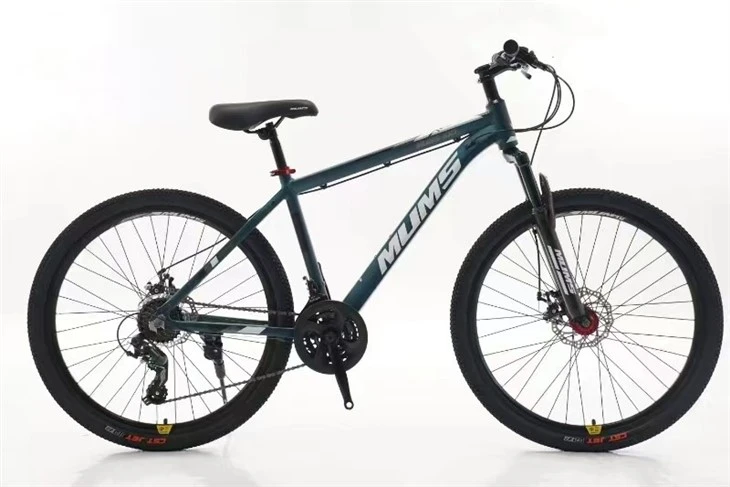
In addition, carbon fiber frames are more difficult to repair than frames made from other materials such as aluminum or steel. Repairing a carbon fiber frame requires specialized equipment and expertise, and the cost of repairs can be significant.
Limited Lifespan
Carbon fiber mountain bikes have a limited lifespan compared to bikes made from other materials such as aluminum or steel. Over time, the carbon fiber material can degrade and weaken, especially if the bike is exposed to extreme temperatures, humidity, or sunlight.
In addition, carbon fiber frames can develop cracks or delamination over time, which can compromise their structural integrity and reduce their safety. As a result, carbon fiber mountain bikes typically need to be replaced every few years, which can be costly for riders.

Environmental Impact
The production of carbon fiber mountain bikes has a significant environmental impact. The manufacturing process requires large amounts of energy and resources, and the disposal of carbon fiber frames can be difficult and expensive.
In addition, carbon fiber is not a renewable resource, and its production can contribute to deforestation, water pollution, and greenhouse gas emissions. As a result, riders who are concerned about the environment may want to consider other options when choosing a mountain bike.
Conclusion
In conclusion, carbon fiber mountain bikes offer a number of advantages, including lightweight design, strength and durability, vibration damping, aerodynamics, and customization options. However, they also have some drawbacks, including high cost, susceptibility to damage, limited lifespan, and environmental impact.
As a mountain bike supplier, I understand that choosing the right bike can be a difficult decision. That's why I recommend that riders consider their budget, riding style, and personal preferences when choosing a mountain bike. If you're looking for a high-performance bike that offers the latest technology and features, a carbon fiber mountain bike may be the right choice for you. However, if you're on a budget or looking for a more durable and long-lasting bike, a bike made from other materials such as aluminum or steel may be a better option.
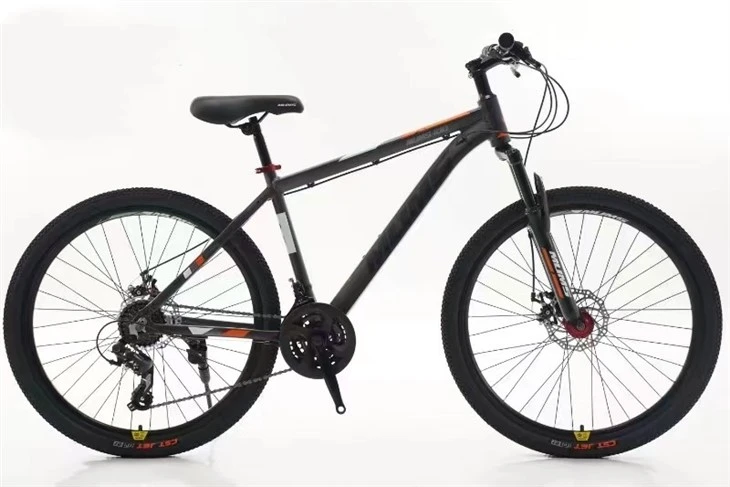
If you're interested in learning more about carbon fiber mountain bikes or would like to discuss your options with one of our experts, please don't hesitate to [contact us for a purchase consultation]. We'll be happy to answer your questions and help you find the perfect bike for your needs.
References
- "Carbon Fiber Mountain Bikes: The Pros and Cons." Bicycling, 2023.
- "The Benefits of Carbon Fiber Bikes." Cycling Weekly, 2023.
- "Carbon Fiber vs. Aluminum Bikes: Which Is Right for You?" BikeRadar, 2023.