

What are the sleep training methods for a baby in a crib?
As a dedicated supplier of Baby Cribs, I've witnessed firsthand the concerns and questions parents have about getting their little ones to sleep soundly in a crib. Sleep training is a crucial aspect of a baby's development, and finding the right method can make all the difference. In this blog, I'll explore various sleep training methods for babies in a crib and share some insights to help you make an informed decision.
Understanding the Importance of Sleep Training
Before delving into the methods, it's essential to understand why sleep training is so important. A well - rested baby is generally happier, more alert, and better able to learn and develop. For parents, a baby who sleeps well in the crib means more rest for themselves, which is vital for their own well - being and ability to care for their child.
The Ferber Method
The Ferber method, also known as graduated extinction, is one of the most well - known sleep training methods. Developed by Dr. Richard Ferber, this method involves gradually increasing the time between your visits to your baby when they cry at bedtime.
When you first start the Ferber method, put your baby in the crib drowsy but awake. If they start to cry, wait for a short period, say 3 minutes, before going in to comfort them without picking them up. Then, gradually increase the waiting time with each subsequent visit. For example, the next time you might wait 5 minutes, then 10 minutes, and so on.
This method helps the baby learn to self - soothe and fall asleep on their own. It can be challenging for parents, as it involves listening to their baby cry, but many find that it leads to significant improvements in their baby's sleep patterns within a few days to a week.
The Weissbluth Method
Dr. Marc Weissbluth's method focuses on setting a consistent sleep schedule and making sure the baby is put to bed at the right time. According to this method, babies have a "window of opportunity" for falling asleep easily. If you miss this window, the baby can become overtired and have a harder time falling asleep.
To implement the Weissbluth method, you need to observe your baby's natural sleep patterns and determine the optimal bedtime. For younger babies, this might be earlier in the evening, while older babies can stay up a bit later. Keep the crib environment calm and dark, and establish a consistent bedtime routine. This could include a warm bath, a story, and a lullaby.
The No - Cry Sleep Solution
For parents who are not comfortable with the idea of letting their baby cry, the No - Cry Sleep Solution, developed by Elizabeth Pantley, is an alternative. This method focuses on making small, gradual changes to your baby's sleep habits.
It involves things like creating a cozy sleep environment, using gentle touch or rocking to soothe the baby, and gradually reducing the amount of intervention as the baby gets used to falling asleep on their own. For example, you might start by rocking your baby to sleep and then slowly transition to just holding them until they are drowsy and then putting them in the crib.
The Chair Method
The Chair Method is a gradual approach that involves sitting in a chair next to the baby's crib until they fall asleep. Over time, you gradually move the chair further away from the crib.
Start by sitting right next to the crib and soothing your baby as needed. As your baby gets used to falling asleep with you nearby, move the chair a few feet away each night. Eventually, you'll be able to sit outside the room, and your baby will learn to fall asleep independently.
Choosing the Right Crib for Sleep Training
As a Baby Crib supplier, I know that the right crib can also play a significant role in sleep training. We offer a variety of cribs that are designed with your baby's comfort and safety in mind.
The Folding Crib is a great option for parents who need a portable and easy - to - store crib. It can be easily set up and taken down, making it perfect for travel or for use in different rooms of the house.
Our Lightweight And Portable Baby Bassinet is ideal for newborns. It provides a cozy and secure space for the baby to sleep, and its lightweight design makes it easy to move around.

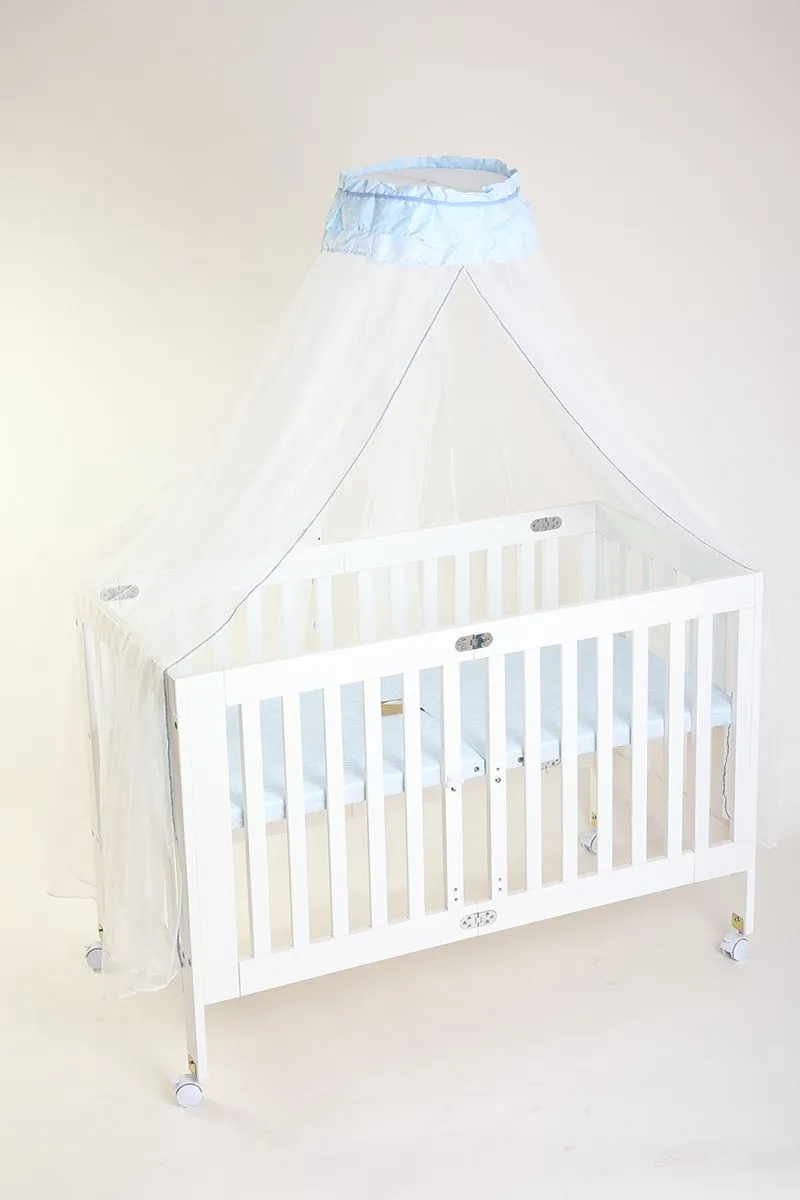
For older babies, the Child Floor Bed can be a great choice. It allows the baby to have more freedom of movement while still providing a safe sleeping area.
Tips for Successful Sleep Training
- Consistency is key: No matter which sleep training method you choose, it's important to be consistent. Stick to the same bedtime routine and method every night.
- Create a sleep - friendly environment: Keep the crib room dark, quiet, and at a comfortable temperature. You can use a white noise machine to block out any distractions.
- Be patient: Sleep training takes time, and every baby is different. Don't get discouraged if you don't see immediate results.
Conclusion
Sleep training a baby in a crib can be a challenging but rewarding process. By understanding the different methods available and choosing the one that suits your family's needs, you can help your baby develop healthy sleep habits. And remember, the right crib can make a big difference in your baby's comfort and ability to sleep well.
If you're interested in learning more about our Baby Crib products or have any questions about sleep training, we'd love to hear from you. Contact us to start a conversation about your baby's sleep needs and how our cribs can support a good night's rest.
References
- Ferber, R. (1985). Solve Your Child's Sleep Problems. Simon & Schuster.
- Weissbluth, M. (2006). Healthy Sleep Habits, Happy Child. Ballantine Books.
- Pantley, E. (2002). The No - Cry Sleep Solution: Gentle Ways to Help Your Baby Sleep Through the Night. McGraw - Hill.