

What is the average width of a children tricycle?
When it comes to children's tricycles, one question that often arises among parents, educators, and those in the market for these products is: What is the average width of a children tricycle? As a seasoned supplier of children tricycles, I've delved deep into this topic to provide you with a comprehensive understanding.
Factors Influencing the Width of Children Tricycles
The width of a children tricycle is not a one - size - fits - all measurement. It is influenced by several key factors.
Age and Size of the Child
Tricycles are designed to accommodate different age groups, from toddlers to young children. For toddlers, tricycles are generally narrower as they are smaller in size and have less developed motor skills. These tricycles need to be more maneuverable, so a narrower width allows for easier turning and handling. On the other hand, tricycles for older children are wider to provide more stability and support. As children grow, they gain more strength and balance, and a wider base helps them feel more secure while riding.
Design and Functionality
The design of the tricycle also plays a significant role in determining its width. Some tricycles are designed with additional features such as a canopy to protect the child from the sun. A Child Tricycle With Canopy often has a wider frame to support the structure of the canopy. The canopy needs to be wide enough to provide adequate shade, which in turn requires a broader base for the tricycle.
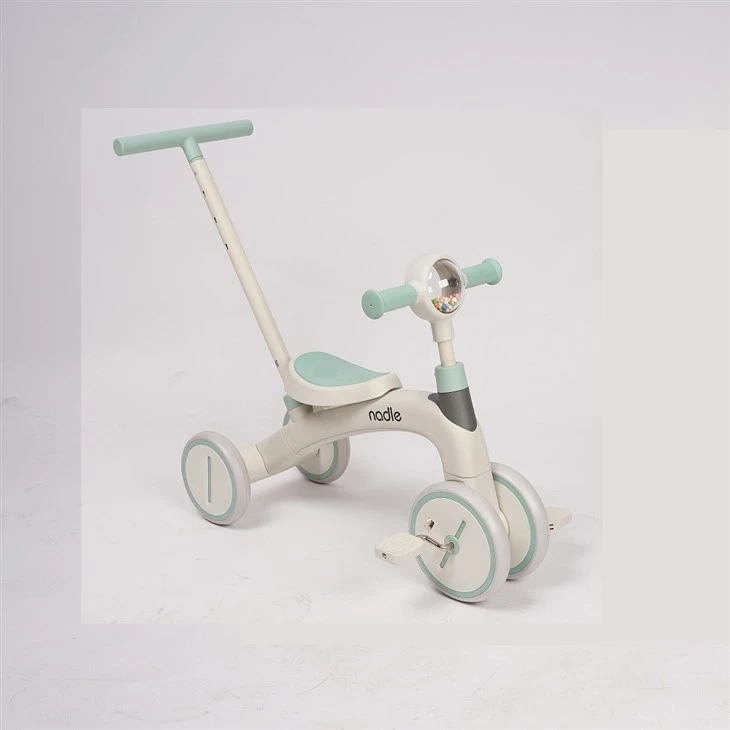
Lightweight tricycles, like the Lightweight Tricycle, are engineered to be as portable and easy to handle as possible. These tricycles may have a relatively narrower width to reduce weight and increase agility. They are ideal for children who are just learning to ride and need a more manageable vehicle.
Safety Considerations
Safety is of utmost importance when it comes to children's tricycles. A wider tricycle generally offers more stability, reducing the risk of tipping over. Tricycles with a wider wheelbase are less likely to topple during sharp turns or sudden stops. This is especially crucial for children who are still developing their balance and coordination skills. For example, a 3 Wheel Baby Childrens Push tricycle, which is often used for younger children, may have a wider width to ensure maximum safety.
Average Width Ranges
Based on our extensive experience and research in the children tricycle market, we can provide some general average width ranges.
For tricycles designed for toddlers aged 1 - 2 years, the average width typically ranges from 12 to 16 inches. These tricycles are designed to be small and lightweight, allowing toddlers to easily reach the pedals and handlebars. The narrower width also makes it easier for parents to assist and guide their little ones while they are learning to ride.
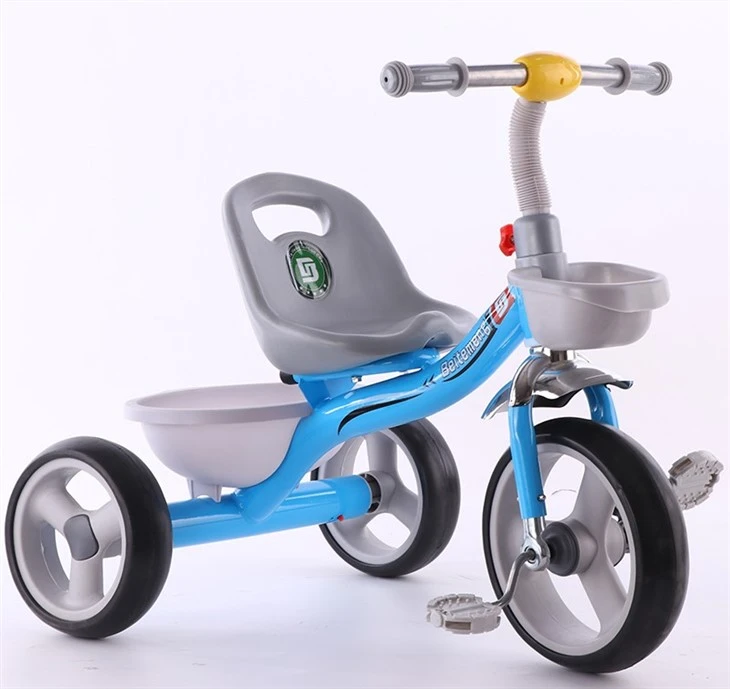
As children grow older, around 3 - 5 years old, the average width of tricycles increases to between 16 and 20 inches. At this age, children have more control over their movements and can handle a wider and more stable tricycle. The additional width provides the necessary support for longer rides and more active play.
For tricycles with special features such as canopies or storage compartments, the width can be even greater, sometimes reaching up to 24 inches. These tricycles are designed to offer more comfort and convenience for both the child and the parent.
Importance of Width in the Buying Decision
When parents are in the market for a children tricycle, the width is an important factor to consider. A tricycle that is too narrow may not provide enough stability, especially for older or more active children. This can lead to an increased risk of accidents and injuries. On the other hand, a tricycle that is too wide may be difficult for younger children to maneuver, which can discourage them from learning to ride.
It's also important to consider the space where the tricycle will be used. If the tricycle will primarily be used indoors or in small spaces, a narrower tricycle may be more suitable. However, if the child will be riding in open areas such as parks or sidewalks, a wider tricycle can offer more stability and a better riding experience.
Our Product Range and Width Options
As a leading supplier of children tricycles, we offer a wide range of products with different width options to meet the diverse needs of our customers. Our product line includes tricycles for toddlers, older children, and those with special features.
We understand that every child is unique, and their needs may vary. That's why we provide detailed product descriptions, including the width measurements, to help parents make an informed decision. Whether you're looking for a narrow and lightweight tricycle for a toddler or a wider and more feature - rich tricycle for an older child, we have the perfect option for you.
Conclusion and Call to Action
In conclusion, the average width of a children tricycle varies depending on the age of the child, the design and functionality of the tricycle, and safety considerations. By understanding these factors, parents can choose a tricycle that is both safe and suitable for their child's needs.
If you're in the market for a children tricycle, we invite you to explore our extensive product range. Our team of experts is always available to answer any questions you may have and help you find the perfect tricycle for your child. Contact us today to start the procurement process and give your child the gift of a fun and safe riding experience.
References
- Industry research reports on children tricycle design and safety standards.
- Customer feedback and surveys on tricycle usage and preferences.