

What is the best age to start riding a children bicycle?
Determining the best age to start riding a children's bicycle is a question that many parents grapple with. As a supplier of children's bicycles, I've had numerous conversations with parents seeking guidance on this matter. In this blog, I'll delve into the factors that influence the ideal starting age and provide some insights to help you make an informed decision for your child.
Physical Development and Readiness
One of the primary considerations when deciding the best age to start riding a children's bicycle is the child's physical development. Generally, children start showing signs of readiness to ride a bike between the ages of 2 and 5. At around 2 - 3 years old, most children have developed the basic balance and coordination skills necessary to start on a balance bike. A balance bike, which lacks pedals and allows children to use their feet to push and steer, helps them learn balance and steering control.
By the age of 4 - 5, many children are ready to transition to a pedal - powered bike. At this stage, they have better leg strength and can start to understand the concept of pedaling to move forward. Their fine and gross motor skills have also improved, enabling them to handle the handlebars and brakes more effectively.
However, it's important to note that every child develops at their own pace. Some children may be ready to start earlier, while others may need a bit more time. It's crucial to observe your child's physical abilities and confidence levels before introducing them to a bike.
Cognitive and Emotional Maturity
In addition to physical development, cognitive and emotional maturity also play a significant role in determining the best age to start riding a bike. Riding a bike requires a certain level of concentration, decision - making, and the ability to follow safety rules.
Younger children may have difficulty understanding and following complex safety instructions. For example, they may not fully grasp the importance of looking both ways before crossing the road or staying on the right side of the path. As children grow older, usually around 5 - 7 years old, their cognitive abilities improve, and they can better understand and adhere to safety guidelines.
Emotional maturity is also essential. Riding a bike can be a challenging and sometimes frustrating activity, especially when learning new skills. Children need to have the patience and perseverance to keep trying, even when they fall or make mistakes. Older children are generally more likely to have the emotional resilience to handle these challenges.
Types of Children's Bicycles and Age Appropriateness
As a children's bicycle supplier, I offer a wide range of bikes suitable for different age groups. For very young children, around 2 - 3 years old, balance bikes are an excellent choice. These bikes are lightweight and easy to maneuver, allowing children to focus on learning balance.
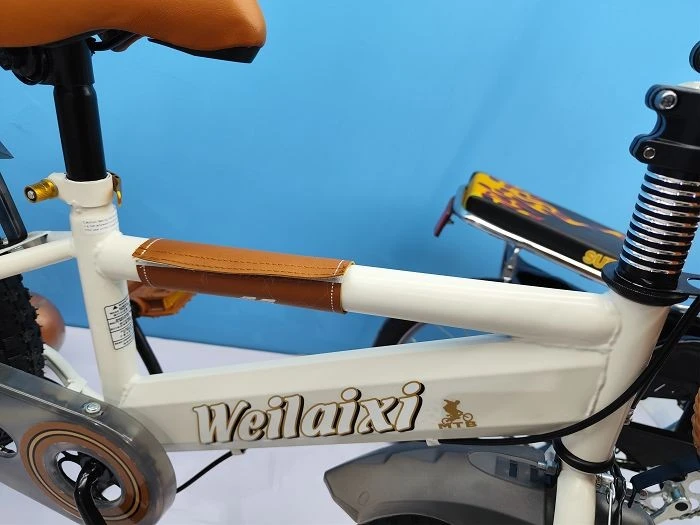
When children are ready to transition to a pedal - powered bike, the size of the bike becomes crucial. For 4 - 5 - year - olds, a Kids 12 Inch Bike is often a good fit. These bikes have smaller frames and wheels, making them more manageable for younger children.
As children grow older, typically around 6 - 10 years old, they may be ready for Youth Bikes. These bikes come in larger sizes and may have additional features such as gears and hand brakes. Youth Bike With Gears are especially useful for older children who want to tackle more challenging terrain or go on longer rides.

Safety Considerations
Safety should always be the top priority when it comes to children riding bikes. Regardless of the age at which your child starts riding, it's essential to ensure they have the proper safety equipment. A well - fitting helmet is a must, as it can significantly reduce the risk of head injuries in case of an accident.
In addition to helmets, other safety gear such as knee and elbow pads can provide extra protection. It's also important to teach your child basic safety rules, such as riding on the right side of the road, using hand signals, and stopping at stop signs.
When choosing a bike for your child, make sure it is in good working condition. Check the brakes, tires, and gears regularly to ensure they are functioning properly.
Benefits of Starting at Different Ages
Starting your child on a bike at an early age, around 2 - 3 years old with a balance bike, has several benefits. It helps them develop balance, coordination, and gross motor skills from a young age. It also encourages an active lifestyle and a love for outdoor activities.
On the other hand, starting a bit later, around 5 - 7 years old, can also be advantageous. Older children may have an easier time learning the skills needed to ride a pedal - powered bike, and they may be more likely to understand and follow safety rules.
Making the Decision
Ultimately, the best age to start riding a children's bicycle depends on a combination of factors, including your child's physical development, cognitive and emotional maturity, and personal interests. As a parent, you know your child best. Observe their abilities, confidence levels, and enthusiasm for the activity.
If your child shows an interest in bikes and has the necessary physical and cognitive skills, it may be a good time to introduce them to a bike. Start with a balance bike if they are younger, and gradually transition to a pedal - powered bike as they grow and develop.
As a children's bicycle supplier, I'm here to help you find the right bike for your child at every stage of their development. Whether you're looking for a balance bike for a toddler or a high - quality youth bike with gears, I have a wide selection of products to meet your needs.
If you're interested in purchasing a children's bicycle or have any questions about choosing the right bike for your child, please feel free to reach out. We can discuss your child's specific requirements and help you make the best decision.
References
- American Academy of Pediatrics. (2019). Bicycle safety. Retrieved from [AAP official website].
- National Highway Traffic Safety Administration. (2020). Bicycle safety tips. Retrieved from [NHTSA official website].
- World Health Organization. (2018). Global status report on road safety. Retrieved from [WHO official website].