

What is the ideal gear ratio for mountain biking?
When it comes to mountain biking, one of the most crucial factors that often gets overlooked is the gear ratio. As a mountain bike supplier, I've seen firsthand how the right gear ratio can transform a rider's experience on the trails. So, what exactly is the ideal gear ratio for mountain biking? Let's dive in and explore this topic in detail.
Understanding Gear Ratio Basics
First things first, let's break down what gear ratio means. In simple terms, the gear ratio is the relationship between the number of teeth on the front chainring and the number of teeth on the rear cog. For example, if your front chainring has 30 teeth and your rear cog has 10 teeth, the gear ratio is 3:1. A higher gear ratio (like 4:1) means you'll cover more ground with each pedal stroke but will require more force to pedal. Conversely, a lower gear ratio (like 2:1) makes pedaling easier but you'll cover less distance per stroke.
Factors Influencing the Ideal Gear Ratio
There isn't a one - size - fits - all answer to the ideal gear ratio because several factors come into play.
Terrain
The type of terrain you'll be riding on is a major determinant. If you're tackling steep climbs, a lower gear ratio is your best friend. It allows you to spin the pedals more easily, which is crucial when you're fighting gravity. For instance, on a technical mountain trail with lots of ascents, a ratio around 1:1 or even lower can make the climb much more manageable.
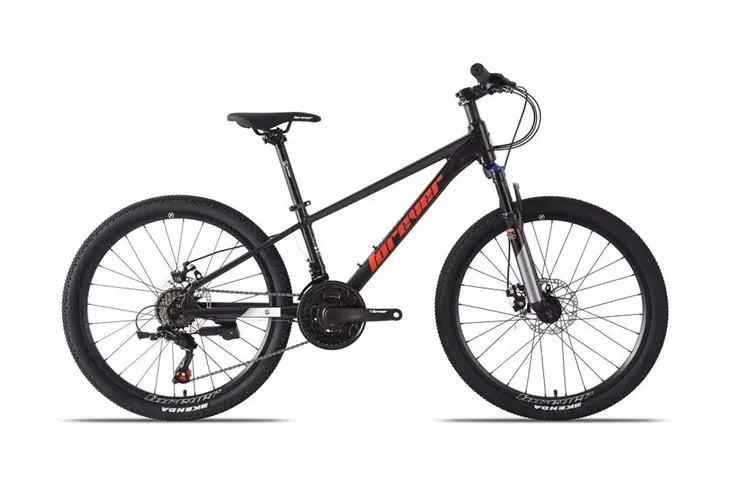
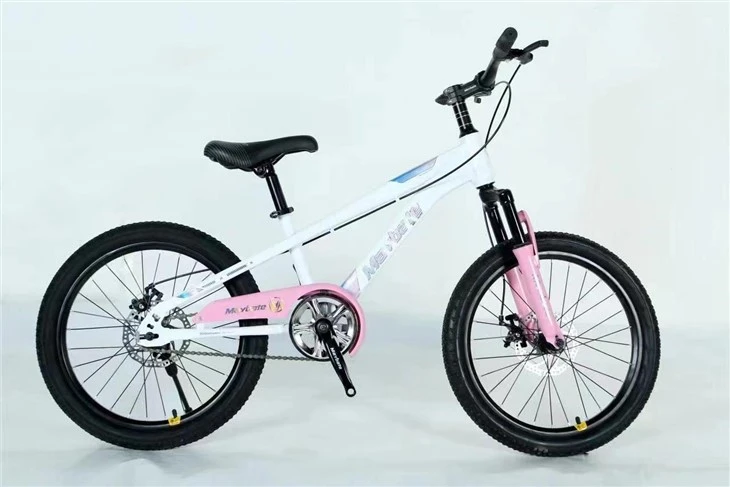
On the other hand, if you're riding on flat or downhill sections, a higher gear ratio will let you achieve greater speeds. You can use the momentum from the downhill to pedal faster and cover more distance. A ratio of 3:1 or higher might be ideal for these situations.
Rider's Fitness Level
Your physical strength and endurance also matter. A more experienced and fit rider can handle higher gear ratios for longer periods. They have the leg power to push through the resistance and maintain speed. Beginners, however, might find it easier to start with lower gear ratios until they build up their leg strength and cycling skills. That's why we offer a great selection of Best Beginner Mountain Bike that are well - suited for those just getting into the sport.
Riding Style
Are you a cross - country rider who likes to cover long distances quickly, or a downhill enthusiast who focuses on speed and thrill? Cross - country riders typically need a good balance of gears to handle different terrains efficiently. They might prefer a wide range of gear ratios, from lower ones for climbs to higher ones for flats and descents.
Downhill riders, on the other hand, rely more on gravity and usually need fewer gears. They often use higher gear ratios to maintain speed during the fast descents.
Common Gear Ratio Setups
Let's look at some common gear ratio setups and when they're most useful.
Single - Chainring Setups
Single - chainring drivetrains have become increasingly popular in recent years. They offer simplicity and less maintenance. A common single - chainring setup for mountain bikes might have a 34 - tooth chainring paired with a wide - range cassette in the rear, say with a smallest cog of 10 teeth and a largest of 50 teeth. This gives a good range of gear ratios from around 0.68:1 (34/50) for easy climbs to 3.4:1 (34/10) for faster riding on flat or downhill sections. Our Trail Mountain Bike for Adults often come with single - chainring setups that are great for a variety of trail conditions.
Double - Chainring Setups
Double - chainring setups were more common in the past. They typically have a large and a small chainring in the front, for example, a 36 - tooth and a 22 - tooth chainring. Paired with a rear cassette, this gives a wider range of gear ratios. The smaller chainring provides lower gear ratios for steep climbs, while the larger one is for higher speeds on flatter terrain.
Triple - Chainring Setups
Triple - chainring setups offer the widest range of gear ratios. They have three chainrings in the front, usually with tooth counts like 44, 32, and 22. This setup is great for riders who encounter a wide variety of terrains, including very steep climbs and high - speed descents. However, they are a bit more complex and require more maintenance. Our Mountain Bike for Man are available in different chainring configurations to suit different riding needs.
Finding Your Ideal Gear Ratio
So, how do you figure out the ideal gear ratio for you? The best way is through trial and error. Start by riding your bike on different terrains and paying attention to how each gear feels. If you find yourself struggling to pedal on climbs, you might need a lower gear ratio. If you feel like you're spinning too fast on flats or descents without gaining much speed, a higher gear ratio could be the answer.
You can also consult with other experienced mountain bikers or visit a local bike shop. They can offer valuable insights based on their own experiences and knowledge.
Why We're the Right Supplier for Your Mountain Bike Gear Ratio Needs
As a mountain bike supplier, we understand that getting the right gear ratio is essential for a great riding experience. That's why we offer a wide range of mountain bikes with different gear ratio setups. Whether you're a beginner looking for an easy - to - use setup or an experienced rider in need of a high - performance configuration, we've got you covered.
Our team of experts is always on hand to help you choose the right bike and gear ratio for your specific needs. We believe in providing quality products and excellent customer service, so you can ride with confidence knowing that you have the best equipment.
If you're interested in exploring our mountain bike options or have any questions about gear ratios, we'd love to hear from you. Reach out to us today to start a purchase discussion and find the perfect mountain bike for your adventures on the trails. We're here to make your mountain biking dreams a reality!
References
- "Bicycling Science" by David Gordon Wilson
- "Mountain Biking: Skills and Techniques" by Glenn Koch