

What is the recommended way to teach a child to use a doll pram walker?
Hey there! As a supplier of Doll Pram Walkers, I've seen firsthand how these nifty little toys can be a game - changer for both kids and parents. Today, I'm gonna share with you the recommended way to teach a child to use a doll pram walker.
Why a Doll Pram Walker?
First off, let's talk about why a doll pram walker is such a great choice. It's not just a toy; it's a tool for development. When a child uses a doll pram walker, they're working on their balance, coordination, and motor skills. They get to pretend they're taking their doll for a stroll, which also boosts their imagination and social skills. It's like a multi - purpose plaything that grows with your child.
Getting Started
Age and Readiness
Before you introduce your child to the doll pram walker, it's important to make sure they're ready. Most kids start showing interest in walking between 9 and 12 months. You'll notice signs like pulling themselves up to stand, cruising along furniture, or taking a few wobbly steps while holding onto something. If your little one is around this age and showing these signs, they're probably a good candidate for a doll pram walker. You can check out some Walking Toys For 9 Month Old on our website for more options.
Setting Up the Environment
The environment plays a huge role in your child's learning experience. Clear a safe, open space in your home, free of any sharp objects, slippery floors, or obstacles. A soft carpeted area is ideal, as it provides some cushioning in case your child takes a tumble. You can also place some of your child's favorite toys at the end of the walking area to give them an incentive to move forward.
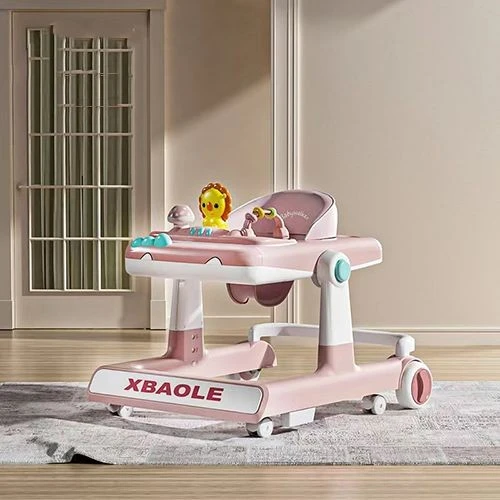
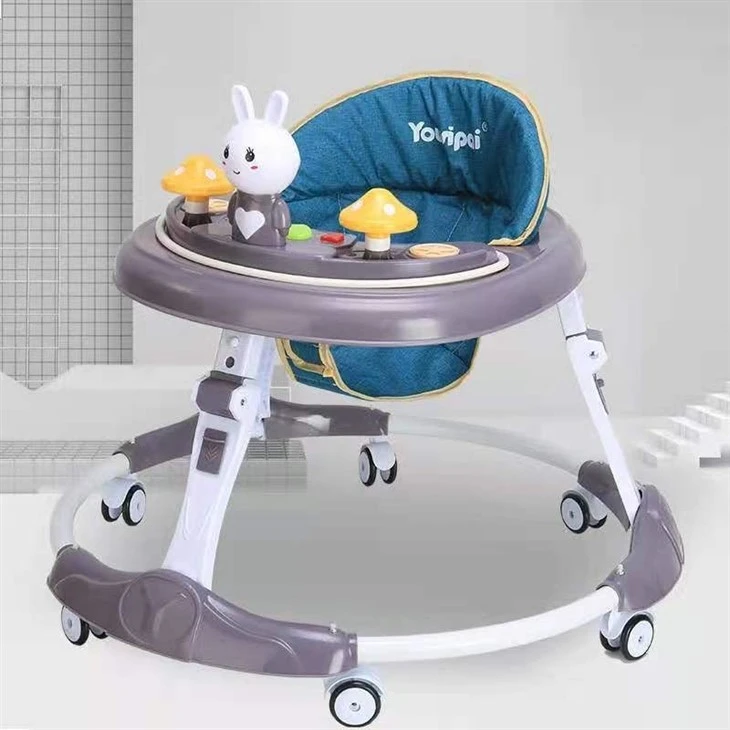
Familiarizing Your Child with the Walker
Let your child get used to the doll pram walker before they start using it to walk. Let them sit near it, touch it, and play with the doll that comes with it. This helps them build a positive association with the walker. You can also demonstrate how to push the walker gently by walking around with it yourself. Make it fun by making silly noises or singing a song as you push the walker.
Teaching the Basics
Standing and Holding
Once your child is comfortable with the walker, help them stand up next to it. Make sure they can reach the handle easily. Hold their hands and guide them to hold onto the handle firmly. Encourage them to stand independently for a few seconds while holding the walker. Praise them with lots of "good jobs" and hugs when they manage to do it.
Taking the First Steps
Now comes the exciting part - taking the first steps. Stand behind your child and hold onto their waist gently. Help them take a step forward by moving the walker slightly ahead. Let your child feel the movement and the support of the walker. Gradually, as they get more confident, start to let go a little bit, but always be ready to catch them if they lose their balance.
Pushing the Walker
As your child gets better at taking steps, teach them how to push the walker on their own. Show them how to use their hands to move the walker forward. You can give them a little nudge to start, and then let them take over. It might take a few tries, but once they get the hang of it, they'll be pushing that walker all over the place.
Safety First
Supervision
No matter how confident your child seems, never leave them unattended while using the doll pram walker. Accidents can happen in a split second, so always keep an eye on them.
Adjusting the Height
Make sure the handle of the doll pram walker is at the right height for your child. If it's too high, they'll have to stretch and might lose their balance. If it's too low, they'll have to hunch over, which can be uncomfortable. Most doll pram walkers are adjustable, so you can customize the height as your child grows.
Checking for Wear and Tear
Regularly inspect the doll pram walker for any signs of damage, such as loose parts, broken wheels, or frayed straps. If you find any issues, stop using the walker immediately and either repair it or replace it.
Encouraging Progress
Celebrating Milestones
Every little step (literally!) your child takes is a big deal. Celebrate their milestones, whether it's taking their first independent step, walking a few feet on their own, or pushing the walker around a corner. You can give them a small treat, like a sticker or a piece of fruit, or just give them lots of love and praise.
Making it a Game
Turn walking with the doll pram walker into a game. You can play "follow the leader," where you walk around the room with the walker and your child follows you. Or you can set up an obstacle course with pillows and stuffed animals and encourage your child to navigate through it with the walker.
Social Interaction
Let your child walk with the doll pram walker around other kids of a similar age. This not only adds an element of fun but also helps them learn from each other. They might see how another child is using the walker differently and pick up some new skills.
When to Move On
As your child gets more proficient at walking, they might start to outgrow the doll pram walker. You'll know it's time to move on when they're walking confidently without the need for support, or when they seem bored with the walker. At this point, you can consider other types of Infant Walker with Wheels or Infant Walker options that can offer more challenges and features.
Conclusion
Teaching a child to use a doll pram walker is a rewarding experience. It's a great way to help them develop important skills while having fun at the same time. By following these steps and keeping safety in mind, you can ensure that your child has a positive and successful learning experience.
If you're interested in purchasing a high - quality doll pram walker for your little one or have any questions about our products, feel free to reach out. We're always here to assist you in making the best choice for your child.
References
- American Academy of Pediatrics. (2023). Guidelines for Safe Infant and Toddler Play.
- National Institute of Child Health and Human Development. (2023). Motor Skills Development in Infants.