

What is the weight limit of an infant walker?
Hey there, fellow parents and caregivers! As a supplier of infant walkers, I often get asked about the weight limit of these nifty little devices. It's a crucial question because ensuring the safety and comfort of our little ones is always the top priority. So, let's dive right into what the weight limit of an infant walker really means and why it matters.
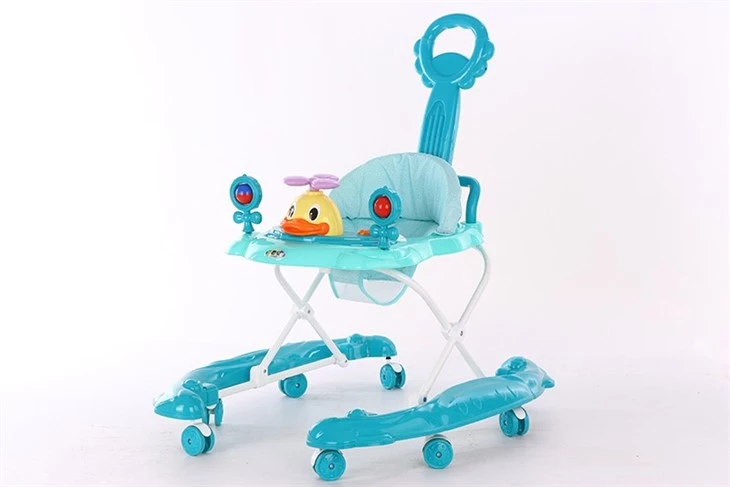
First off, what exactly is an infant walker? Well, it's a contraption designed to help babies move around independently before they've fully mastered the art of walking. It usually consists of a seat suspended in a frame with wheels, allowing the baby to push themselves around using their feet. There are different types of infant walkers out there, like the Pushchair Walker, Walker Stroller, and Bouncer With Wheels. Each type may have slightly different features and weight limits, so it's important to pay attention to the specific product you're considering.
Now, let's talk about why weight limits exist in the first place. You see, infant walkers are engineered to support a certain amount of weight safely. If a baby exceeds the recommended weight limit, it can put extra stress on the wheels, frame, and other components of the walker. This can lead to a higher risk of the walker tipping over, breaking down, or malfunctioning, which is obviously not something we want for our precious little ones.
So, what is the typical weight limit for an infant walker? Well, most standard infant walkers have a weight limit ranging from 15 to 25 pounds (about 6.8 to 11.3 kilograms). However, this can vary depending on the brand, model, and design of the walker. Some high - end or heavy - duty models may be able to support up to 30 pounds (about 13.6 kilograms) or more. It's always a good idea to check the product manual or label for the exact weight limit of the walker you're interested in.
When it comes to choosing the right infant walker based on weight, there are a few things to keep in mind. First, consider your baby's current weight and growth rate. If your baby is on the heavier side or growing quickly, you might want to opt for a walker with a higher weight limit. This way, you can ensure that the walker will be suitable for your baby for a longer period of time.
Another factor to consider is the age of your baby. In general, infants start using walkers around 4 to 6 months of age, when they can sit up with some support. However, it's important to note that the American Academy of Pediatrics (AAP) recommends against using infant walkers because they can pose a safety risk, such as falls down stairs or getting into dangerous situations. But if you still decide to use one, make sure your baby meets the age and weight requirements.
Let's take a closer look at how weight affects the performance of an infant walker. When a baby is within the recommended weight limit, the walker should roll smoothly and easily. The wheels should be able to handle the weight without getting stuck or wobbling. The frame should also remain stable and sturdy, providing a safe and comfortable environment for the baby to move around in.
On the other hand, if a baby is over the weight limit, the wheels may start to drag or have difficulty turning. The frame may become bent or weakened over time, which can compromise the stability of the walker. This can make it more difficult for the baby to move around freely and safely, and it can also increase the risk of an accident.
In addition to safety concerns, the weight limit can also affect the comfort of the baby. A walker that is too small or not designed to support the baby's weight properly can be uncomfortable for the baby to sit in for long periods of time. It may put pressure on the baby's legs, hips, or back, which can lead to discomfort or even pain.
So, how can you tell if your baby has reached the weight limit of their walker? Well, one obvious sign is if the walker starts to seem unstable or difficult to move. You may notice that the wheels are struggling to turn, or the frame is making strange noises. Another sign is if your baby looks uncomfortable or seems to be having a hard time maneuvering in the walker. If you notice any of these signs, it's probably time to retire the walker and look for a more suitable alternative.
As a supplier of infant walkers, I understand that parents want the best for their babies. That's why we always strive to provide high - quality products with clear and accurate weight limits. We also offer a wide range of options to meet the different needs and preferences of parents and babies. Whether you're looking for a basic, no - frills walker or a feature - packed model with all the bells and whistles, we've got you covered.
If you're in the market for an infant walker and have any questions about weight limits or other features, don't hesitate to reach out to us. We're here to help you make an informed decision and find the perfect walker for your little one. Our team of experts can provide you with all the information you need and offer personalized advice based on your baby's specific needs.
In conclusion, the weight limit of an infant walker is an important consideration when choosing a product for your baby. By paying attention to the weight limit, you can ensure the safety, comfort, and performance of the walker. Remember to check the product manual, consider your baby's weight and growth rate, and choose a walker that is suitable for your baby's needs. And if you have any further questions or are interested in purchasing an infant walker, we'd love to talk to you. Just get in touch, and we'll be happy to assist you with your procurement needs.
References

- American Academy of Pediatrics. (General safety guidelines related to infant products)
- Various product manuals and labels of infant walkers.