

Which is more durable, plastic or wooden kids slides?
When it comes to choosing a kids' slide for your little ones, one of the most pressing questions is: which is more durable, plastic or wooden kids' slides? As a seasoned kids' slide supplier, I've seen firsthand the pros and cons of both materials, and I'm here to share my insights to help you make an informed decision.
Durability of Plastic Kids' Slides
Plastic slides have become increasingly popular in recent years, and for good reason. One of the primary advantages of plastic is its resistance to the elements. Unlike wood, plastic does not rot, warp, or crack when exposed to moisture. This makes plastic slides an excellent choice for outdoor use, where they may be subjected to rain, snow, and humidity.
Modern plastic slides are typically made from high - density polyethylene (HDPE), a strong and durable thermoplastic. HDPE is known for its impact resistance, which means that it can withstand the rough and tumble play of children without easily breaking or chipping. Even if a child accidentally bumps into the slide or lands on it with some force, the plastic is likely to remain intact.
Another benefit of plastic slides is their low maintenance requirements. They can be easily cleaned with a mild soap and water solution, and they do not require regular staining or sealing like wooden slides. This makes them a convenient option for busy parents who don't have a lot of time to devote to upkeep.
However, plastic slides are not without their drawbacks. Over time, exposure to sunlight can cause the plastic to fade and become brittle. UV rays can break down the chemical bonds in the plastic, leading to a loss of strength and flexibility. Additionally, extreme temperatures can affect the performance of plastic slides. In very cold weather, the plastic may become more rigid and prone to cracking, while in hot weather, it can become soft and sticky.
Durability of Wooden Kids' Slides
Wooden slides have a classic and natural appeal that many parents find attractive. They can add a touch of rustic charm to any backyard or playroom. When it comes to durability, high - quality wood can last for decades if properly maintained.
Hardwoods such as cedar, redwood, and teak are commonly used in the construction of wooden slides. These woods are naturally resistant to rot, decay, and insect damage. Cedar, for example, contains natural oils that act as a preservative, making it a popular choice for outdoor structures.
Wood is also a strong and sturdy material. It can support the weight of multiple children at once without bending or breaking. A well - built wooden slide can provide a smooth and reliable sliding surface for years to come.
However, wooden slides require more maintenance than plastic slides. They need to be stained or sealed regularly to protect them from the elements. If the protective coating wears off, the wood can absorb moisture, leading to rot and decay. Additionally, wooden slides may be more susceptible to damage from insects, such as termites and carpenter ants, if not properly treated.
Comparing the Long - Term Durability
In terms of long - term durability, the choice between plastic and wooden slides depends on several factors, including the intended use, location, and budget.
If you plan to use the slide outdoors and want a low - maintenance option, a plastic slide may be the better choice. It can withstand the elements without requiring a lot of upkeep, and it is less likely to be damaged by moisture and insects. However, you may need to replace the slide every 10 - 15 years due to the effects of UV exposure and temperature changes.
On the other hand, if you prefer a natural look and are willing to invest the time and money in maintenance, a wooden slide can be a long - lasting option. With proper care, a wooden slide can last for 20 years or more. It can also be refinished or repaired if it becomes damaged, which can extend its lifespan even further.
Other Considerations
In addition to durability, there are other factors to consider when choosing between plastic and wooden kids' slides.
Safety: Both plastic and wooden slides can be safe if they are designed and manufactured to meet safety standards. However, plastic slides may have a smoother surface, which can reduce the risk of splinters and abrasions. Wooden slides, on the other hand, may require more careful sanding and finishing to ensure a safe playing surface.
Aesthetics: The aesthetic appeal of the slide is also an important consideration. Plastic slides come in a variety of colors and styles, and they can be easily customized to fit the decor of your playroom or backyard. Wooden slides have a warm and natural look that can blend in well with outdoor surroundings.
Cost: Plastic slides are generally more affordable than wooden slides. They are also less expensive to maintain over time. However, if you are looking for a high - end, custom - made slide, a wooden slide may be worth the investment.
Our Product Range
As a kids' slide supplier, we offer a wide range of Toddler Indoor Slide, Children Indoor Slide, and Indoor Slides Kids. Our plastic slides are made from high - quality HDPE, ensuring durability and safety. We also have wooden slides crafted from premium hardwoods, which are built to last with proper care.
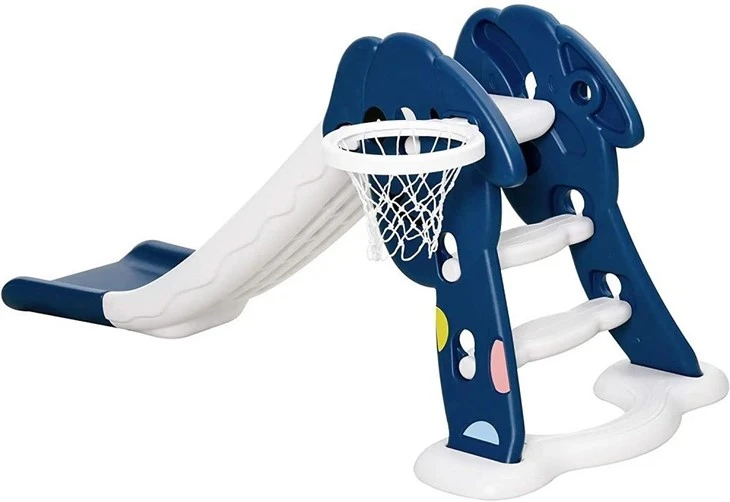
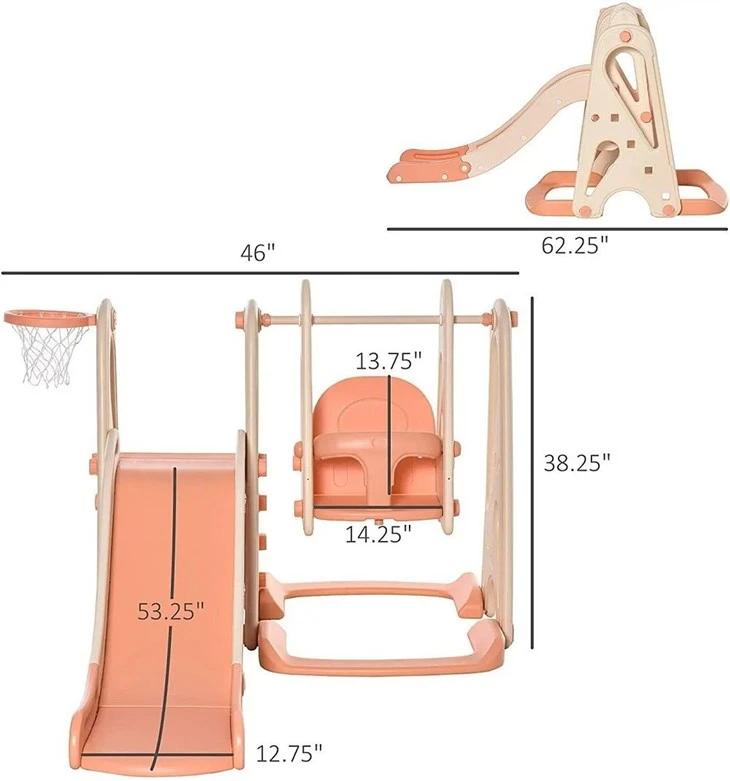
Whether you choose a plastic or wooden slide, we are committed to providing you with a product that meets your needs and exceeds your expectations. Our team of experts can help you select the right slide for your children based on their age, size, and play preferences.
Contact Us for Purchase and Negotiation
If you are interested in purchasing a kids' slide for your little ones, we invite you to get in touch with us. We are happy to answer any questions you may have and provide you with a detailed quote. Our goal is to help you create a fun and safe play environment for your children. Don't hesitate to reach out to us to start the conversation about finding the perfect kids' slide.
References
- "Materials and Their Properties" by John E. Gordon. This book provides a comprehensive overview of different materials, including plastics and woods, and their physical properties.
- "Outdoor Play Equipment Safety Handbook" published by the Consumer Product Safety Commission. It offers valuable information on the safety and durability requirements for kids' play equipment.
- Industry research reports on the manufacturing and performance of plastic and wooden kids' slides, which provide insights into the latest trends and technologies in the field.