

How long can a baby stay in a playpen?
Hey there, fellow parents and caregivers! As a supplier of high - quality baby playpens, I've gotten a ton of questions over the years about how long a baby can stay in a playpen. It's a super important topic, and I'm here to share some insights based on what I've learned from experts and my own experience in the baby product industry.
First off, let's talk about what a playpen is and why it's useful. A playpen is a great tool for giving your baby a safe, contained space to play and explore. It keeps them away from potential hazards around the house, like sharp corners, electrical cords, or breakable items. And it gives you a little peace of mind, knowing your little one is in a secure area while you take care of other things.
Now, to answer the big question: how long can a baby stay in a playpen? Well, there's no one - size - fits - all answer. It depends on a few different factors, like your baby's age, development, and personality.
For newborns and very young infants (0 - 3 months), playpens aren't really necessary at this stage. Newborns spend most of their time sleeping, eating, and being held. They need a lot of physical contact and stimulation from their parents. So, if you're using a playpen for a newborn, it should be for very short periods, maybe just 10 - 15 minutes at a time, and only when you're right nearby.
As your baby grows into the 3 - 6 - month range, they start to become more active and aware of their surroundings. They might start rolling over, reaching for toys, and making more noise. At this point, you can gradually increase the time your baby spends in the playpen. But it's still important not to overdo it. Aim for 30 minutes to an hour a day, broken up into shorter sessions. This gives your baby a chance to play independently, but also ensures they get enough interaction with you.
When your baby hits 6 - 12 months, they're really on the move. They might be sitting up, crawling, or even starting to pull themselves up. At this age, a playpen can be a great place for them to practice these new skills. You can fill the playpen with toys, books, and soft mats to keep them entertained. You can increase the time to 1 - 2 hours a day, but make sure to check on them regularly. Babies at this age can get into all sorts of trouble, even in a playpen.
Once your baby is over 12 months old, they're becoming more independent and curious. They might be walking or running around. You can allow them to spend 2 - 3 hours a day in the playpen, as long as they're engaged with the toys and activities inside. But remember, even at this age, they still need plenty of time outside the playpen for social interaction, physical exercise, and exploration of the wider world.
It's also important to note that these are just general guidelines. Every baby is different. Some babies might be perfectly happy spending more time in the playpen, while others might get fussy after just a few minutes. You know your baby best, so pay attention to their cues. If they seem bored, frustrated, or start crying, it's probably time to take them out of the playpen and give them some one - on - one attention.
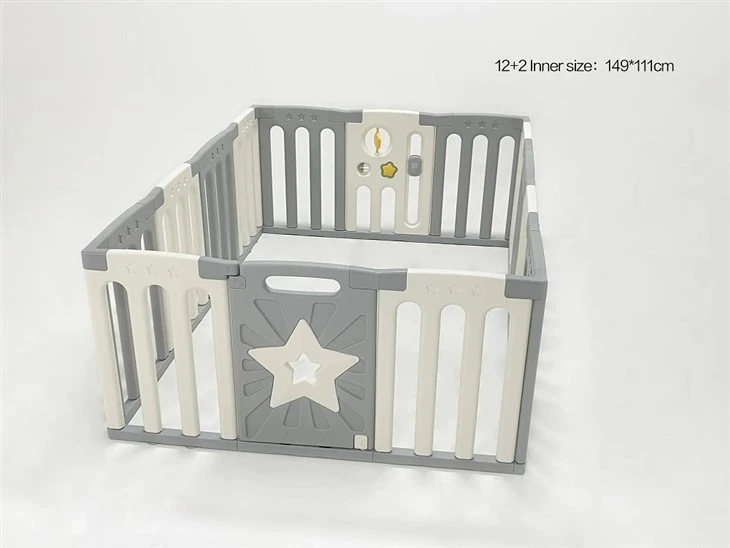
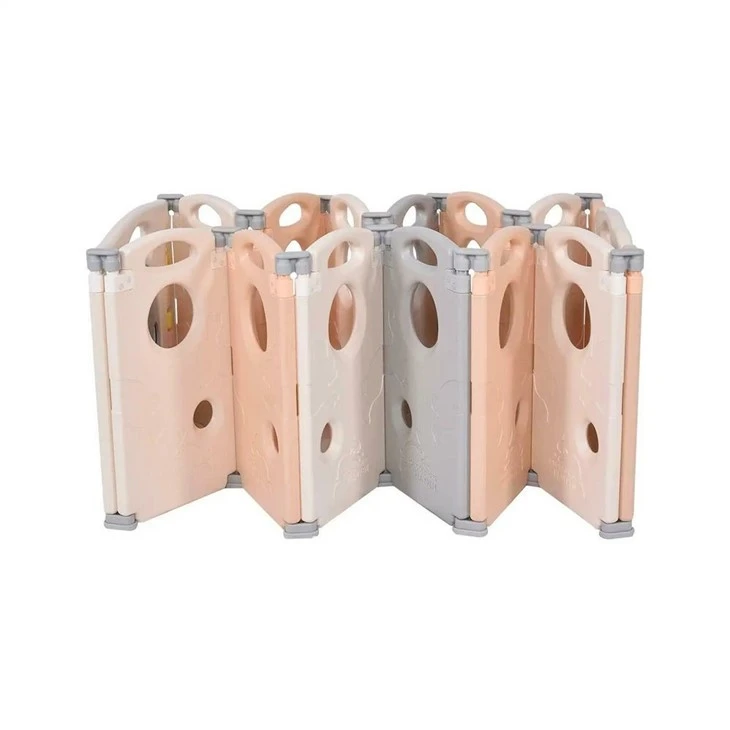
Now, let's talk about the importance of choosing the right playpen. At our company, we offer a wide range of playpens to suit different needs and preferences. For example, our Infant Playpen Fence is perfect for younger babies. It's made of soft, safe materials and has a simple design that's easy to set up and take down.
If you're looking for a playpen for indoor use, our Indoor Play Fence is a great option. It's sturdy, has a large play area, and can be customized to fit different spaces in your home.
And for those who like a more stylish look, our Beige Playpen is a beautiful choice. It has a neutral color that will blend in well with any home decor.
In addition to choosing the right playpen, it's also important to make sure the playpen is set up correctly and safely. Always follow the manufacturer's instructions when assembling the playpen. Check for any loose parts or sharp edges regularly. And make sure the toys and items you put in the playpen are safe for your baby.
Another thing to keep in mind is that playpens should never be used as a substitute for proper supervision. Even if your baby is in a playpen, you should still be within earshot and check on them often. It's also a good idea to talk to your baby while they're in the playpen, sing songs, or read books to them. This helps keep them engaged and shows them that you're still there for them.
To sum it up, the amount of time a baby can stay in a playpen varies depending on their age and development. But it's always important to balance independent playtime in the playpen with plenty of interaction and physical activity outside of it.
If you're interested in purchasing a high - quality baby playpen for your little one, I'd love to talk to you. Whether you have questions about our products, need help choosing the right playpen, or want to discuss bulk orders, I'm here to assist. Don't hesitate to reach out to start a conversation about your playpen needs.
References:
- American Academy of Pediatrics. (2023). Safe Sleep for Babies.
- Parenting Magazine. (2022). The Ultimate Guide to Baby Playpens.