

How to adjust the suspension preload on a mountain bike?
Adjusting the suspension preload on a mountain bike is a crucial skill that every rider should master. As a leading mountain bike supplier, we understand the importance of proper suspension setup for an optimal riding experience. In this blog post, we'll guide you through the process of adjusting the suspension preload on your mountain bike, ensuring that you get the most out of your ride.
Understanding Suspension Preload
Before we dive into the adjustment process, it's essential to understand what suspension preload is and why it matters. Suspension preload refers to the initial amount of compression applied to the suspension springs when the bike is at rest. By adjusting the preload, you can fine-tune the suspension to match your weight, riding style, and terrain conditions.
A proper preload setting ensures that the suspension operates within its optimal range, providing better traction, control, and comfort. If the preload is too low, the suspension may bottom out easily, resulting in a harsh ride and reduced control. On the other hand, if the preload is too high, the suspension may not compress enough, leading to a lack of traction and a less comfortable ride.
Tools You'll Need
To adjust the suspension preload on your mountain bike, you'll need a few basic tools:
- Suspension pump: This is used to adjust the air pressure in the fork and shock, if your bike has air suspension.
- Allen wrenches: These are used to adjust the preload rings or collars on coil-spring suspension systems.
- Tape measure or ruler: This is used to measure the sag, which is the amount the suspension compresses under your weight.
Step-by-Step Guide to Adjusting Suspension Preload
Now that you have a basic understanding of suspension preload and the tools you'll need, let's walk through the step-by-step process of adjusting the preload on your mountain bike.
Step 1: Determine Your Sag
The first step in adjusting the suspension preload is to determine your sag. Sag is the amount the suspension compresses under your weight when you're sitting on the bike in your normal riding position. A proper sag setting ensures that the suspension operates within its optimal range and provides the best performance.
To measure your sag:
- Set the preload on your fork and shock to the manufacturer's recommended settings.
- Put on your riding gear and sit on the bike in your normal riding position. Make sure your feet are on the pedals and your weight is evenly distributed.
- Have a friend or use a mirror to measure the distance between a fixed point on the fork (such as the top of the stanchion) and a corresponding point on the lower part of the fork. This is your static sag.
- Now, bounce up and down on the bike a few times to settle the suspension. Then, measure the distance again. This is your dynamic sag.
- Subtract the dynamic sag from the static sag to get your sag percentage. For most mountain bikes, the recommended sag percentage is between 25% and 35% for the fork and 30% and 40% for the shock.
Step 2: Adjust the Preload
Once you've determined your sag, it's time to adjust the preload on your fork and shock to achieve the recommended sag percentage.
Air Suspension
If your bike has air suspension, you'll need to use a suspension pump to adjust the air pressure in the fork and shock.
- Fork: Locate the air valve on the top of the fork leg. Use the suspension pump to add or remove air pressure until you achieve the recommended sag percentage. Make small adjustments and re-measure the sag after each adjustment.
- Shock: Locate the air valve on the shock body. Use the suspension pump to add or remove air pressure until you achieve the recommended sag percentage. Again, make small adjustments and re-measure the sag after each adjustment.
Coil-Spring Suspension
If your bike has coil-spring suspension, you'll need to use an Allen wrench to adjust the preload rings or collars on the fork and shock.
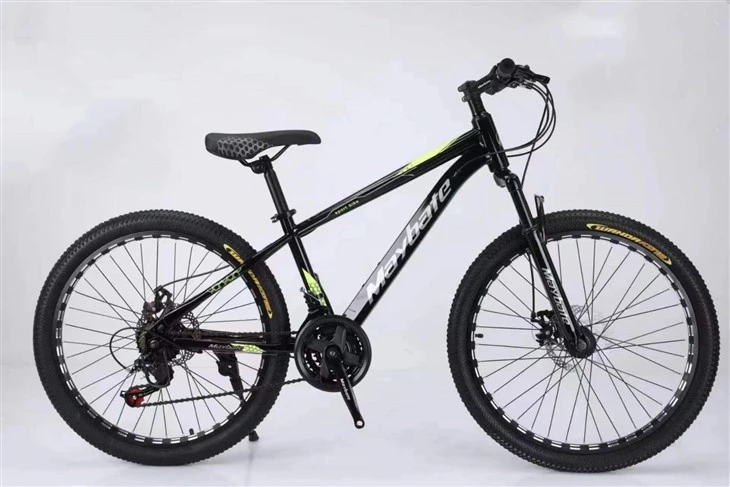

- Fork: Locate the preload adjustment ring or collar on the top of the fork leg. Use the Allen wrench to turn the ring or collar clockwise to increase the preload or counterclockwise to decrease the preload. Make small adjustments and re-measure the sag after each adjustment.
- Shock: Locate the preload adjustment ring or collar on the shock body. Use the Allen wrench to turn the ring or collar clockwise to increase the preload or counterclockwise to decrease the preload. Make small adjustments and re-measure the sag after each adjustment.
Step 3: Fine-Tune the Suspension
Once you've achieved the recommended sag percentage, it's time to fine-tune the suspension to suit your riding style and terrain conditions.
- Compression damping: This controls how quickly the suspension compresses when you hit a bump. Adjust the compression damping to a setting that provides a smooth and controlled ride.
- Rebound damping: This controls how quickly the suspension returns to its original position after compressing. Adjust the rebound damping to a setting that allows the suspension to recover quickly without bouncing too much.
Tips for Adjusting Suspension Preload
- Start with the manufacturer's recommended settings: This is a good starting point for adjusting the suspension preload. You can then make small adjustments based on your weight, riding style, and terrain conditions.
- Make small adjustments: When adjusting the preload, make small adjustments and re-measure the sag after each adjustment. This will help you achieve the desired sag percentage without overshooting.
- Test the suspension: After making any adjustments to the suspension, take the bike for a test ride to see how it performs. Pay attention to how the suspension feels and how it responds to bumps and obstacles.
- Seek professional help if needed: If you're unsure how to adjust the suspension preload or if you're having trouble achieving the recommended sag percentage, seek the help of a professional bike mechanic.
Conclusion
Adjusting the suspension preload on your mountain bike is a crucial skill that can significantly improve your riding experience. By following the steps outlined in this blog post and using the tips provided, you can achieve the optimal sag percentage and fine-tune the suspension to suit your riding style and terrain conditions.
As a mountain bike supplier, we offer a wide range of high-quality mountain bikes and suspension components. Whether you're a beginner or an experienced rider, we have the perfect bike for you. Check out our selection of Best Beginner Mountain Bike, Men and Women Mountain Bike, and Best Mtb Bikes to find the perfect ride for your next adventure.
If you have any questions or need further assistance with adjusting the suspension preload on your mountain bike, please don't hesitate to contact us. We're here to help you get the most out of your ride.
References
- "Mountain Bike Suspension Setup Guide." Pinkbike.
- "How to Set Up Your Mountain Bike Suspension." Trailforks.
- "Suspension Setup 101: How to Set Sag, Compression, and Rebound." Niner Bikes.