

How much does an infant walker cost?
When it comes to outfitting your little one with the essentials for their early mobility and development, an infant walker is often a top consideration for many parents. As a trusted infant walker supplier, I understand the importance of providing high - quality products at reasonable prices. In this blog, we'll delve into the factors that influence the cost of an infant walker and give you a better understanding of what to expect when making this purchase.
Factors Affecting the Cost of Infant Walkers
1. Brand and Reputation
Well - known brands often come with a premium price tag. These brands have invested heavily in research, development, and quality control to ensure their products meet high safety and performance standards. Their reputation for reliability and innovation can justify the higher cost. For example, brands that have been in the market for decades and have a long - standing record of producing safe and durable baby products are likely to charge more for their infant walkers. On the other hand, lesser - known brands or generic products may offer a more budget - friendly option, but they may not have the same level of quality assurance.
2. Features and Design
The features of an infant walker can significantly impact its price. Basic walkers with simple designs and few additional features are generally more affordable. These may include a simple seat, a sturdy frame, and basic wheels. However, if you're looking for a walker with advanced features, such as adjustable height settings, built - in toys, music players, or activity trays, you can expect to pay more. For instance, a 6 Month Walker designed specifically for younger infants may have softer padding and a more ergonomic seat to support their developing bodies, which can add to the cost.
3. Material Quality
The materials used in the construction of an infant walker play a crucial role in determining its price. Walkers made from high - quality, durable materials like strong plastics, solid wood, or premium fabrics will cost more than those made from cheaper, lower - quality materials. High - quality materials not only ensure the longevity of the walker but also provide a safer environment for your baby. For example, a walker with a steel frame is likely to be more expensive than one with a plastic frame, but it will also be more stable and long - lasting.
4. Safety Standards
Safety is of utmost importance when it comes to infant products. Walkers that meet strict safety standards, such as those set by national and international regulatory bodies, are often more expensive. These walkers may have additional safety features like anti - tip mechanisms, non - slip wheels, and secure seat belts. Manufacturers invest in research and development to ensure their products comply with these safety regulations, and this cost is reflected in the price of the walker.
Price Range of Infant Walkers
1. Budget - Friendly Options
You can find basic infant walkers in the market for as low as $20 - $50. These walkers typically have a simple design and limited features. They are made from relatively inexpensive materials but still provide a functional solution for your baby's early mobility needs. While they may not have all the bells and whistles of more expensive models, they can be a great option if you're on a tight budget or if you only need a walker for a short period.
2. Mid - Range Options
Mid - range infant walkers usually cost between $50 - $100. These walkers offer a good balance between price and features. They may have adjustable height settings, a few built - in toys, and a more comfortable seat. The materials used in mid - range walkers are generally of better quality than budget - friendly options, providing more durability and safety. For example, a Wheeled Infant Walker in this price range may have smooth - rolling wheels and a sturdy frame.
3. High - End Options
High - end infant walkers can cost upwards of $100. These walkers are often packed with advanced features, such as multiple activity stations, high - quality sound systems, and adjustable speed settings. They are made from the finest materials and undergo rigorous safety testing. A Push And Sit Walker in the high - end category may offer a more interactive experience for your baby, with features designed to stimulate their cognitive and motor skills development.
Is It Worth Paying More?
The question of whether it's worth paying more for an infant walker depends on your individual circumstances. If you have the budget and want the best for your baby, a high - end walker with all the latest features and top - notch safety standards may be the right choice. These walkers can provide a more enriching and comfortable experience for your little one. However, if you're on a tight budget or only need a walker for a short time, a budget - friendly or mid - range option can still serve the purpose.
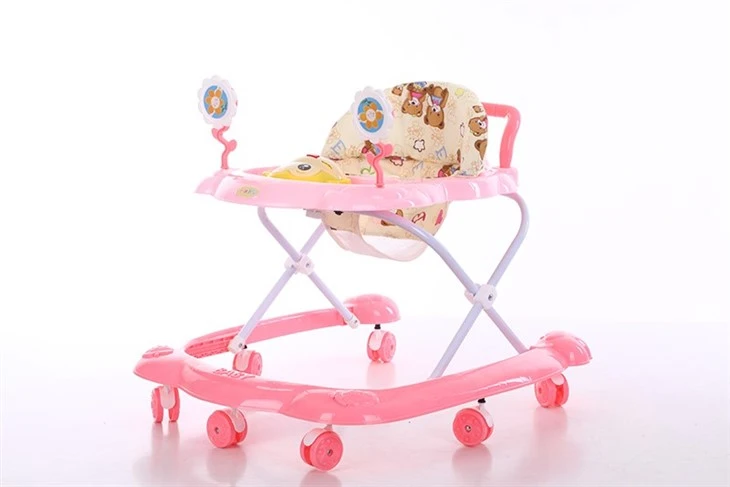

Our Offer as a Supplier
As an infant walker supplier, we offer a wide range of products to suit different budgets and needs. We understand that every parent wants the best for their baby, and we strive to provide high - quality walkers at competitive prices. Our products are carefully selected to meet strict safety standards, ensuring that your baby is protected while using our walkers. Whether you're looking for a basic, budget - friendly option or a high - end, feature - rich walker, we have something for you.
If you're interested in purchasing infant walkers for your store or for personal use, we invite you to contact us for a detailed discussion. We can provide you with more information about our products, pricing, and any special offers that may be available. Our team of experts is ready to assist you in finding the perfect infant walker solution that meets your requirements.
References
- American Academy of Pediatrics. (2019). Infant walkers and jumpers.
- Consumer Product Safety Commission. (2020). Safety standards for infant walkers.