

How to choose the right bike for me?
Choosing the right bike is a significant decision that can greatly enhance your cycling experience, whether you're a casual rider, a fitness enthusiast, or a parent looking for the perfect ride for your child. As a bike supplier, I understand the importance of making an informed choice. In this blog, I'll guide you through the key factors to consider when selecting a bike that suits your needs and preferences.
1. Determine Your Cycling Purpose
The first step in choosing the right bike is to identify your primary cycling purpose. Different bikes are designed for various activities, and understanding your intended use will narrow down your options.
- Commuting: If you plan to use your bike for daily commuting, consider a bike that offers comfort, durability, and practicality. Hybrid bikes are a popular choice for commuting as they combine the features of road bikes and mountain bikes. They have a comfortable riding position, wider tires for better stability on different surfaces, and often come with racks and fenders for carrying essentials and protecting you from dirt and water.
- Fitness and Exercise: For those looking to stay fit or engage in regular exercise, road bikes are an excellent option. Road bikes are lightweight, have narrow tires, and are designed for speed. They are ideal for long-distance rides and can help you build endurance and improve your cardiovascular health. If you prefer a more challenging workout, you might also consider a gravel bike, which can handle a variety of terrains, including dirt roads and gravel paths.
- Mountain Biking: If you're an adventurous soul who loves to explore off-road trails, a mountain bike is the way to go. Mountain bikes are built to withstand the rigors of rough terrain, with features such as suspension systems, wide tires with aggressive treads, and powerful brakes. There are different types of mountain bikes, including cross-country, trail, and downhill bikes, each designed for specific types of riding.
- Recreational Riding: If you simply want to enjoy a leisurely ride around the neighborhood or in the park, a cruiser bike or a beach cruiser might be the perfect fit. Cruiser bikes have a relaxed riding position, wide seats, and often come with stylish designs. They are easy to ride and offer a comfortable and enjoyable cycling experience.
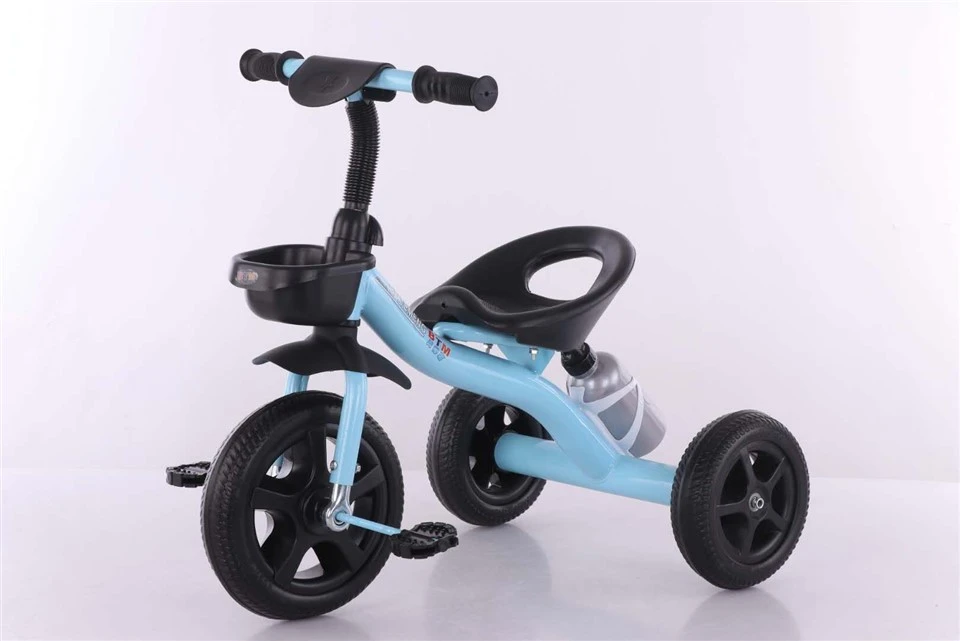
- Kids' Bikes: When choosing a bike for your child, consider their age, height, and skill level. Kids Tricycles Bicycle are a great option for toddlers and young children who are just learning to ride. They provide stability and balance, making it easier for kids to get the hang of cycling. As your child grows older, you can transition to a Baby Bicycle Child Tricycle or a regular kids' bike with training wheels.
2. Consider Your Body Size and Fit
A proper fit is crucial for a comfortable and enjoyable cycling experience. When choosing a bike, make sure it is the right size for your body. Here are some key measurements to consider:
- Frame Size: The frame size of a bike determines how comfortable you'll be while riding. To find the right frame size, measure your inseam (the distance from the crotch to the floor) and use a sizing chart provided by the bike manufacturer. Most bike manufacturers offer different frame sizes to accommodate riders of various heights.
- Standover Height: Standover height is the distance between the top tube of the bike frame and the ground when you're standing over the bike with your feet flat on the ground. It's important to have enough clearance to avoid hitting your crotch on the top tube when getting on and off the bike. A good rule of thumb is to have at least 1 - 2 inches of clearance between your crotch and the top tube.
- Reach and Stack: Reach refers to the horizontal distance from the bottom bracket (the point where the pedals attach to the frame) to the handlebars, while stack refers to the vertical distance from the bottom bracket to the top of the head tube (where the fork attaches to the frame). These measurements affect your riding position and comfort. A bike with a shorter reach and a higher stack will provide a more upright riding position, which is more comfortable for casual riders. A longer reach and a lower stack are typically found on road bikes and are designed for a more aerodynamic riding position.
3. Evaluate the Bike's Components
The components of a bike play a crucial role in its performance, durability, and overall quality. Here are some key components to consider:
- Frame Material: Bike frames are typically made from materials such as aluminum, carbon fiber, steel, or titanium. Each material has its own advantages and disadvantages. Aluminum frames are lightweight, affordable, and corrosion-resistant. Carbon fiber frames are extremely lightweight and offer excellent stiffness and shock absorption, but they are also more expensive. Steel frames are durable and provide a smooth ride, but they are heavier than aluminum and carbon fiber frames. Titanium frames are lightweight, strong, and corrosion-resistant, but they are also the most expensive option.
- Drivetrain: The drivetrain consists of the chain, gears, and derailleurs. A good drivetrain will provide smooth and reliable shifting, allowing you to easily adjust your gear ratio to suit different terrains and riding conditions. When choosing a bike, consider the number of gears and the quality of the drivetrain components. Higher-end bikes typically have more gears and better-quality drivetrains.
- Brakes: Brakes are one of the most important components of a bike, as they ensure your safety while riding. There are two main types of brakes: rim brakes and disc brakes. Rim brakes work by applying pressure to the rims of the wheels to slow down or stop the bike. Disc brakes, on the other hand, use a rotor attached to the wheel hub and calipers to apply pressure to the rotor. Disc brakes offer better stopping power, especially in wet or muddy conditions, and are less affected by rim wear.
- Suspension: If you're planning to ride off-road or on rough terrain, a bike with a suspension system can greatly improve your riding comfort and control. There are two main types of suspension: front suspension (also known as a fork) and full suspension (which includes both a front fork and a rear shock). Front suspension bikes are more affordable and lighter, while full suspension bikes offer better performance on rough terrain but are also more expensive and heavier.
4. Set Your Budget
Bikes come in a wide range of prices, from budget-friendly options to high-end models. When setting your budget, consider your cycling needs, how often you plan to ride, and how long you expect to keep the bike. While it's tempting to go for the cheapest option, investing in a quality bike can save you money in the long run by reducing the need for frequent repairs and replacements.
If you're on a tight budget, look for bikes that offer good value for money. Many bike manufacturers offer entry-level models that come with decent components and performance. You can also consider buying a used bike, which can be a cost-effective way to get a high-quality bike at a lower price. However, when buying a used bike, make sure to inspect it carefully for any signs of damage or wear.
5. Test Ride the Bike
Once you've narrowed down your options based on your cycling purpose, body size, components, and budget, it's time to test ride the bikes. A test ride is the best way to determine if a bike feels comfortable and suits your riding style. Here are some tips for a successful test ride:
- Choose a Suitable Location: Find a location where you can safely test ride the bike, such as a quiet street, a bike path, or a parking lot. Make sure the terrain is similar to the type of riding you plan to do.
- Adjust the Bike: Before you start riding, make sure the bike is properly adjusted to your body size. Adjust the seat height, handlebar position, and other components as needed to ensure a comfortable riding position.
- Ride for a Sufficient Time: Take your time to ride the bike and get a feel for it. Pay attention to how it handles, how easy it is to shift gears, and how comfortable the seat and handlebars are. Try riding at different speeds and on different terrains to test the bike's performance.
- Compare Different Bikes: If you're considering multiple bikes, try to test ride them back-to-back to compare their performance and comfort. This will help you make a more informed decision.
6. Consider Additional Features
In addition to the basic components, some bikes come with additional features that can enhance your cycling experience. Here are some features to consider:
- Accessories: Many bikes come with accessories such as racks, fenders, lights, and bells. These accessories can add convenience and functionality to your bike. Consider what accessories you might need and whether the bike comes with them or if you'll need to purchase them separately.
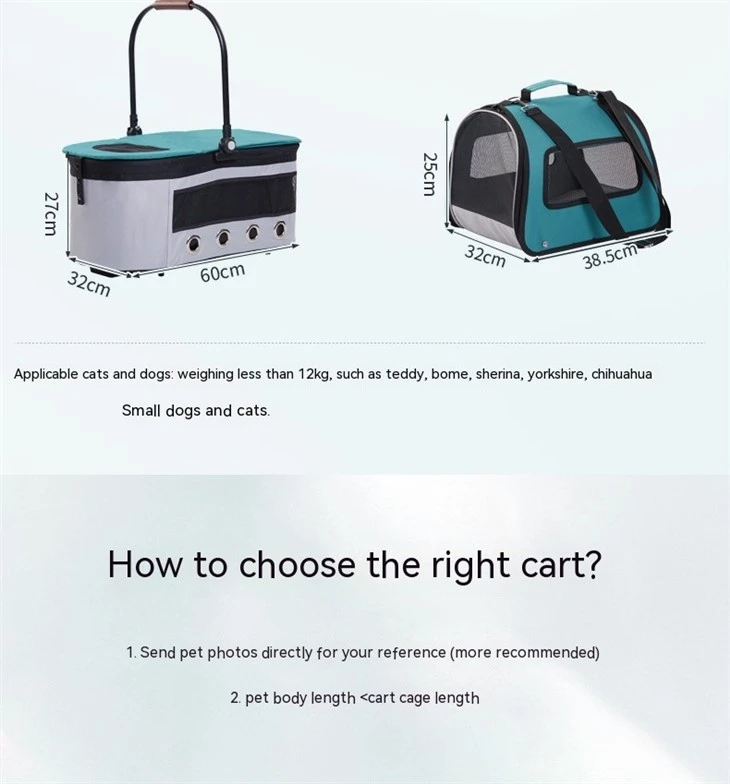
- Folding Bikes: If you need a bike that is easy to store and transport, a folding bike might be a good option. Folding bikes can be folded up quickly and easily, making them ideal for commuters who need to take their bike on public transportation or for people with limited storage space. Folding Pet Stroller is also an interesting option if you want to bring your furry friend along on your cycling adventures.
- Electric Bikes: Electric bikes, also known as e-bikes, are becoming increasingly popular. They come with a battery-powered motor that provides assistance when you pedal, making it easier to ride uphill or against the wind. E-bikes are a great option for people who want to enjoy cycling without the physical exertion, or for those who need a little extra help getting around.
Conclusion
Choosing the right bike is a personal decision that depends on your individual needs, preferences, and budget. By considering your cycling purpose, body size, components, budget, and additional features, and by test riding the bikes, you can find the perfect bike that will provide you with years of enjoyment and a great cycling experience.
If you're still unsure which bike is right for you, or if you have any questions about our bike products, please don't hesitate to contact us. We're here to help you make the best decision and find the bike that suits your needs. Whether you're a beginner or an experienced cyclist, we have a wide range of bikes to choose from, including Kids Tricycles Bicycle, Folding Pet Stroller, and Baby Bicycle Child Tricycle. Let's start this exciting cycling journey together!
References
- "Bicycling Magazine." A leading source of information on cycling, including bike reviews, buying guides, and cycling tips.
- "Sheldon Brown's Bicycle Glossary." An extensive online resource for bicycle terminology and technical information.
- "Park Tool Company." A well - known manufacturer of bicycle tools and accessories, with a wealth of information on bike maintenance and repair.