

How to ensure the stability of a kids slide?
As a seasoned supplier of kids slides, I understand the paramount importance of ensuring the stability of these play structures. Parents and caregivers trust us to provide a safe and enjoyable experience for their little ones, and stability is a cornerstone of that trust. In this blog post, I'll share some key strategies and considerations for ensuring the stability of kids slides.
1. Quality Materials Selection
The foundation of a stable kids slide starts with the materials used in its construction. High - quality, durable materials are essential to withstand the wear and tear of constant use by children. For the slide surface, materials like high - density polyethylene (HDPE) are a popular choice. HDPE is not only smooth, which allows for a fun sliding experience, but also strong and resistant to cracking and chipping.
When it comes to the frame of the slide, sturdy metals such as galvanized steel or aluminum are often used. Galvanized steel is coated with a layer of zinc, which protects it from rust and corrosion, making it suitable for both indoor and outdoor use. Aluminum, on the other hand, is lightweight yet strong, and it doesn't rust. This makes it a great option for portable or easy - to - assemble slides.
2. Proper Design and Engineering
A well - designed kids slide is engineered to distribute weight evenly. The shape and dimensions of the slide should be carefully calculated to ensure that it can support the weight of children of different sizes without tipping over. For example, the base of the slide should be wide enough to provide a stable foundation. A narrow base may make the slide more likely to tip during use.
The angle of the slide is also crucial. If the angle is too steep, children may slide down too quickly, increasing the risk of falls. If it's too shallow, the slide may not be fun or functional. A typical angle for a kids slide ranges from 25 to 35 degrees, which provides a good balance between speed and safety.
In addition, the joints and connections in the slide should be designed to be strong and secure. Bolts, screws, and welds should be of high quality and properly tightened or fused. For example, using self - locking nuts can prevent the connections from loosening over time due to the vibrations caused by children sliding.
3. Installation and Assembly
Correct installation and assembly are vital for the stability of a kids slide. Whether it's an indoor or outdoor slide, it should be installed on a flat and level surface. Uneven ground can cause the slide to tilt, increasing the risk of accidents. For outdoor slides, the ground should be compacted and free of rocks or other debris.
When assembling the slide, it's important to follow the manufacturer's instructions carefully. Each part should be installed in the correct order, and all fasteners should be tightened to the recommended torque. If possible, have a professional installer set up the slide, especially for larger or more complex models. This can ensure that the slide is assembled correctly and is stable from the start.
4. Regular Maintenance and Inspections
Even the most well - built kids slide requires regular maintenance to ensure its stability. Inspect the slide regularly for any signs of wear and tear, such as loose bolts, cracks in the slide surface, or rust on the frame. Tighten any loose fasteners and replace any damaged parts immediately.
Clean the slide regularly to remove dirt, debris, and any substances that could affect its stability or safety. For example, if there is a buildup of grease or moisture on the slide surface, it could make it slippery in an unexpected way, increasing the risk of falls.
5. Safety Features
Incorporating safety features can also contribute to the overall stability of a kids slide. For example, handrails on the sides of the slide can provide children with something to hold onto as they climb up and slide down. This can help them maintain their balance and reduce the likelihood of falling off the slide.
Another important safety feature is a stopping mechanism at the bottom of the slide. A soft landing area, such as a rubber mat or a padded surface, can absorb the impact when children reach the end of the slide. This not only protects the children from injury but also helps to prevent the slide from moving or shifting due to the force of the impact.
6. Testing and Certification
Before a kids slide is released to the market, it should undergo rigorous testing to ensure its stability and safety. Reputable manufacturers test their slides according to national and international safety standards, such as ASTM (American Society for Testing and Materials) or EN (European Norms). These tests simulate real - life use scenarios to ensure that the slide can withstand the expected forces and loads.
Certification from recognized testing organizations provides an extra layer of assurance for parents and customers. When purchasing a kids slide, look for products that have been certified to meet these safety standards.
At our company, we take pride in offering a wide range of high - quality kids slides that meet the highest standards of stability and safety. Our Kid Slide Toddler Slide for Kids with is designed with the latest safety features and made from durable materials. It's perfect for toddlers who are just starting to explore the fun of sliding.
For indoor play areas, our Children Indoor Slide is a great choice. It's easy to assemble and can be installed on a flat indoor surface, providing hours of entertainment for children. And if you're looking for a more comprehensive indoor play solution, our Indoor Slides Kids offer a variety of options to suit different spaces and needs.
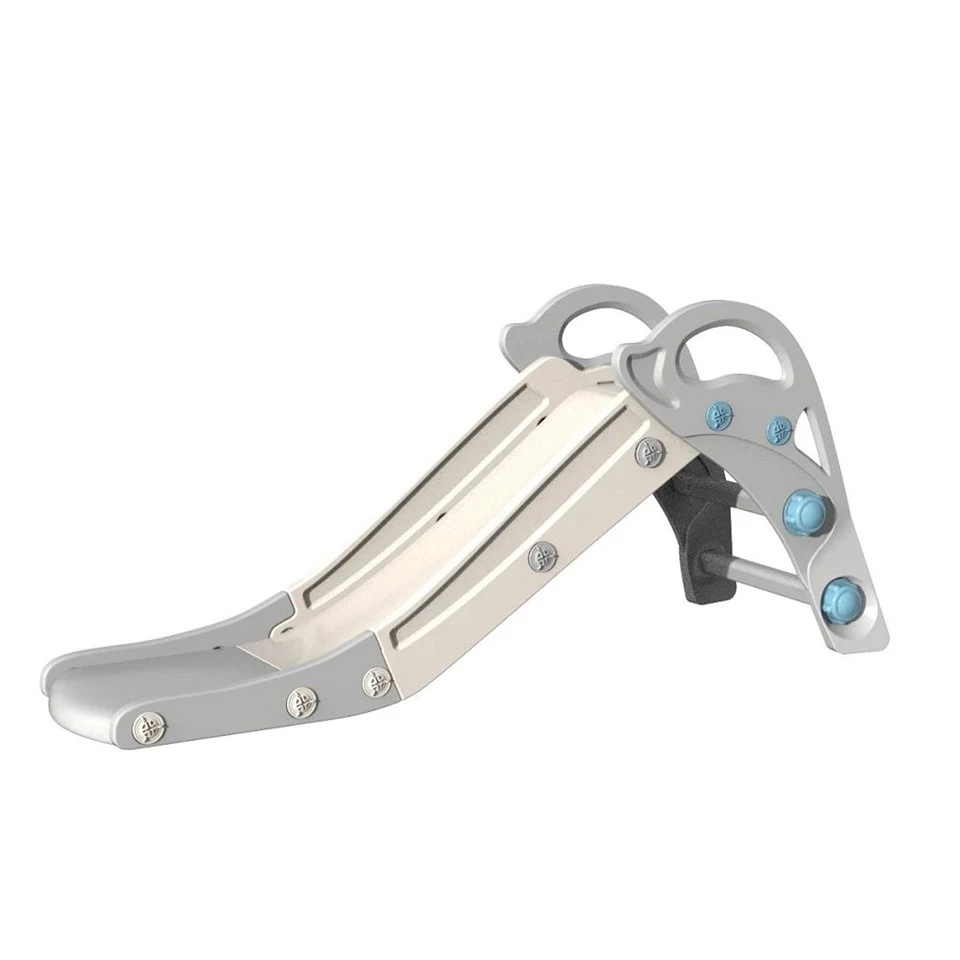
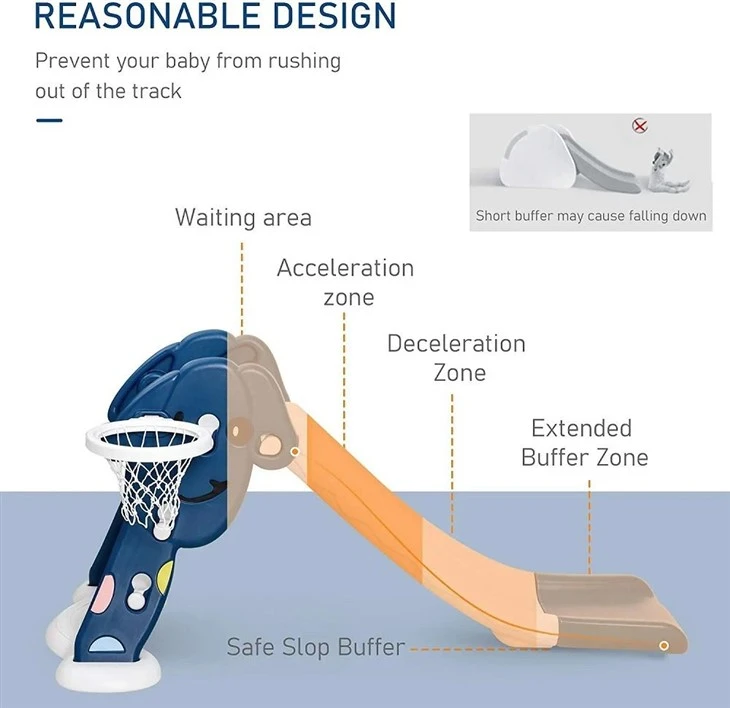
If you're interested in purchasing kids slides for your daycare, school, or home, we invite you to contact us for a detailed consultation. Our team of experts can help you choose the right slide for your specific requirements and ensure that it's installed and maintained properly. We are committed to providing you with the best products and services to ensure the safety and enjoyment of the children in your care.
References
- ASTM International. (2023). Standard consumer safety specification for playground equipment for public use.
- European Committee for Standardization. (2023). Safety of playground equipment and surfacing - Part 1: General safety requirements and test methods.