

How to protect a kids slide from rust?
As a trusted supplier of Kids Slides, I've seen firsthand the impact of rust on these beloved play items. Rust not only detracts from the aesthetic appeal of kids slides but also compromises their structural integrity, posing potential safety risks to children. In this blog post, I'll share some practical tips and strategies on how to protect a kids slide from rust, ensuring that it remains a safe and enjoyable play feature for years to come.
Understanding the Causes of Rust
Before diving into the prevention methods, it's essential to understand what causes rust in the first place. Rust is a form of corrosion that occurs when iron or steel comes into contact with oxygen and water. In the case of kids slides, exposure to moisture from rain, humidity, or spills can accelerate the rusting process. Additionally, scratches or chips in the slide's protective coating can expose the underlying metal to the elements, making it more susceptible to rust.
Choose the Right Materials
One of the most effective ways to prevent rust is to choose a kids slide made from high-quality, rust-resistant materials. Stainless steel is an excellent choice as it contains chromium, which forms a protective layer on the surface of the metal, preventing oxygen and water from reaching the iron. Aluminum is another popular option, as it is naturally resistant to corrosion. When selecting a slide, look for products that are specifically designed to be rust-resistant and have a durable finish.
Apply a Protective Coating
In addition to choosing rust-resistant materials, applying a protective coating to the slide can provide an extra layer of defense against rust. There are several types of coatings available, including paints, powder coatings, and galvanized coatings.
- Paint: A high-quality paint can act as a barrier between the metal and the elements. Before applying paint, make sure the surface of the slide is clean, dry, and free of any rust or debris. Use a primer designed for metal surfaces to ensure better adhesion, and then apply at least two coats of paint for maximum protection.
- Powder Coating: Powder coating is a popular choice for kids slides as it provides a durable, long-lasting finish. The process involves applying a dry powder to the metal surface and then baking it in an oven to form a hard, protective layer. Powder coatings are available in a wide range of colors and finishes, and they are resistant to chipping, scratching, and fading.
- Galvanized Coating: Galvanization is a process in which a layer of zinc is applied to the surface of the metal to prevent rust. Zinc is more reactive than iron, so it corrodes first, protecting the underlying metal. Galvanized coatings are commonly used on outdoor slides and can provide excellent rust protection for many years.
Keep the Slide Clean and Dry
Regular cleaning and maintenance are crucial for preventing rust on kids slides. After each use, wipe down the slide with a clean, dry cloth to remove any dirt, debris, or moisture. If the slide is exposed to water, such as after a rainstorm or a splash from a pool, make sure to dry it thoroughly as soon as possible.
For more thorough cleaning, you can use a mild soap and water solution. Avoid using abrasive cleaners or scrubbers, as they can damage the slide's protective coating. Rinse the slide with clean water and dry it completely before allowing children to use it again.
Inspect the Slide Regularly
Regular inspections are an important part of rust prevention. Check the slide for any signs of rust, such as discoloration, flaking, or bubbling on the surface. Pay special attention to areas where the protective coating may have been damaged, such as near the edges or at the joints.
If you notice any signs of rust, it's important to address them immediately. For minor rust spots, you can use a wire brush or sandpaper to remove the rust and then apply a rust converter or primer to prevent further corrosion. For more extensive rust damage, it may be necessary to replace the affected parts of the slide.
Store the Slide Properly
If you live in an area with harsh weather conditions, such as extreme cold, heavy rain, or high humidity, it's a good idea to store the slide indoors during the off-season. This can help protect it from the elements and extend its lifespan.
When storing the slide, make sure it is clean and dry. Disassemble the slide if possible to save space and make it easier to store. Place the slide in a dry, well-ventilated area, away from direct sunlight and moisture. You can also cover the slide with a tarp or storage cover to provide additional protection.
Conclusion
Protecting a kids slide from rust is essential for ensuring the safety and longevity of the play equipment. By choosing the right materials, applying a protective coating, keeping the slide clean and dry, inspecting it regularly, and storing it properly, you can prevent rust from forming and keep the slide looking and performing its best.
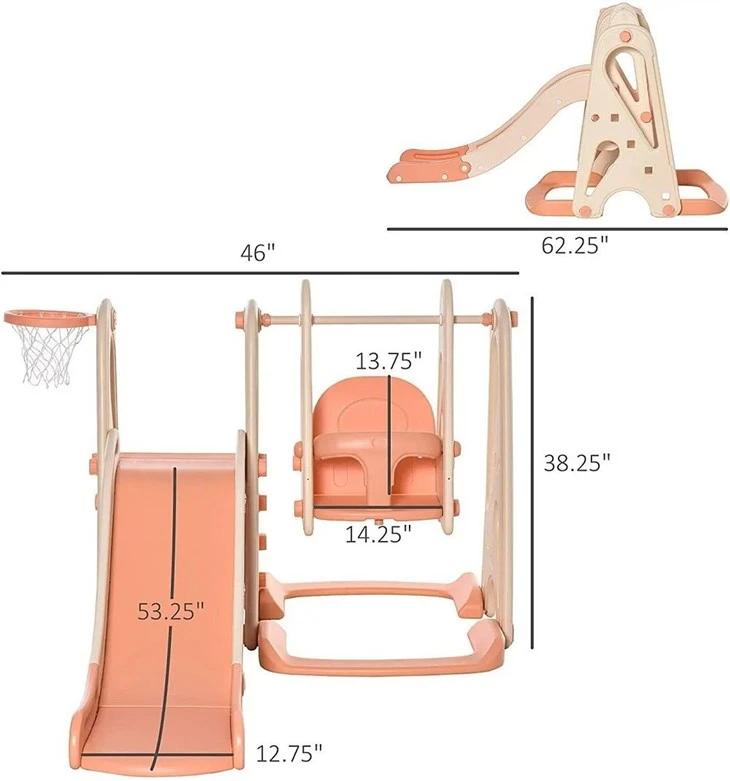
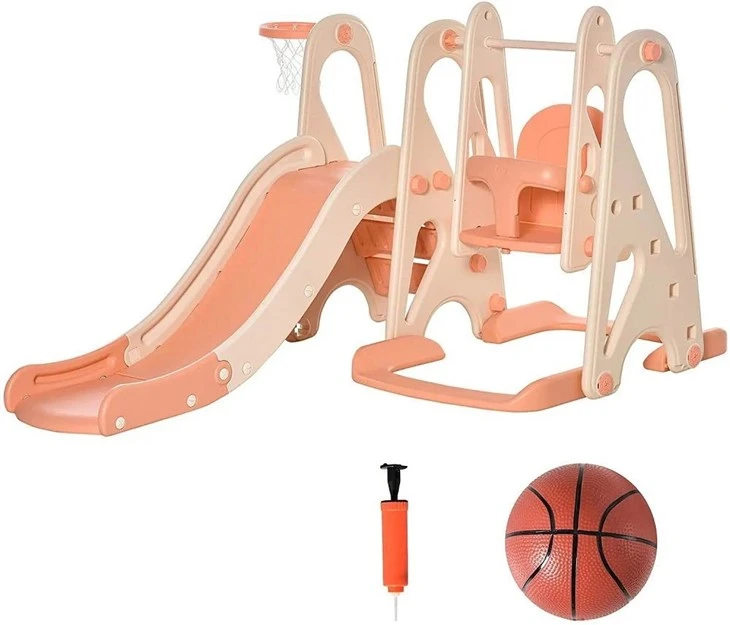
At our company, we are committed to providing high-quality Kids Slides that are not only fun and engaging but also safe and durable. We offer a wide range of Indoor Slides Kids, Toddler Indoor Slide, and Toddlers Slide and Swing Set 4 in 1 that are designed to withstand the wear and tear of daily use and resist rust and corrosion.
If you're interested in learning more about our products or have any questions about rust prevention, please don't hesitate to contact us. We'd be happy to help you choose the perfect slide for your needs and provide you with expert advice on how to keep it in top condition.
References
- "Corrosion Prevention for Metals." American Galvanizers Association.
- "How to Protect Metal from Rust." The Home Depot.
- "Tips for Maintaining Playground Equipment." National Recreation and Park Association.