

What are the features of a mountain bike?
Hey there, fellow bike enthusiasts! As a bike supplier, I've had the privilege of getting up close and personal with all kinds of bikes. Today, I'm super stoked to dive into the world of mountain bikes and share their awesome features with you.
First off, let's talk about the frame. The frame is like the backbone of a mountain bike, and it's designed to handle some serious abuse. Most mountain bike frames are made from materials like aluminum, carbon fiber, or steel. Aluminum frames are lightweight, corrosion - resistant, and relatively affordable. They're a great choice for beginners and riders on a budget. Carbon fiber frames, on the other hand, are super light and offer excellent shock absorption. They're stiffer than aluminum, which means more of your pedaling power gets transferred to the wheels. But they come with a higher price tag. Steel frames are known for their durability and smooth ride. They can take a beating and are often favored by riders who like to customize their bikes.
The suspension system is another key feature of mountain bikes. There are two main types: front suspension (hardtail) and full suspension. A hardtail mountain bike has a suspension fork in the front, which helps to absorb shocks from bumps and rocks on the trail. It's a simple and cost - effective setup that's great for cross - country riding. Full suspension mountain bikes, as the name suggests, have both a front suspension fork and a rear shock. This provides a much smoother ride, especially on rough and technical terrain. You can tackle big drops and fast descents with more confidence because the bike can better adapt to the uneven ground.
Now, let's move on to the wheels and tires. Mountain bike wheels are typically 26 inches, 27.5 inches, or 29 inches in diameter. 26 - inch wheels are the traditional size and are known for their agility and quick handling. They're great for tight trails and technical riding. 27.5 - inch wheels offer a good balance between the agility of 26 - inch wheels and the roll - over ability of 29 - inch wheels. They're becoming increasingly popular among riders of all levels. 29 - inch wheels are larger and can roll over obstacles more easily. They're ideal for cross - country and endurance riding, where speed and efficiency are important.
The tires on a mountain bike are also specially designed. They have a knobby tread pattern that provides excellent traction on dirt, mud, and loose gravel. The width of the tires can vary, with wider tires offering more stability and better grip. For example, fat bikes have extremely wide tires that can be used on snow, sand, and other soft surfaces.

Brakes are crucial for mountain biking, especially when you're going downhill at high speeds. Most mountain bikes come with disc brakes, which are more powerful and reliable than rim brakes. There are two types of disc brakes: mechanical and hydraulic. Mechanical disc brakes are operated by a cable and are generally more affordable. They're easy to maintain and are a good choice for beginners. Hydraulic disc brakes, on the other hand, use fluid to transfer force from the brake lever to the caliper. They offer more precise braking and require less effort to operate, but they're more expensive and can be more difficult to service.
The drivetrain of a mountain bike is what allows you to change gears and adjust your pedaling resistance. It consists of a chain, cassette, derailleurs, and a crankset. Mountain bikes usually have a wide range of gears, which is essential for climbing steep hills and descending at high speeds. The number of gears can vary, with some bikes having as few as 7 speeds and others having up to 12 speeds. A good drivetrain should be smooth - shifting and reliable, so you can focus on enjoying the ride without worrying about gear problems.
When it comes to handlebars, mountain bikes typically have wider bars compared to road bikes. Wider handlebars provide more control and stability, especially when you're riding on rough terrain. You can easily maneuver the bike through tight turns and technical sections. Some handlebars also have a slight rise or sweep, which can help to reduce wrist and shoulder fatigue during long rides.
Seats are another important consideration. A comfortable seat is essential for long - distance riding. Mountain bike seats are usually padded and contoured to fit the rider's body. Some seats also have a cut - out in the middle to relieve pressure on the perineum. You can also adjust the seat height to ensure proper leg extension while pedaling.
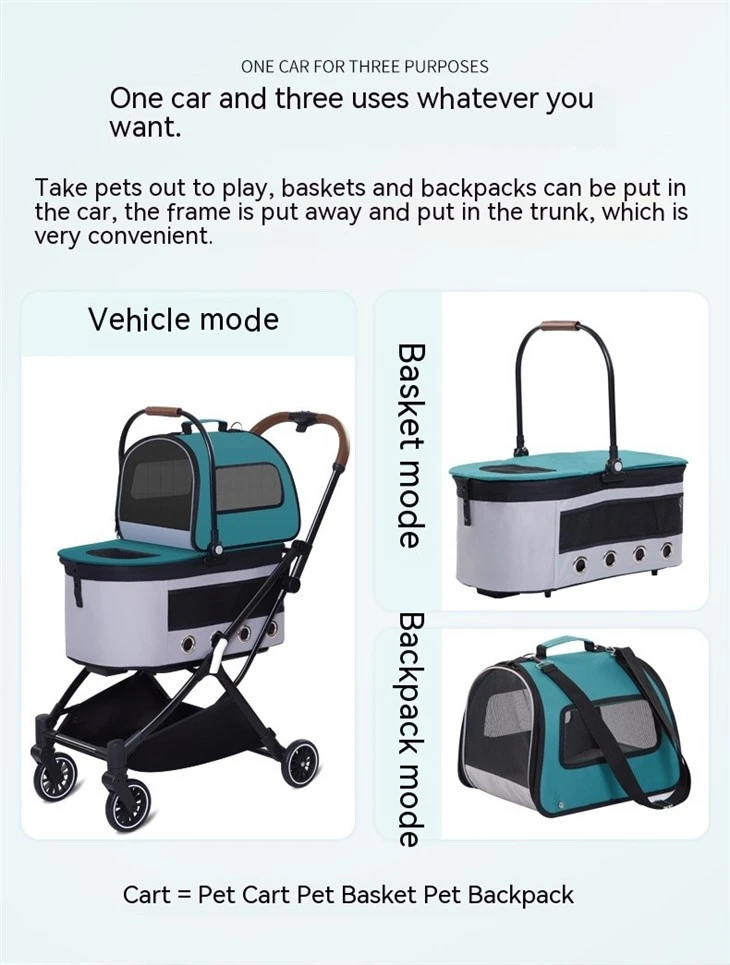
Now, if you're interested in other types of bikes, we also offer some great options. Check out our Folding Pet Stroller for a unique way to bring your furry friend along on your rides. And if you have kids, our Kids Tricycles Bicycle and Baby Bicycle Child Tricycle are perfect for teaching them the joy of cycling.
As a bike supplier, I'm always here to help you find the perfect bike for your needs. Whether you're a beginner looking for your first mountain bike or an experienced rider looking to upgrade, we've got you covered. We offer a wide range of bikes at competitive prices, and our team of experts can provide you with all the advice and support you need.
If you're interested in purchasing bikes in bulk or have any questions about our products, don't hesitate to reach out. We're eager to start a conversation and work with you to meet your bike - buying needs.
References
- "Bicycling Magazine": A well - known cycling publication that provides in - depth reviews and information on different types of bikes.
- "Pinkbike": An online community and resource for mountain biking enthusiasts, with articles on bike technology and features.