

Mountain Bike
Shanxi Daodebao International Import and Export Trading Co., Ltd. is a bicycles manufacturer and trader integrating design, R&D, and sales. We provide efficient, professional, and safe OEM/ODM services. Our products include bikes, tricycles, electric scooters, kids' toys, kids' products, pet supplies, and outdoor products.
Wide Range of Applications
The product is suitable for various purposes such as urban transportation, daily commuting, sports and fitness, off-road cycling, mountain crossing, leisure and entertainment, competitive competitions, tourism and sightseeing.
Broad Market
Our business currently covers more than 80 countries in Europe, America, Asia, the United States, Canada, Russia, India, the United Kingdom, South Korea, Japan, Brazil, etc.
Professional Advanced Equipment
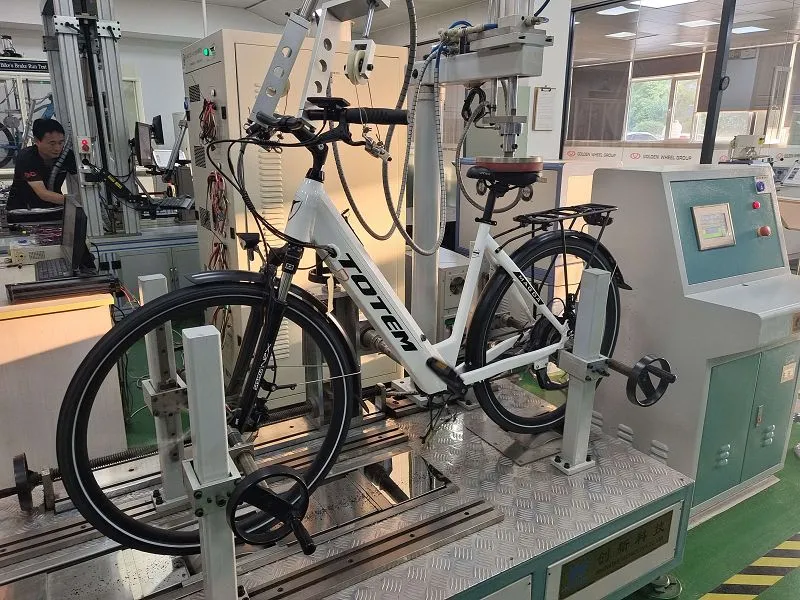
We have the most advanced production lines in the country, precision processing workshops, assembly workshops, and complete testing equipment. We have our own welding frame workshop, waterline paint workshop, automatic weaving spoke workshop, and assembly workshop.
Rich Experience
Shanxi Daodebao International Import and Export Trading Co., Ltd. With 20 years of domestic and export sales experience, we have rich experience and understanding of the industry.
-
Mountain Bike for Adults
It includes advanced components such as a 27.5-inch aluminum frame for lightweight durability, hydraulic locking on the front fork for improved control on diverse terrains, and Shimano gear
-
Adult Mountain Bike
It features an aluminum alloy internal cable routing frame, Kuder semi-aluminum locking front fork, Shimano oil disc brakes, 9-piece positioning flywheel, Shimano shifters and derailleurs, TEC chain,
-
Trail Mountain Bike for Adults
What sets our Trail Mountain Bike for Adults apart is its beautiful overall design, seamlessly blending style and functionality. With a favorable price and factory direct sales, we invite you to
-
Mountain Bike for Man
This mountain bike features an aluminum alloy internal cable routing frame, a Kuder shock absorber with a locking front fork, Shimano TZ500 front and rear derailleurs, Ruipute mechanical disc brakes,
-
Cross Country Mountain Bike
It features a high-performance design with a steel frame, disc brakes, and a shock-absorbing fork for enhanced durability and comfort on rugged terrains. The bike is equipped with wide tires for
-
Best Beginner Mountain Bike
The Best Beginner Mountain Bike, designed for newcomers to off-road adventures, features a reinforced frame, wide tires for exceptional traction, and a front fork suspension for smooth rides. It
-
Youth Mountain Bike
The Youth Mountain Bike is designed for adventure, featuring a reinforced frame, wide and grippy tires for superior traction across diverse terrains, and a front fork suspension system for smooth
-
Best Mtb Bikes
Best MTB bikes feature reinforced aluminum alloy frames, front fork suspension, wide tires for superior traction, designed for challenging terrains and urban commuting. They offer full-body exercise


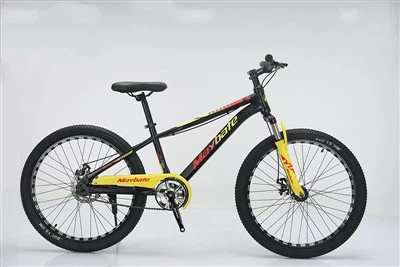

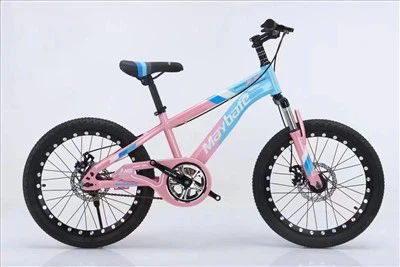
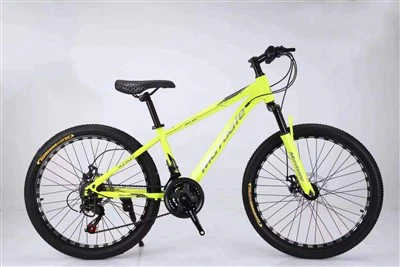
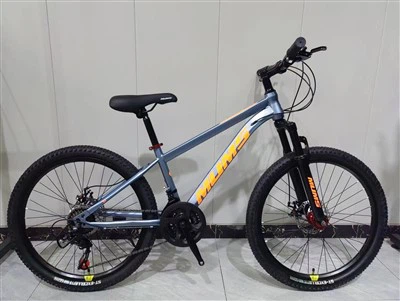


A mountain bike or mountain bicycle is a bicycle designed for off-road cycling. Mountain bikes share some similarities with other bicycles, but incorporate features designed to enhance durability and performance in rough terrain, which makes them heavier, more complex and less efficient on smooth surfaces.
Heart Health
Mountain biking strengthens heart muscles, lowers resting heart rate and reduces the levels of fat in your blood. As you improve and become a more capable mountain biker, the intensity and length of your sessions will increase and with this so will your heart strength and health.
Weight Loss
An easy aerobic exercise to get into, bike riding is known to be one of the best calorie burning activities. According to Harvard Health, 30 minutes on the mountain bike can burn up to 300 calories. This number can go up drastically when you increase the difficulty on the trails.
Whole Body Workout
Mountain biking gives you a chance to workout the muscles across your entire body. As you would expect, the legs are going to get worked pretty hard, but as you tackle obstacles, bumps and turns, your arms and core are being worked also, providing a full body workout.
Disease Prevention
According to the Victorian Government Better Health, cycling can help to protect you from serious diseases such as stroke, heart attack, cancers, depression, diabetes, obesity and arthritis, making it a great activity for long-term health.
Low Impact Sport / Less Stress On Joints
Mountain biking is a low-impact, non load bearing sport. Compared to activities such as running, mountain biking puts less stress on the body. The physical actions in mountain biking also help work and strengthen the body’s joints and ligaments, improving their function, and assisting with repair and injury prevention.
Better Posture
The more you hop on that bike and tackle those trails, the more your core muscles are going to be strengthened. Mountain biking helps build strength, balance and coordination. Along with these improvements you will see your posture improve also.
Better Skin
Bike riding helps reduce the body’s production of cortisol, which is a major influencer on the health of our skin. So the more you cycle, your skin will be less oily, less clogged with pores and there will be a lower risk of skin conditions and acne.
Reduced Stress and Anxiety
Bike riding can be linked to lower incidences of depression, stress and anxiety. This is due to the general mental health benefits of exercise and because bike riding can be such an enjoyable pastime at any level.
Better Quality Sleep
One of the greatest health issues for modern-day adults tends to be a lack of quality sleep. Physical exercise has always been a great contributor to better quality sleep. Getting on the bike more regularly will make it easier to nod off in the evenings and improve the ability to get unbroken high quality sleep, which helps restore the body and soothe the mind.
Release Endorphins / Better Mood
The physical demands of mountain bike riding helps release endorphins, the best type of hormones, which help relieve pain, reduce stress and improve the mood. Exercise boosts serotonin in the brain, which is great for the mood and helps reduce feelings of depression and anxiety.
Brain Power and Concentration
Your speed, the line you are taking, and staying safe requires plenty of focus when on the trail. This means a mountain bike session is just as much a brain workout as it is a physical one. As you get more into mountain biking you will likely find yourself with better focus and concentration when you go about your day to day business.
Mountain Bike Wheel Size
In the not-too-distant past, all mountain bikes were equipped with 26-inch wheels. It is still a popular wheel size for its responsiveness and maneuverability, but now when you walk into a bike shop and inquire about mountain bikes, you are likely to be asked, “26 inch, 27.5 inch or 29 inch?”
Compared to 29ers, bikes with 27.5-inch wheels generally feel more playful, quicker to accelerate and more maneuverable—for example, they're often easier to pilot around a very tight turn. But they still roll fast and maintain good momentum. Smaller riders may prefer 27.5-inch wheels, or they may be the only option in small or extra-small frame sizes.
Bikes that feature bigger 29-inch wheels may feel a little slower to accelerate, but once moving, they generally maintain faster rolling momentum. They're also easier to roll or hop over technical obstacles like rocks and logs. Despite the general reputation of 27.5-inch wheels being more playful and maneuverable, modern frame geometry on 29ers have made the handling differences between the two quite subtle.
Some mountain bikes now come with a 29er in the front and a 27.5 in the rear. This mixed-wheel size setup, also known as a "mullet," offers the better rollover capability of a 29er, with the extra maneuverability of a 27.5. It's still a relatively rare configuration.
The plus symbol indicates extra-wide tires, typically 2.8 to 3 inches in width. These wider tires, also called "plus tires," offer a more comfortable and forgiving ride and better traction than a traditional trail tire (which ranges from 2.2 to 2.6 inches in width). Plus, tires are most often found on hardtails, where they can make up in part for the lack of rear suspension.
Kids' mountain bikes typically have smaller, 24-inch wheels. Generally speaking, these suit kids ages 10 to 13, but this depends more on the size of the child than the age. Younger or smaller children can get started on mountain bikes with 20-inch. wheels.
Common Types of Mountain Bike
Hardtail Versus Full-Suspension
The easiest and fundamental differentiation in mountain biking is between hardtail and full-suspension frames.
A hardtail mountain bike's rear triangle is fixed, allowing no vertical axle or wheel movement. Dual-suspension mountain bikes have swingarm or linkage arrangements, forming part of the rear triangle. This is suspended by a shock, which allows for vertical wheel movement.
Nearly all hardtail mountain bikes have a front suspension fork, but some can be fully rigid, without any suspension. Riders prioritising endurance riding and adventure touring durability might opt for a fully-rigid hardtail mountain bike. Hardtail mountain bikes can fall under cross-country mountain biking, trail and sometimes enduro categories depending on their geometries, componentry and suspension travel.
Cross-Country Mountain Bikes
Cross-country mountain bikes have between 80-120mm of front and/or rear-suspension travel. They are designed to ride very efficiently and climb with the least effort, often featuring remote lock-out switches for the front and rear suspension.
Cross-country mountain bikes often feature slender frames, prioritised for lightweight. Although handlebar size has widened over the years, many cross-country bikes still need some semblance of aerodynamic efficiency, hence the slightly narrower handlebars of 700-720mm.
Riders on cross-country bikes rarely overheat their brakes, hence the presence of small 160mm rotors and four-piston brake callipers. Again, lightweight is the overriding principle for cross-country mountain bikers.
On climbs and flat fire roads, cross-country bikes are the fasting pedalling mountain bikes, owing to a combination of low weight, aggressive gearing, and shallow tread pattern tyres.
Trail Bikes
For many mountain bikers, this is where the 'fun' really starts. Trail bikes generally feature 120-150mm of suspension travel and more downhill-biased geometry than cross-country bikes.
Trail bikes are true all-rounders, unlike cross-country bikes, which are designed with a bias for climbing performance. They feature reasonably efficient suspension platforms for climbing, but not at the cost of descending performance. A trail bike can comfortably and confidently roll into technical terrains, like red or black-graded singletrack.
Contemporary trail bikes can hit jumps, roll sizeable drops and ride reasonably intense descending terrain. The bikes are overengineered and benefit from a lot of design input to balance the requirements for ascending and descending ability. Because trail bikes appeal to such a broad spectrum of uses, bike companies invest a lot of R&D and resources to ensure a competitive market standing.
Enduro Bikes
These are the most capable single-crown forked mountain bikes, featuring 150-170mm of suspension travel.
With very progressive geometry, enduro bikes are what you'll find riders on when attempting the gnarliest of descents. Suspension design is heavily biased toward descending performance, with large volume reservoir air shocks or coil-sprung rear suspension.
Bikes from the enduro mountain biking discipline are fitted with the longest-travel dropper seat posts possible, to allow riders maximum room to manipulate body weight on a descent. Although enduro bikes with correctly set-up shock pressure and adjustment can pedal uphill without too much bobbing, they aren’t terrific climbers and will ride much slower, on flat ground, compared to cross-country or trail bikes.
With the requirement for grip and puncture resistance, enduro mountain bikes roll heavy tyres with reinforced casings, often around 1000-1100g. Many of the best enduro descents are long and steep, with riders often embarking on downhill trails for up to ten minutes of riding time. That requires lots of heat absorption in the brakes, hence the presence of four-piston callipers.
Downhill Bikes
The most extreme frame category in mountain biking. Downhill bikes feature the most travel (200mm+), heaviest suspension components and the least compromised overall design.
When it comes to downhill mountain biking, there is little pretence of pedalling or climbing performance. These bikes are designed purely for riding down the steepest and most technical trails. Even a downhill bike's seat design is extreme, with the saddle shape and position not conducive to resting but for use as a steering aid, with inner-thigh pressure.
Downhill bikes feature such extreme geometry relating to head and seat tube angles, that it becomes difficult to pedal one up even the gentlest gradient.
One of the most telling visual references that distinguish a downhill mountain bike, is its fork, which is triple clamped with a dual-crown, as opposed to the single-crown set-up that all other mountain bikes have. That means a downhill mountain bike can't turn as sharply, due to the presence of those two outer crown assemblies, which knock the headtube when a rider turns with too much angle.
Downcountry Bikes
Downcountry bikes appear to fit into the cross-country segment, because they have 120mm of rear suspension travel, but are designed for aggressive descending and maximum trail feedback.
Well, in terms of bikes, downcountry rigs can out-climb any trail bike with similar suspension numbers, and come close to matching it downhill. Downcountry bikes have more progressive geometry than pure cross-country bikes, and roll tyres with larger tread blocks. They also feature dropper seat posts and slightly wider handlebars as standard.
Wheels
A mountain bike usually has wide knobby tires that offer more substantial grip and traction on a variety of surfaces, including gravel, dirt, rock and sand. Tire pressure on mountain bikes is less than on road bikes, due to their greater volume and the better traction offered by a softer tire. The rims and spokes on mountain bike wheels are stronger and more durable, again to handle the rougher riding that true mountain biking entails.


Frame
Most entry-level mountain bike frames are steel (also called "cro-moly"), due to the strength and durability the material offers and the (relatively) low price of steel. Disadvantages of steel are its weight and that it can be prone to rusting.
As the materials get more advanced, the price increases. Next on the ladder is aluminum, which is light and rust-proof and relatively strong, but not immune to breakage over time when subjected to repeated stress. I'm not a fan of aluminum in mountain bike frames, simply due to the rough nature of riding, which constantly subjects a mountain bike frame to significant stress, particularly when a heavier rider is involved.
Carbon-fiber frames, the next higher level of material, are similar to aluminum in being light, rust-proof and very strong, but also prone to breakage, but when they go it happens suddenly, and usually at the worst possible time.
Top-of-the-line mountain bike frames are made from titanium, which is super light and incredibly strong. In contrast to aluminum and carbon fiber, both of which can eventually fail over time, a titanium frame on a mountain bike will be a great choice for large riders because of its ability to handle larger loads without becoming fatigued. There's always a trade-off, though, and the downside is that titanium is very expensive. Because of its cost, these bikes with titanium frames typically fall beyond the range of all but the most serious or competitive cyclists.
Handlebars
Mountain bike handlebars are typically flat, and go straight out from the stem. With a wider grip, usually about shoulder width, these handlebars allow riders to sit upright and offer a better position for vision and control of the bike on up and down terrain.
Pedals
Basic mountain bikes come equipped with platform pedals. This is useful if you’re the type of rider who frequently puts your feet down. Other more advanced riders may prefer to use toe clips or even clipless pedals that allow the rider to secure his or her cleated shoes to the pedals, but people have different levels of comfort when it comes to being fully attached to a mountain bike given the varieties of terrain encountered and the frequent need to drop ones feet to the ground.


Gears
Mountain bikes have a wide range of gearing to allow them to handle a broad range of terrain. With low gears that go well below that of most road bikes, riders are more easily able to conquer some wicked steep hills. On the high end of the gear range, mountain bikes typically are typically not so tall in the gearing as what you'd find on a road bike. Rarely is there the need for wide-open, blazing speed such as you’d have on a road bike, and the bike’s over-sized, knobby tires are not really conducive for going lightning fast anyway.
Typically a mountain bike will have either two or three chain rings in the front as part of the crank assembly, again smaller than what you’d find on a road bike, along with eight or nine gears in the cassette on the rear wheel, many times featuring one bodiaciously-sized gear called a granny gear to help with the particularly steep climbs. This combination allows for anywhere from 16 to 27 possible gear combinations, a range that accounts for virtually every type of terrain that a mountain bike will encounter.
How Do You Maintain Mountain Bike?
Make sure there are no cracks in the frame or the handlebars, especially if you have carbon. This goes double if you crashed on your ride, because small cracks can have catastrophic consequences. Check your drivetrain, brakes, and other items too. It is better to find out now that a part needs servicing, than right before your next ride.
In general, you don’t need to wash your bike after every ride. In fact, it could be detrimental because you will continually expose your bottom bracket and hubs to water and soap, wearing them down faster. Where you live and ride dictates how often you should wash your bike–and this varies with seasons. If you typically ride in mud or wet conditions, you may need to wash it more often. Otherwise, a gentle wash once a week is sufficient to keep it clean for inspection, testing, and lubrication.
Commonly ignored, it is easy to hang the bike up after squeezing every minute of riding time out of your rig and forget to care for your fork and shocks. Keeping dust and mud off of the stanchions preserves the silky smooth reliability of your fork/shocks, and extends the service interval by keeping mother earth out of the suspension oil. It’s also a good idea to check your recommended air pressure for both the shock and fork every few rides, especially if something feels different or not quite right.
Wipe off or clean your chain and use your lube of choice. If you don’t know what lube is best, ask a local shop based on your local trail conditions. Lubing a chain after a ride lets it sink into the chain and attracts less dust and sand than lubing before a ride. Go slowly and add a tiny drop to each link carefully, then wipe off the excess. Using a lot of lube will only attract dirt and interfere with shifting. You should not have to scrub or deep clean your chain too often–no more than once a month depending on where you ride and how often. If you consistently have a heavy, dirty grease buildup on your chain or cassette, you are probably using too much lube. Using a chain scrubber can also be helpful.
The Considerations for Buying
Get the Right Size
First up, everything else is secondary to the right frame size. But don't rely on stated size – while many companies are switching to small, medium and large instead of increasingly inaccurate numbers, (seat tubes have been shrinking even as frames get longer), there’s no standardised idea of what, for instance, constitutes large. One brand’s large can match another's medium.
Instead, you'll want to ensure that your bike is the right fit for you. Look for (and contrast) the reach (distance from the saddle to the bars) and stack (distance from center of crank to mid-head tube) measurements, and don’t be afraid to go longer than with a road bike. A long front triangle puts the axle further ahead, letting you weight it (for grip) without risking going straight over the bars at the first impact. It also helps with climbing by keeping your front wheel planted.
Just don’t go so long there’s no standover clearance. You only need a couple of centimeters. A short seat tube gives good standover and the greatest room for maneuver, but make sure you can still get full pedalling height without overextending the seatpost.
Choose a Wheel Size
Diameters have settled to an easy, binary choice of 27.5in (650b, aggressive trail and downhill) or 29in (XC and trail). However, wide-rimmed Plus sizes and the recent trend towards 29in downhill wheels are muddying the waters.
While strong, stiff and light(ish) 29ers will undoubtedly become more common in the next few years – along with suitable tires and frames – for now the choice remains largely the same: favor bigger hoops for big miles, or smaller, stronger ones for smashing trails. Plus sizes can really pay off on hardtails, but they’re sensitive to tire pressure and there’s some question over whether they’re really here to stay.
Choose Hardtail or Full-Suss
The rear shock, bearings, linkage and extra manufacturing complication of full suspension all cost money. Consequently, you’re likely to get a better parts spec on a hardtail over a full-suss bike at the same price. You’ll have less maintenance and fewer things to go wrong, too.
On the other hand, full-suss bikes are now more advanced than ever, so their advantages can still outweigh their disadvantages. There’s no need to dismiss either, but forget needing to ‘learn’ on a hardtail before getting ‘a big bike’ – it’s a myth. Really, this one is preference.
Don’t Obsess About Weight
Weight is important, but off-road, strength is marginally more important. Flimsy has no place when random rocks, roots and ruts can grab at you from all angles – steering accuracy, cornering and confidence all suffer, dragging your speed down with it. It’s better to carry a few extra pounds and keep your bike out of the hedge. And out of the workshop, too.
Beware the Flashy Trinkets
Don’t be fooled by a nice rear mech (derailleur): it’s common for these to be up-specced to help sell the bike. A quality mech is important, but so too are the shifters and cranksets – even the chainrings aren’t too far behind. Be aware that lower spec components are heavier, more rudimentary and not worth paying a premium for, so factor in your plan for future upgrades.
Choose Suspension Quality, Not Quantity
Check the reviews of the forks and shocks (on full suss) on the bike you’re looking at, and use the manufacturer’s site to get the exact models. Note that OE (original equipment) units can be a different (often lower) spec than similar-looking aftermarket ones. Quality damping and a decent air spring will do far more for you than any amount of extra travel.
Look for Futureproof Design
Check for current/popular axle diameters and spacing, plus headset, bottom bracket and even seatpost diameters – you’ll struggle to get the increasingly popular dropper post (for changing saddle height on-the-fly) in the smallest diameter, for instance. Internal routing for ‘stealth’ droppers is also desirable, though what internal gear cabling/brake hosing gains in looks it can lose in noise and ease of maintenance.
Keep Some Budget Back
You will benefit from a dedicated trail helmet, with its greater coverage, stronger construction and decent peak. You may also want a backpack, plus glasses for warding off flying crud. Then there are sticky shoes for flat pedals, or mountain bike specific shoes, cleats and clipless pedals.
You may also want new tires to suit your terrain, or simply because OE tires may use harder, cheaper compounds and/or heavier steel beads than their aftermarket namesakes. You may also want to tune your gearing, and almost certainly to customise the shape and size of your cockpit.
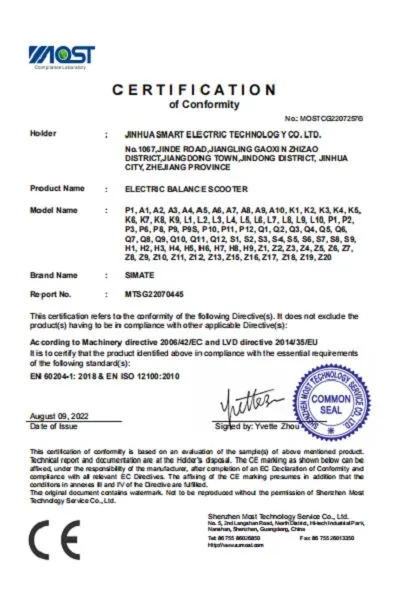
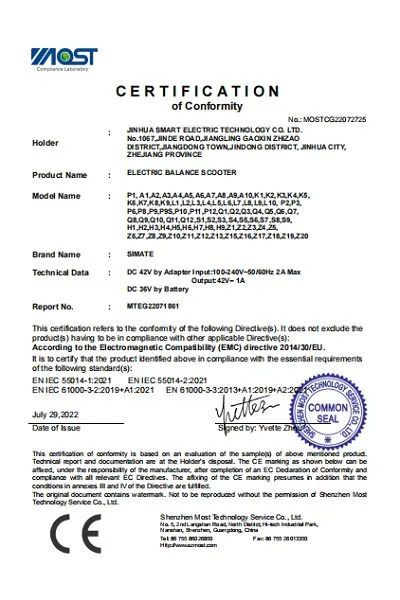
Our Certificate

Our Service
Before Sales
A professional sales team communicates with you to understand your needs and customize corresponding solutions and technologies. We understand market trends to help you better understand product information.
During Sales
During the production process, we ensure the quality of each product, report back to you at any time, and grasp every key step until the product is delivered.
After Sales
The company's products have a warranty period. If you have any questions or concerns, please feel free to contact us and we will reply and resolve them as soon as possible.
Our Factory
Daodebao Co., Ltd. is a mature factory with an area of 20000 square meters. With 500 employees, the company has the most advanced production line, precision machining workshop, assembly workshop, and complete testing equipment, providing customers with quality assurance and thoughtful service.


Contact Us
Email: daodebao666@aliyun.com
Email: daodebao888@aliyun.com
Frequently Asked Questions
Q: What types of mountain bikes are there?
Cross-country cycling (or XC) is the most popular discipline of mountain biking and also the less extreme. It consists on completing a defined round circuit or point-to-point long trail, on a terrain that can range from a single track ―a narrow trail to fit one rider at a time―, to fire roads or even paved roads. There are technical sections defined by either natural or man-made obstacles. The sport requires endurance and very good bike handling skills, but it does not focus too much on speed. The bikes used for cross-country cycling are lightweight.
Downhill biking is a thrilling type of mountain biking, which focuses on descending a trail at a very high speed. Usually, bikers reach a mountain peak by using a car or a lift, and then race down on their bikes. Ski resorts during summer months are an ideal setting for this. When riding downhill, bikers are standing up, so the workout is very much tiring. Downhill bikes have a full suspension, are heavier than cross-country bikes and specially prepared for high-speed descents.
All mountain combines the best of two worlds: cross-country cycling and downhill. It implies riding on a natural terrain full of obstacles, either up a mountain and downhill.
Q: What accessories are needed when riding a Mountain Bike?
Knee pads, elbow pads and riding gloves.
Footwear. Waterproof shoes, with good grips for hiking and comfortable for using the bike’s pedals.
Protective glasses.
Hydration packs are commonly used for mountain biking. Another items you can take include food, an aid supply, sunscreen, maps or GPS, extra clothing and a bike-repair kit.
Q: What are the frame materials of Mountain Bike?
Carbon fiber is common on high-end mountain bikes because of its strength and low weight. It is relatively expensive.
Aluminum frames are less expensive than carbon frames, but they are heavier. The highest-end aluminum frames can be as little as a pound or so heavier than carbon frames. Budget aluminum frames can be significantly heavier. Because lower-end aluminum bikes also tend to come with heavier parts, the total weight of the bike can be significantly greater than a carbon bike.
Other frame materials include steel alloys and titanium. Steel is tough and inexpensive but relatively heavy for a mountain bike. Titanium is light and strong but too expensive for all but highest-end mountain bikes.
Q: What should you consider when buying a Mountain Bike?
What kind of trails do you want to ride? This will help you narrow down the type of mountain bike you may want.
Hardtail or full-suspension? Full-suspension bikes have a suspension fork up front and a rear shock, while a hardtail has only a front suspension fork.
What wheel size do you need? The right diameter wheel size for you largely depends on what you’re looking to get from a mountain bike and the type of terrain you like to ride.
Which frame material? Aluminum and carbon are the most commonly used materials.
How is my mountain bike supposed to fit? Buying a bike that fits correctly is key to achieving your best riding.
Q: What are the main types of mountain bikes?
Cross-country mountain biking: This style of riding typically implies riding fast, with an emphasis on climbing prowess. Bikes tend to focus on light weight and efficiency, which makes them particularly well-suited for longer endurance rides, too. These bikes can be great if you’re considering getting competitive or would like a racier ride for your local trails.
All-mountain/enduro mountain biking: Think of all-mountain/enduro riding as trail riding for those who climb up to ride down. This style of ride features bigger leg-burning climbs, longer white-knuckle descents, and more technical features—both man-made and natural. Bikes for all-mountain/enduro riding are designed to perform well on steep descents while also being light and nimble enough to pedal uphill.
The term enduro comes from the racing world and describes a competition that has timed downhill stages and untimed uphill stages. The winner is whoever has the fastest combined time on the downhills. Enduro riding has become very popular, and the term is now often used interchangeably with all-mountain regardless of whether you’re racing or not.
Downhill/park mountain biking: This type of riding is mostly done at lift-serviced bike parks (often during a ski resort’s warmer months). You ride big, tough bikes and wear full-face helmets and body armor. The bikes boast more durable components and fewer gears, and the suspension has more travel (the amount of movement in the suspension). All of this helps you conquer jumps, berms, rock gardens and wooden ramps. Given that you’re descending the entire time, you don’t have to pedal much, but you still get a serious workout because you’re constantly reacting to the fast-approaching terrain.
Fat-tire biking: Picture the kind of bike you always wanted as a kid: one with giant tires that can roll through just about anything. Fat-tire bikes have tires that are at least 3.7 in. wide (and may be as wide as 5 in. or more). They offer excellent traction through snow and sand. Fat-tire biking is not limited to these conditions—some people also ride these bikes on trails. Fat-tire bikes can be a great choice for beginner mountain bikers because they are very forgiving on rough terrain.
Q: What are the uses of a Mountain Bike?
Q: Why buy a mountain bike?
If you’re likely to be taking your bike out in all weather conditions, then a bike that’s designed to take on the most extreme conditions and terrain provides you additional security and confidence.
Mountain bikes have a comfortable, upright riding position which is a positive for cycle commuters. Regularly riding in a hunched over athletic position can cause aches and pains, which may take away from the joy of cycle commuting.
The mountain bike’s wide range of gears is another big plus. Whilst single speed bikes offer the benefit of being low maintenance; the ability to control your gears can be a massive help for commuters that navigate big inclines on their route.
Generally, mountain bikes also come with disc brakes and tubeless tyres, both of which make a commuter’s life much easier.
Disc brakes are reliable regardless of the weather due to their sealed systems and boosted power that enables the rider to use with just one finger. Disc brakes also last much longer as it’s the rotor that wears, rather than your wheel.
Tubeless tyres are able to withstand puncture hazards on the roads. Filled with sealant, tubeless tyres automatically fill in any punctures. You’d have to do some serious damage to get a flat. Even then, you simply plug the tyre and you’re away again.
Finally, mountain bikes enable you to access routes off road, away from traffic. Bridal ways and tow paths can make for car free, stress-less, enjoyable commuting.
Q: Is a mountain bike right for you?
If you want to ride for fitness and speed, a road bike may be more your style. If you want unabashed brute strength and versatility of routes, a mountain bike is a great option.
Sharing the road with cars can be a big turn off for many people and is often the main thing stopping someone from cycling to work. Charging through fields and open terrain is a great way to start the day and can offer a much more peaceful and enjoyable ride than you might have weaving in and out of traffic.
Mountain bikes are heavier than other bike types and their large, knobbly tyres produce more rolling resistance. You’ll definitely feel that extra weight when using it on the road and the suspension also results in a loss of power.
So, if you’re already quite experienced with road or hybrid bikes, using a mountain bike may result in an unsatisfying change of pace. However, what you lose in speed and power is compensated with comfort, ruggedness and strength - so it is really a question of what you value more.
Tubeless tyres will see off common puncture threats
The upright riding position offers comfort and a clear view of the road
The sturdy frame stands up well to any bumps and knocks
Wide handlebars give you more control
You have the option to incorporate bike trails and off-road routes into your commute
If the characteristics of mountain bikes appeal to you, but you want better pedal performance, speed and a lighter weight, have a look at hybrid bikes - they may be more suited to your style.
Otherwise, there are steps you can take to improve a mountain bike for your cycle commute. For example, you can buy slicker tyres for less rolling resistance on the roads.
Q: What size mountain bike do I need?
Getting a bike that fits you properly is extremely important. Not only will it ensure you're more comfortable on the bike, but you'll also be able to ride the bike to your maximum potential.
Our guide to mountain bike sizing is a good starting point – but remember, geometry and sizing aren’t consistent between brands, so always make sure to check the measurements. Don’t be tempted to compromise on fit.
If it isn’t quite right for you – the top tube’s a little short or you can’t get the seat low enough, for example – it’ll affect your fun far more than a fancy paintjob and a posh suspension fork. Riding the correct-size bike will also help you position your body on technical terrain.
If this is your first new bike in a while, it might surprise you how much longer they’ve got in recent years. This isn’t because we’ve all suddenly got taller, but because designers have figured out that stretched-out bikes with slacker head angles handle better at speed.
Any initial awkwardness you may feel when trying to manoeuvre a bigger bike around will soon disappear (assuming it’s the right size for you) and you’ll wonder how you ever managed on that cramped little bike you had before.
Traditionally, bikes were sized by seat-tube length. This is still an important factor, because you need to make sure you can get the saddle to an efficient height for pedalling, as well as drop it out of the way for descending.
However, the advent of long-travel dropper seatposts has permitted bike designers to reduce seat-tube lengths. As well as giving more freedom of movement, this enables riders to ‘upsize’ to a larger frame if they want more length, or vice versa.
Perhaps the most important metric when it comes to how big a bike will feel to ride is its ‘reach’ – the horizontal distance from the centre of the bottom bracket to the centre of the top of the head tube. This measurement gives a good indication of how stretched out you’ll feel when standing on the pedals.
Q: How to Choose a Mountain Bike?
Compare specs and stats across models.
Determine which size will fit you best.
Pick a build kit and components that fit your goals and budget.
Ride some bikes! Demo models that you’re deciding between.
Choose the mountain bike that lines up best with your budget and riding style.
Q: What are the benefits of riding a Mountain Bike?
Improving Fitness Level
According to a study conducted by Sussex Sport, the British Medical Association found that regular bicycle riding can have a significant impact on reducing the risk of coronary heart disease.
In fact, just cycling for a minimum of 30 kilometers per week can decrease the risk by an impressive 50%. This is because mountain biking engages a wide range of muscles, requiring ample oxygen supply. As a result, the heart is consistently challenged, leading to an improvement in heart fitness by three to seven per cent.
Increasing Brain Power
According to Professor Arthur Kramer from Illinois University, cycling enhances blood flow and oxygen supply to the brain, revitalizing neural receptors and protecting against conditions like Alzheimer’s. Incorporating cycling into your routine can give your brain a powerful boost and long-term cognitive benefits.
The same research indicates that there’s a 5% improvement in cardio-respiratory fitness from cycling which also led to a 15% improvement in mental tests.
Getting a Full Body Workout
Mountain biking provides a comprehensive workout that engages your entire body. This sport utilizes various muscle groups, leading to strengthened legs, thighs, and calves while toning your glutes.
Additionally, climbing and maneuvering turns also contribute to the development of your upper body strength. By incorporating mountain biking into your routine, you can achieve a well-rounded workout that targets multiple muscle groups, helping you build overall strength and endurance.
Boosting Mental Health
Unbeknownst to many, mountain biking offers not only physical but also mental health benefits. Engaging in this exhilarating activity stimulates the body to release endorphins, promoting a sense of well-being and heightened energy levels. Additionally, regular exercise boosts serotonin levels, aiding in the prevention of depression and anxiety.
Riding challenging singletrack trails requires concentration, transforming mountain biking into a form of dynamic meditation that allows riders to find solace and detach from negative thoughts. Additionally, improving your mountain biking skills enhances your confidence and nurtures a positive self-image.
Getting Social Benefits
In addition to its mental health benefits, mountain biking also offers valuable social advantages, as it often involves participating in the activity with a group of like-minded individuals. This creates a wonderful opportunity for bikers to forge new friendships and cultivate meaningful connections.
Sharing the exhilarating experience of mountain biking together not only enhances the enjoyment of the sport but also fosters a sense of camaraderie and support among riders. It’s a fantastic way to expand your social circle and create lasting bonds with fellow biking enthusiasts.
Q: What are the health benefits of riding a mountain bike?
Regular exercise is known to improve cardiovascular fitness. The British Medical Association studied 10,000 people and showed that riding a bicycle for at least 20 miles a week lessened the risk of coronary heart disease by almost 50%. Mountain biking uses large muscle groups that require a lot of oxygen. This makes the heart work steadily, increasing your heart’s fitness by 3-7%.
Less Stress on the Joints
Mountain biking is a low impact sport, meaning it puts less stress on your joints than other aerobic activities such as running. Cycling is also considered a non-load bearing sport, which means that the act of sitting takes pressure off of your joints and reduces the risk of injuring them.
Decreased Risk of Diseases
Regular moderate exercise is known to strengthen your immune system and keep you healthy. Researchers at the University of North Carolina found that people who cycle for 30 minutes, 5 days a week take half as many sick days off work compared to their sedentary counterparts! Another study published in the European Journal of Epidemiology reported that women who exercised regularly, including cycling to work, reduced their incidence of breast cancer.
Reduced Stress and Improved Mood
The vigorous demands of mountain biking stimulate your body to release natural endorphins, which are the body’s way of feeling good and getting more energy. Exercise also boosts serotonin, an important neurotransmitter in the brain which helps to prevent depression and anxiety. The focus and attention needed to ride a challenging single-track can become a form of moving meditation; ultimately helping to relax and weather life’s stressors by acting as a distraction from negative thoughts that may contribute to anxiety and depression. Gaining new skills and improving your mountain biking abilities also helps to build confidence and self-esteem.
Increased Brain Power
Researchers at Illinois University found that a 5% improvement in cardio-respiratory fitness from cycling led to an improvement of up to 15% on mental tests. This is in part due to building brain cells in the hippocampus – the region of the brain responsible for memory.
Creative professionals and executives often use their sharpened brain function during exercise time to come up with ideas and solve problems.
Improved balance and coordination
Unlike plodding on a treadmill or stair stepper, mountain biking is a dynamic activity that requires the rider to constantly adjust to varying terrain, pitch, and elevation. Staying steady and secure on a mountain bike not only keeps you from crashing, but strengthens neural pathways and reinforces muscle memory. Balance and coordination requires the combined resources of the brain, senses, muscles and nervous system. Keeping these systems active as we get older staves off disability from aging and reduces the risk of injury from falls.
Whole Body Workout
It’s no doubt you’ll recognize the defined calf muscles of an avid cyclist, but you may not realize that mountain biking uses the muscles of your whole body. Of course, cycling builds strong legs, thighs and calves and helps you get that nice tight butt. The balance required to stay upright strengthens your abdominal and core muscles. Climbing and maneuvering turns also strengthens your upper body. And as an added bonus, mountain biking doesn’t require an expensive gym membership or a personal trainer to get a good workout.
Sleep Better
You may immediately feel tired and worn out after a ride, but it will ultimately lead to improved regenerative sleep when you need it at night. The exercise of riding decreases cortisol, a hormone that keeps us awake. Being an outdoor activity, mountain biking exposes you to daylight which helps to maintain the body’s natural circadian sleep/wake cycle, not to mention raising your body’s production of vitamin D. Make sure you avoid vigorous rides too late in the day, which can have the opposite effect of releasing stimulating endorphins that can keep you awake.
Q: What Should I Look For In A Mountain Bike?
First, think about the type of riding you’ll be doing most often. If you’re mostly going to be riding on trails, you’ll want a bike that’s designed for that. If you’re mostly going to be riding on roads, you’ll want a bike that’s designed for that. There are also bikes designed for more extreme riding, such as downhill or freeride.
Second, think about the size of the bike. Mountain bikes come in different frame sizes, so it’s important to find one that will fit you well.
Third, think about what kind of features you want on your bike. Do you want suspension? Disc brakes? A certain type of shifter?
Fourth, think about your budget. Mountain bikes can range in price from a few hundred dollars to several thousand.
Keep all of these things in mind when shopping for a mountain bike, and you’ll be sure to find one that’s perfect for you.
Q: How Do I Choose A Mountain Bike?
If you’re mostly sticking to dirt trails, then a cross-country bike might be a good option. However, if you’re planning on doing more technical riding, like hitting up some rock gardens, then you might want to consider a more aggressive trail bike.
Other things to think about include the type of suspension you want (full or front), the wheel size (26″, 27.5″, or 29″), and the frame material (aluminum, carbon fiber, or steel). Ultimately, it’s important to find a bike that fits your riding style and budget.
If you’re just getting into mountain biking, or if you’re on a tight budget, then an aluminum hardtail might be a good option. These bikes are typically more affordable, and they’re also lighter weight, making them easier to maneuver on the trails.
If you’re looking for a bike that can handle more technical terrain, then a full-suspension bike might be a better option. These bikes have suspension on both the front and rear of the bike, providing more traction and comfort on rough trails. However, they are typically more expensive and heavier than hardtails.
Finally, if you’re looking for a bike that’s light and fast, then a carbon fiber bike might be the way to go. Carbon fiber bikes are often used by competitive cyclists because they’re extremely lightweight and stiff, meaning they transfer power efficiently. However, they can also be quite expensive.
Q: What equipment do you need to ride a Mountain Bike?
If you’re going to use clipless pedals, you’re going to need the right shoes. Even if you are just using holster pedals, or even just normal platform pedals, bike shoes can still be worn to give you a better grip on the pedals, and even aid you when carrying the bike across certain parts of the path.
Shorts/Pants
Biking shorts and pants are designed to give you maximum breathability, while also being comfortable. These best bicycle shorts and pants both fit snug against the body, so you don’t get them caught in the drivetrain, or on tree limbs, brush, and whatever else might come your way on the trail.
Helmet
This is the most essential gear item you can have. A helmet is not an option, regardless of what style of biking you are doing. Never ride without one.
Bike and helmet.
Look for a helmet that feel comfortable on your head, and fits snugly and securely. Higher-end helmets will be very light, and offer maximum ventilation to keep your head dry and cool.
Gloves
Biking gloves are another item that can be considered essential. These gloves not only make riding more comfortable, they improve your grip, and provide some extra padding on your palms for shock absorption. Also, if your hands are prone to blisters, gloves can be your best prevention.
Knee Pads
Knee pads are definitely optional, but highly recommended if you are doing any kind of downhill mountain biking, or riding anywhere that has dangerous terrain that may lead to some pretty gnarly crashes.
We're well-known as one of the leading mountain bike manufacturers and suppliers in China. Please feel free to buy high quality mountain bike for sale here from our factory. Good service and competitive price are available.
Lightweight Mountain Bikes, Mountain Bike Men Women, Mature Cyclist Road Bikes