

Electric Bike
Shanxi Daodebao International Import and Export Trading Co., Ltd. is a bicycles manufacturer and trader integrating design, R&D, and sales. We provide efficient, professional, and safe OEM/ODM services. Our products include bikes, tricycles, electric scooters, kids' toys, kids' products, pet supplies, and outdoor products.
Wide Range of Applications
The product is suitable for various purposes such as urban transportation, daily commuting, sports and fitness, off-road cycling, mountain crossing, leisure and entertainment, competitive competitions, tourism and sightseeing.
Broad Market
Our business currently covers more than 80 countries in Europe, America, Asia, the United States, Canada, Russia, India, the United Kingdom, South Korea, Japan, Brazil, etc.
Professional Advanced Equipment
We have the most advanced production lines in the country, precision processing workshops, assembly workshops, and complete testing equipment. We have our own welding frame workshop, waterline paint workshop, automatic weaving spoke workshop, and assembly workshop.
Rich Experience
Shanxi Daodebao International Import and Export Trading Co., Ltd. With 20 years of domestic and export sales experience, we have rich experience and understanding of the industry.
-
Wide Tire Electric Bike
wide tire electric bike, featuring a 21-speed gear system, aluminum alloy frame, 20-inch tires, powered by a 48V lithium battery, disc brake system, a 10.4AH battery capacity, a central motor, and a
-
Eletric Fat Bike
The Electric Fat Bike offers a blend of robust performance and versatility with its powerful motor range of 350W to 1000W, catering to different power needs and supporting speeds suitable for various
-
Aluminum Alloy Full Suspension Electric Bicycle
The Aluminum Alloy Full Suspension Electric Bicycle is a high-performance electric bike designed for both durability and comfort. It features a lightweight aluminum alloy frame, customizable color


An electric bike, or e-bike or pedelec, is a bike with electrical components - it does what it says on the tin. They're typically built just like standard bicycles, but they have electric motor power to help you out with the pedalling. Electric bikes are relatively new and the technology is constantly changing with new innovative ideas to make them more efficient and affordable options for everyone.
What are Advantages of Electric Bike?
Some people may think because the bike is electric and takes less effort to ride that it's not really exercise. People who ride electric bikes experience nearly as much exercise as those who ride mountain bikes without feeling as if they've had a difficult workout. The truth is that even with pedal assist, riders still have to pedal which results in burning calories. It's a great cardiovascular exercise that can help build endurance and muscle.
Pedal assist gives riders a boost. It helps with hills, inclines, and rough terrain, allowing for a smoother ride thus reducing stress on joints. You can also ride with greater power and precision than a regular bike. And it gets people cycling who may not otherwise ride a traditional bike because of physical aches and pains. Additionally, you can take longer rides without physical exhaustion.
E-bikes make cycling more accessible and people are more likely to do it because it's easier, getting about the same workout with less the effort. For those who may be living an otherwise sedentary life, riding an e-bike gets them moving and in nature. This exercise, change in scenery, and fresh air helps improve mood, reduces stress, provides for a more restful sleep, and increases productivity.
E-bikes are great for commuting to work a few miles away and for running quick errands. Because it's classified as a bike, in many cities, you can ride on sidewalks and in bike lanes, and cut across parks. With alternative ways to travel to your destination, your commute can be faster than a car stuck in traffic. When people ride their e-bike instead of driving, they cut down on gas and pollution, helping to improve air quality and the environment.
Most cyclists travel 10 to 12mph, but an e-bike can average 20mph. E-bikes allow you to get to your destination faster than a regular bike. E-bikes are not more dangerous than regular bikes. They just have different risks. E-bikes tend to be safer than regular bikes because you can accelerate to get out of the way faster, and travel at higher speeds, keeping up with traffic.
Common Types of Electric Bike
Class 1
Maximum speed, 20 m.p.h.; the motor may provide power only while the rider is pedaling. (This is known as “pedal assist.”) Age restrictions: None in most states, although some states, such as Oregon, do not permit the use of any class of e-bike by riders younger than 16.
Class 2
Maximum speed, 20 m.p.h.; the motor may provide power independently of the pedals. Age restrictions: none in most states. (These e-bikes in particular attract criticism because, by relying solely on the motor, they can achieve immediate bursts of speed.)
Class 3
Maximum speed, 28 m.p.h. — but only if the pedals and the motor are used simultaneously. These vehicles are intended for commuters and other riders who are interested in traveling farther than a traditional bicycle would easily allow. Use not permitted by riders younger than 16, in many states.
Bike Frame
Just like a traditional bike, e-bikes all start out with a base bike frame with similar features and functions as their non-powered partners. E-bike frames are typically designed slightly differently from non-electric frames to optimize battery and motor placement.
Motor
The motor of your electric bike is what houses the moving parts that give you a boost of assistance when you pedal. Just like a car engine, some e-bike motors can be more powerful, lighter weight, or more efficient than others. While many brands offer e-bike motors, there are just two popular styles of motors on most e-bikes – mid-drive or hub-drive.
Mid-drive
Mid-drive motors are located in the middle of the bike, at the center of where you pedal. They are available in a range of different power capacities and provide a stable center of gravity and smooth support that feels more natural when pedaling.
Hub-drive
Hub-drive motors are encased inside the hub of the rear wheel, near the bicycle’s back gears. They are generally more affordable and lightweight than mid-drive motors, making it easier to find one to fit your budget, so all you have to do is hop on and go.
Battery
Every e-bike motor is powered by a battery. However, batteries vary greatly in size, shape, location, and wattage. How many watt-hours a battery holds directly impacts how fast and how far you can ride assisted.
Controller
The controller is your interface with the e-bike system. It features buttons that allow you to power on and off your system, change your assistance mode, or toggle through the screen of your e-bike display. Depending on the e-bike system, you may have more control features, like a battery indicator, light control, extra metrics like ride data, or an integrated display.
Display
Your display is like the dashboard of your e-bike. It’s standard for the display to show your battery life and currently selected mode, but many offer additional features, like speedometer, ride metrics, activity tracking, and route mapping. Your display may be integrated with your controller, be its own separate unit, or you may even use your smartphone as a display.
How Do You Maintain Electric Bike?
Set Up a Regular Maintenance Schedule
Whether you do it yourself or take your e-bike into a bike shop, tune your bike yearly (before riding season), or more often if you riding frequently.
01
Top Off Battery Charge Whenever You Have the Chance
And conserve power as you ride, because pedaling an e-bike with a dead battery is best left to superhero types.
02
Keep Tires Properly Inflated
An e-bike needs good footing underneath. Also, be sure you can fix a flat if needed.
03
Check Brakes Regularly
You want your e-bike’s stopping power to be a match for its pedal-assist power.
04
Regularly Clean, Lube and Inspect Your Chain
E-bikes ask a lot of this vital link in the drivetrain system.
05
When Washing An E-Bike, Pay Attention to the Electrical Components
Turn off the E-bike before washing.
Ensure the E-bike battery is locked in place.
Make sure the cap over the charger port is secured.
Do Not Wash Your E-Bike Upside Down
The motor and battery are made to drain water while the bike is rolling. Flipping the bike upside down to wash it can cause water to pool in the motor and battery, causing damage.
Do Not Use a Power Washer or High Water Pressure
The motor, battery, handlebar-mounted control, and display are water-resistant, but spraying these parts directly with high water pressure could cause damage. Similarly, you want to avoid spraying high-pressure water directly to any bearings and suspension.
Avoid Using Any Strong Chemical Cleaners
It’s best to use a bike-specific wash, as harsh chemicals could damage plastic parts (like the covers on your motor, battery, and the control unit).
Always Dry Your E-Bike Fully Before Storing It
Residual water left sitting on electrical components could cause damage. Bounce the bike a few times on the ground to shake off excess water. Using a microfiber towel or other highly-absorbent cloth, wipe down the bicycle with special attention to bolts and electrical connections. After washing and drying your E-bike, remove the battery and ensure all connection ports are dry with a clean, dry microfiber towel.
Never Store Your E-Bike Outdoors
Leaving your E-bike where it is exposed to the elements for prolonged periods could cause damage. Storing an E-bike in a damp garage or basement could also interfere with it drying completely. If you live in a wet/humid environment, consider storing your E-bike in a climate-controlled setting.
Higher Watt Motor
This means more torque or take-off potential from a standing start. All will be set from 200 to 250W for legal reasons, but a 350W motor limited to 250W will give greater torque than a 250W motor.
Throttle
While generally electric bikes require you to pedal in order to activate the motor, some come with a throttle which can start the motor without pedalling. The throttle can legally power your bike up to 6km/hr, so it can be useful if you need help taking off from a standing start - especially up a hill. However, using the throttle will drain your battery faster.
Weight
Electric bikes are heavy – some are over 30kg because of that battery. Remember to take this into account if you might need to lift it, for example to carry up stairs or mount on a roof rack. Ring, or visit, the retailer you are purchasing from to find out the final weight after all the additions of batteries, lights, panniers, etc.
Tyres
Puncture-resistant tyres will save you from having to change as many flats – a particular hassle if you have a rear hub motor or if you struggle with the weight of the bike.


Brakes
Look for hydraulic disc brakes, they'll be more expensive but require less maintenance than mechanical disc brakes or V brakes.
Accessories
A helmet is a legal requirement when riding a bicycle of any kind. Lights, hi-visibility clothing, locks, a pump, mudguards, a chain guard, racks and panniers are extras worth considering, although remember they all add weight.
Servicing
Servicing your e-bike yourself is completely doable, but if you don't have the time or expertise, budget for around $150 every year for servicing if you want your hub, brakes, chain, cassette and gears to last and prepare to add to that for any parts needed. The cheaper your purchase, the more likely you're going to need to add a lot of spare parts in the near future.
Our Certificate

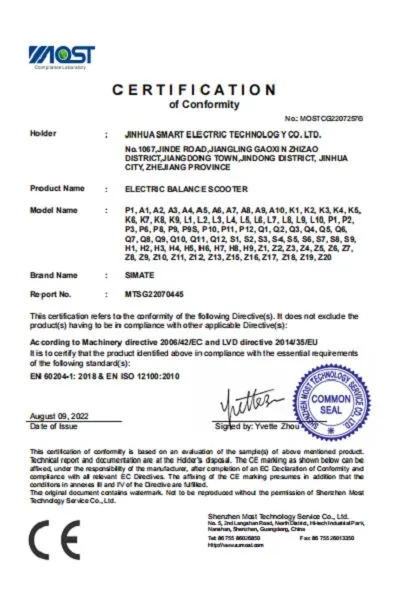
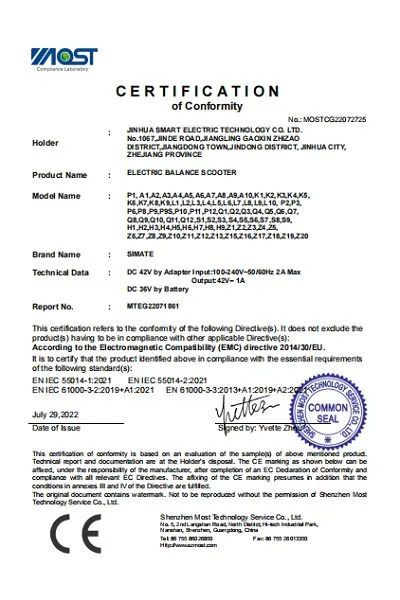
Our Service
Before Sales
A professional sales team communicates with you to understand your needs and customize corresponding solutions and technologies. We understand market trends to help you better understand product information.
During Sales
During the production process, we ensure the quality of each product, report back to you at any time, and grasp every key step until the product is delivered.
After Sales
The company's products have a warranty period. If you have any questions or concerns, please feel free to contact us and we will reply and resolve them as soon as possible.
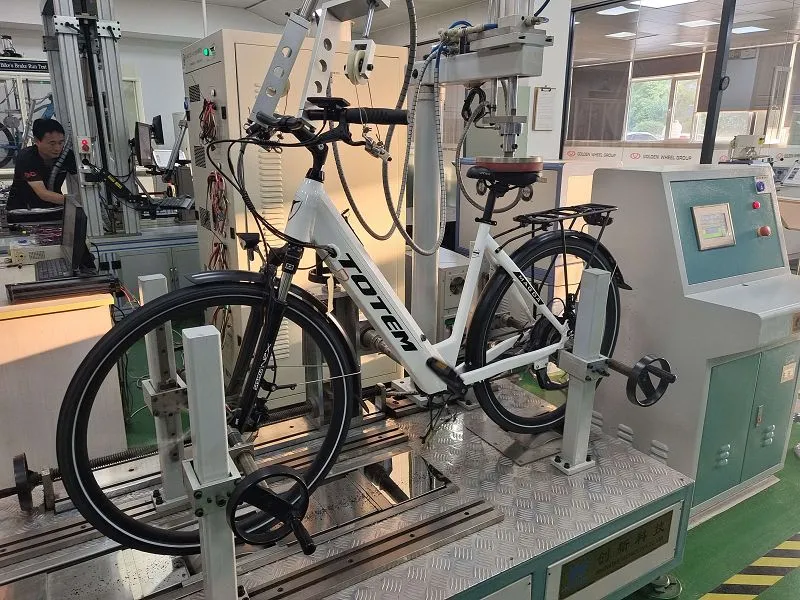
Our Factory
Daodebao Co., Ltd. is a mature factory with an area of 20000 square meters. With 500 employees, the company has the most advanced production line, precision machining workshop, assembly workshop, and complete testing equipment, providing customers with quality assurance and thoughtful service.


Contact Us
Email: daodebao666@aliyun.com
Email: daodebao888@aliyun.com
Frequently Asked Questions
Q: How does an electric bike work?
Whereas a hub-based motor will push the wheel around directly, an axle-mounted motor will work through the ebike’s chain and gears.
When you pedal, a torque sensor will measure how much effort you are putting in and match that to the motor’s power output.
The idea is that the motor won’t completely take over; instead, you should get consistent power delivery that won’t send the bike lurching forward.
Therefore, one of many benefits of riding an electric bike is you still have to press on the pedals and get exercise. Riding an electric bike for fitness is eminently possible.
Power comes from the battery, which might be mounted on the outside of the frame or hidden within it.
Many batteries can be removed for charging, although others need to be charged on the bike. If that’s the case, you need to have somewhere to park the bike near a power socket.
There will be a controller for the motor, usually mounted on the handlebar or integrated within the frame, that lets you decide how much assistance you want, and to keep an eye on the battery level. Some will include a screen with navigation and other functions too.
Q: How do you regulate motor power?
These can give you anything from a gentle push to lots of power for tackling steep off-road climbs, depending on the specifications of the bike’s motor.
Some will also have a ‘boost’ button, which you can use to increase the power output for short bursts of additional power.
Many bikes also offer a walk-assist mode, to make it easier to push when you're off the bike.
You can change between assistance levels as you ride and there's usually the option to switch the motor off completely and ride under pedal power alone.
Many ebike motors are designed to be drag-free when switched off, but there is still the additional weight to overcome.
Q: How much weight does an ebike motor and battery add?
The lightest systems come in at less than 4kg and are typically found on electric road bikes, but most systems weigh around 6 to 8kg – and sometimes more.
The additional mounting points and frame reinforcement required on an electric bike can add some extra weight, too.
The weight of your system will depend partly on budget, but also the intended use of the bike.
Bikes that require lots of power, for example, an electric cargo bike or e-MTB, are more likely to have a heavier motor and battery package.
An electric road bike requires less assistance and will prioritise lighter weight.
The latest e-road bikes are near-indistinguishable from non-motorised bikes, thanks to the sleek, integrated design of the motor and battery.
The extra weight associated with electric bikes is worth bearing in mind if you need to lift or carry your machine anywhere.
If that's the case, consider how much extra weight you can comfortably handle.
However, for day-to-day riding, the benefits of having a motor should trump any extra weight, particularly when it comes to climbing… unless you run out of battery.
Q: How do you ride an electric bike?
You switch on the motor, select the assistance level you want using the controller, and then pedal. The motor will make initial acceleration much easier and then help you keep up to speed, particularly when you need to climb a hill.
However, because of the extra weight from the motor and battery, an electric bike may handle a bit more sluggishly than a non-assisted bike.
It may also have wider tyres to carry the extra weight and provide more grip, and it will usually have disc brakes because there’s more mass to slow down and stop.
Q: What range will an electric bike have?
You’ll usually get a battery-level indicator, while some control systems will give you an estimated range as you ride or regulate the power output to let you achieve your planned ride distance.
Some ebikes let you plug in a second battery, which might fit in a bottle cage, to up range. You can also lower the assistance level during a ride to help conserve the battery and extend the bike's range.
While many brands will offer an estimated range for a particular model of bike, and it is possible to gauge a bike’s theoretical range based on its motor power and battery capacity, ultimately it depends on the level of assistance you’re using and the terrain.
Fully recharging the battery from the mains can take anything from around three hours up to nine hours, or more depending on the model, charger and battery capacity.
Q: What types of electric bike are there?
The most common types of electric bikes are hybrids and mountain bikes.
The best electric hybrid bikes have flat bars and chunky, puncture-resistant tyres, useful for biking to work, shopping and more leisurely rides.
They may also have mudguards (or the eyelets to add full-length mudguards), a rack and lights, and sometimes have a step-through frame design to make it easier to hop on and off the bike.
Electric mountain bikes normally have a beefy motor with a high torque output to help you get up loose off-road climbs and over obstacles. Once you get to the top, the motor can be turned off to enjoy the downhill ride.
There's also a growing number of electric road bikes. With drop handlebars, they’re designed to ride fast and are usually relatively lightweight (as far as electric bikes go), to help with handling and hill climbing.
There's an increasing number of electric gravel bikes, too. With wider tyres to enable you to ride off-road with confidence and drop handlebars for road speed, e-gravel bikes are designed to offer the versatility to really broaden your riding.
The best electric folding bikes will be designed for versatility and compact size. They can be folded up to take on public transport or for easier storage at home/work, so they could be the best bike for commuting for many people.
There are also electric cargo bikes, designed to carry loads for deliveries around town and other day-to-day tasks where they can replace a car or van.
Whichever electric bike you choose, we suggest you read our guides to electric bike insurance and electric bike maintenance to look after what's likely to be a sizeable investment.
In short, if you want a helping hand on your ride, you can find an electric bike to suit your needs.
Q: Can you convert a bike into an ebike?
These kits are often a more affordable way to electrify your riding, compared to buying a whole new electric bike.
Electric bike conversion kits will include a motor as well as a battery to power it. They will also have controls so you adjust the power output on the motor. The controls often mount to the handlebar of a bike.
Conversion kits tend to come with sensors to detect speed and the level of power input required to ensure the motor matches your needs.
Q: How do I operate the bike?
Pedal Only
At any time, you can pedal an electric bicycle just as you would with a regular one. There is no extra resistance created by the motor, so it will feel exactly as a regular bicycle would. Depending on the model you purchase, your bicycle will come either with a 3 gears or 8 gears or a special NuVinci® N360™ internal drivetrain that provides you with unlimited gears.
Pedal-Assist (sometimes called Electric-Assist)
In this mode, you can take advantage of combined human plus electric power. Once you turn on this mode via the on/off button on the handlebars, the motor will gently provide electric power as you pedal. You can still switch gears as the terrain changes to take advantage of more torque or faster speed. It’s an amazing feeling to use pedal-assist mode, as it makes cycling effortless, flattens out the hills, and frees you to just enjoy yourself and the scenery.
Pedal-assist mode provides three levels of assistance: Low (30%), Medium (60%) and High (100%). The percentage simply indicates how much additional power the motor will provide to complement your pedaling. The low setting adds an additional 30% of power to your pedaling, while High essentially doubles it. A simple press of a button switches you through the different levels.
Electric-Only
This mode of operation allows you to sit back and take a break, as you let the motor do the work. To use “electric only” mode, simply twist the throttle located on the left handlebar and you’ll feel the motor kick in and propel you forward. Keep the throttle turned to continue along or let go if you’re ready to start pedaling or wish to come to a stop. Please note that due to Federal regulations, the top speed in electric-only mode is limited to 20 miles per hour.
Q: HOW CAN I OPTIMISE THE RANGE OF MY ELECTRIC BIKE?
Cadence: Slow pedalling is costly in terms of energy, whereas keeping your cadence above 50 revolutions per minute can optimise your drive unit.
Weight: Carrying less luggage with you will keep the total weight of the bike down and keep your e-bike running for longer.
Starting & braking: Just like a car, when riding an e-bike it's more effective to travel a longer distance with a constant similar speed, versus stopping and starting.
Gear shifting: Staying in the correct gear will ensure the bike is more efficient.
Tyre pressure: Always inflate tyres to the maximum permissible tyre pressure for the smoothest and most efficient ride.
Q: HOW DO YOU RIDE AN ELECTRIC BIKE?
Our advice is to start slow and get to know the feel, handling and weight of your electric bike when you first start riding. Get used to using the electric assist, and before you know it you’ll be conquering hill climbs like they’re nothing and powering away from traffic lights with ease!
Q: HOW LONG DO E-BIKE HUB MOTORS LAST?
Q: Why would you choose an e-bike?
E-bikes are are also in a very privileged position legally speaking, as under the relevant European law (now applying in the UK – technically speaking ‘harmonised’ with UK law) they are in exactly the same legal position as non-powered bikes, so they bring all the well-known advantages of bikes but without any of the red tape normally associated with motor power.
As well as the obvious benefits of a motor – helping you get up the hills more easily and with less sweat – there are several other benefits that might not at first occur to you.
If you have a recurrent injury or illness e-bikes may help you keep cycling through it, rather than having to give up pedalling completely.
E-bikes fill the gap between journeys short enough for walking or non-powered cycling and longer trips where a train or car may be necessary.
You could get to and from work faster on an e-cycle and convert commuting into leisure time.
They can be a viable replacement for a second car with all the environmental, financial and other benefits that this entails.
E-bike riders often say they feel safer in traffic than when riding a non-powered bike, as the extra acceleration and speed up hills mean the speed of other passing vehicles is less than it otherwise would be. The quick acceleration off the mark also means you can clear stationary traffic more quickly.
You can carry heavier loads more easily than with a regular bike, so many shopping trips and the school run might now be a possibility with an e-bike.
You still get exercise – e-cycling is not cheating! Many studies have shown that e-bikers get plenty of very beneficial aerobic exercise. The vast majority of e-bikes have power level settings on the handlebar controls that let you dial down the power if you want more exercise, or turn it up if in need of more assistance. Some even have a display linkable by Bluetooth to a heart rate monitor, to display your heart rate and calories burned.
Q: How Does Voltage Impact an Electric Bike's Operation?
Higher voltage batteries operate more efficiently, which explains why they can boost your bike's performance. These higher voltage batteries need less current while supplying the same amount of power as lower-voltage batteries. Since they need to work less, they have greater efficiency and a much longer battery range.
Higher voltage batteries will help your bike get the extra push it needs to climb hills or move more massive people or cargo. It does this by getting the electricity from the battery to the motor faster compared to lower voltage batteries.
Q: Why Do Amp-Hours Matter for E-Bikes?
Because amp-hours act like a gas tank, amps as gas and volts as gas flow, these parameters help you to see how long a charge will last at maximum capacity, which gives you watt-hours. Without knowing amps or amp-hours for your bicycle's battery, you would find comparing models complicated. Amps also help you to find the best charger for your ride.
You will see amps listed with the battery and the charger. Higher amps on the charger will recharge your bike much faster. The amps listed for the charger indicate how many amps the charger will move per hour into the battery.
For example, a standard two-amp charger adds two amps of power back to the battery each hour. It would take 5.2 hours to recharge a 13 amp battery from 10% to 90%. If you replaced the standard charger for an ultra-fast model that moves seven amps per hour, the charging time drops to 1.5 hours.
Q: How many categories can Electric Bike be divided into?
A bicycle equipped with a motor that provides assistance only when the rider is pedaling, and that ceases to provide assistance when the bicycle reaches 20 mph.
Class 2 e-bikes
A bicycle equipped with a motor that may be used exclusively to propel the bicycle, and that is not capable of providing assistance when the bicycle reaches 20 mph.
Class 3 e-bikes
A bicycle equipped with a motor that provides assistance only when the rider is pedaling, and that ceases to provide assistance when the bicycle reaches 28 mph.
We're well-known as one of the leading electric bike manufacturers and suppliers in China. Please feel free to buy high quality electric bike for sale here from our factory. Good service and competitive price are available.
7-Speed Folding E-Bikes for Adults, portable electric bike, Fat-Tire E-Mountain Bikes